
The Secret Power of Controversy: Why It Keeps Us Hooked
Controversy sells, but so do open-loop titles.
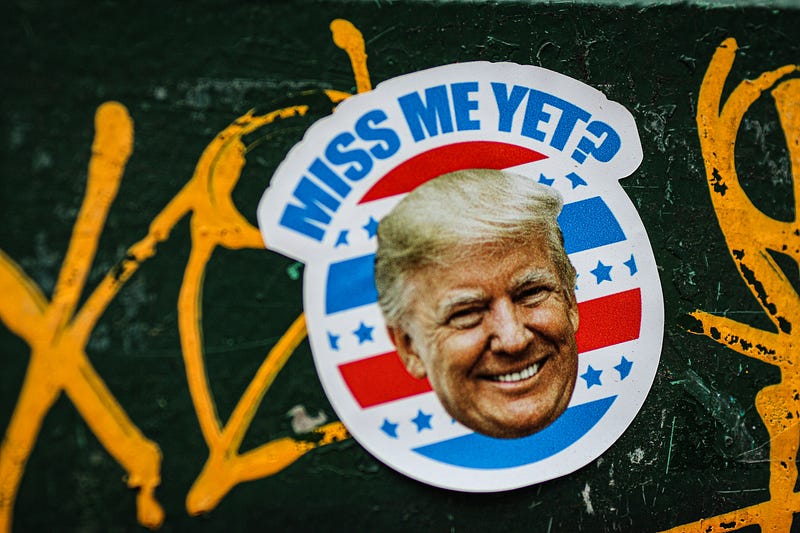
Controversial figures like Jake and Logan Paul, Connor Mcgregor, Miley Cirus, Donald Trump, Kanye West, and Kim Kardashian all profit from controversy. Controversy bestows free news coverage and rallies people for or against their statement, and people eat it up. Algorithms target controversial posts due to audience engagement. News stations cover things people will tune into.
Like it or not, simply engaging in controversial topics benefits the people at the base of the controversy.
When Democrats moan about Donald Trump, they are simply providing him with more free coverage. When Republicans moan about who they hate, it often has the same effect.
I’d even go so far as to surmise that ignoring the controversial figure is a better argument against them.
Controversy can play a significant role in winning elections for several reasons:
- Media Attention: Controversial candidates or issues tend to receive extensive media coverage. This coverage keeps the candidate or issue in the public eye, making them more visible and memorable to voters.
- Emotional Engagement: Controversy often stirs strong emotions, which can lead to heightened voter engagement. People are more likely to turn out to vote when they feel strongly about a controversial topic or candidate.
- Polarization: Controversial issues can polarize voters, mobilizing both supporters and opponents. This can work in favor of a candidate who aligns with the views of the polarized majority.
- Differentiation: In crowded political fields, controversy can help a candidate stand out from the competition. It provides a unique selling point and may attract voters who are disillusioned with more mainstream candidates.
- Visibility and Name Recognition: Controversy can make a candidate’s name well-known, even if people disagree with them. This name recognition can be critical in crowded primaries or general elections.
- Tapping into Frustration: Controversial candidates often tap into voter frustration with the status quo or the establishment. This can be a powerful tool for gaining support.
- Viral Potential: Controversial statements or actions are more likely to go viral on social media, reaching a broader audience and engaging younger, tech-savvy voters.
- Simplicity: Controversial messages or policies can be simplified and communicated more easily, making them accessible to a broader range of voters.
We eat up controversy like hotcakes. I know I gain writing inspiration from things I can find appalling or be outraged by. However, when we eat up the controversy of singular individuals such as presidential candidates, actors, MMA fighters, or YouTubers, we are eating these hotcakes out of the palms of their hands.
They give us something to talk about or complain about.
Take Jake Paul for instance:
While many traditional boxing purists criticized Jake Paul’s entry into the sport, there’s no denying that he used controversy and his online fame to generate interest and attention in the world of professional boxing. His success in doing so has led to continued discussions about the intersection of online celebrity culture and the world of combat sports.
Jake Paul drew attention to combat sports through acting, controversy, and his fan base. He would sell out seats to his fights and make millions more than any other professional boxer because he was entertaining. There was controversy behind a super famous YouTuber getting into combat sports and calling out pro fighters.
Don’t even get me started on Elon Musk:
Me starting with Elon Musk: Elon Musk even got in on the controversy for a while by challenging Mark Zuckerberg. He had no intention of fighting the Zuckster, but he had world-renowned fighters rallying behind the two ultra-rich billionaires. He is probably the all-time champion of fame through controversy, such as his Dogecoin memes that manipulated the cryptocurrency markets.
This is not always the case, such as in criminally notorious individuals such as Edward Snowden, Martin Shkreli, or Dread Pirate Roberts (Ross Ulbricht).
- Edward Snowden is a former American intelligence contractor who is known for leaking classified information from the National Security Agency (NSA) in 2013. The information he revealed exposed extensive global surveillance programs conducted by the NSA and its international partners.
- Martin Shkreli is a former pharmaceutical executive who gained notoriety for raising the price of the life-saving drug Daraprim. In August 2017, Martin Shkreli was found guilty of multiple counts of securities fraud and wire fraud. He was subsequently sentenced to seven years in federal prison in March 2018. His legal troubles were unrelated to the controversial drug pricing practices that initially brought him widespread public attention.
- Ross Ulbricht, a man who was convicted in 2015, was found to be the person behind the Dread Pirate Roberts persona on the Silk Road. He was arrested in 2013 and subsequently convicted on multiple charges, including conspiracy to commit money laundering, computer hacking, and conspiracy to traffic narcotics. Ulbricht was sentenced to life in prison without the possibility of parole for his role in operating the Silk Road.
These infamous characters do not receive presidential clemency, as they were criminals, rather than politicians hiding behind the shroud of politics.
Martin Shkreli likely would have flown under the radar had he not been such a horrible narcissist committing such obvious but legal crimes against humanity. The government got him on separate charges unrelated to depriving the public of life-saving medication. Much like police do when they catch a known criminal but do not have evidence for the crime they suspect them of.
I intentionally saved this bit for the end.
In the context of writing and communication, an “open loop” is a technique or literary device used to create curiosity or suspense in the reader. It involves introducing a narrative element, question, or unresolved situation at the beginning of a piece of writing and leaving it unanswered or partially addressed. This encourages the reader to continue reading to find out what happens or to receive an explanation for the introduced element.


