
The Scrum Master Should Not Facilitate Your Daily Stand-Up
At least, they shouldn’t every time — and stay tuned for some valuable Top Tips later!
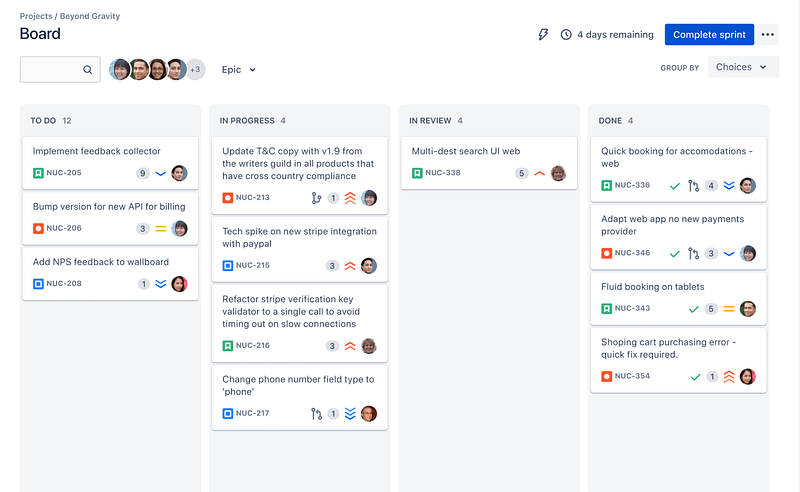
Ever been curious about daily stand-up meetings in teams? It’s not just about boring updates; it’s a chance for teams to chat and make sure everything’s going smoothly. But here’s the fun part: lots of people think the Scrum Master, has to be in charge. But I say, “that’s false!”.
What is the stand-up meeting?
The Scrum daily stand-up is a short, daily meeting where team members update each other on their progress and discuss any obstacles they’re facing.
The purpose of this daily meeting is not to give status updates. Instead, it allows the development team to check that they are making progress toward the sprint goal. They can then make any needed changes to the product or process to stay on track.
Format of a daily stand-up
Traditionally, the facilitator asks 3 questions to each team member:
- What did I do yesterday?
- What will I work on today?
- Are there any impediments in my way?
Curious about how this ceremony works in practice? With over 5 years of experience running stand-ups, I’m excited to dive into the practical aspects. If you’re eager for a detailed article, let me know in the comments — I’d love to share more about how we run this ceremony with my team!
Who facilitates the daily stand-up?
Contrary to what a lot of people think, the Scrum Master is NOT the one meant to run the stand-up. This is a popular misbelief!
I have seen this so many times in my previous jobs: the scrum master gathered everyone in a room, opened the board and asked everyone the 3 standard questions (mentioned above).
However, this is actually incorrect! According to the official Scrum recommendation:
The Scrum Master ensures that the meeting happens, but the Developers are responsible for conducting the Daily Scrum.
If the Product Owner or Scrum Master are actively working on items in the Sprint Backlog, they participate as Developers. This means the whole team can run the stand-up. Having different team members facilitate the standup can bring fresh energy and perspectives to the meeting. In doing so, each team member brings their unique perspective, insights, and energy to the stand-up.
The scrum master needs to make sure the team members don’t go off track and focus on the sprint goals. The Daily Scrum is not a status meeting. Its main purpose is to make sure the team progresses toward the sprint goals and raise the blockers.
Who runs the Stand-Up in my team?
Shortly after assuming the role of engineering manager for my team, we had a chat and agreed that everybody should run the standup. This makes team members more accountable, and it also teaches them other skills such as communication and facilitation.
Initially, at the end of each standup, the host used to pick the next host. The problem was that we tended to forget that step and the following day, we had no host. So we decided to build a Slack bot that picks someone from the team every day.

Bonus: Top Tips for your Stand-Up meetings
- Start on Time: Punctuality sets the tone for the meeting. Start exactly on time, even if some people are absent. This signals respect for everyone’s time.
- Keep it Short and focused: A standup meeting should be brief, typically 15–20 minutes. Stay focused on the purpose of the meeting and avoid distractions.
- Encourage Team Building: Use the standup as an opportunity to build team camaraderie. Encourage team members to share personal updates or celebrate each other’s achievements.
- Make it Visible: Use a task board or digital tool that is visible to all members during the standup. This helps the team see the overall sprint progress and individual task statuses.
- Follow-Up: If actions are agreed upon during the standup, make sure they are followed up on and reported in the subsequent standup.
- Foster a Positive Atmosphere: Encourage a supportive environment where team members feel comfortable sharing their obstacles without fear of blame or judgment.
Conclusion
To sum it up, daily stand-up meetings are way more exciting than just answering questions. They’re like a secret weapon for teams to talk, share, and stay on track. Encouraging every team member to facilitate your stan-ups not only introduces an element of enjoyment but also cultivates a significant enhancement of collaborative dynamics within your team.
As you step into the world of agile teamwork, remember: mix it up, let everyone shine
Thank you for taking the time to read this article. If you enjoyed it, I would greatly appreciate your support with a round of applause 👏. Feel free to stay connected for more exciting content in the future by following me. Your feedback and readership mean the world to me! 😊


