
facts & science
The scientific search to find out what happens after death?
Humanity has long thought about what happens after our death. Religions and philosophies have given beliefs, but science provides clues that question assumptions about life after death. What does modern science say about this eternally mysterious topic?

Understand the nature of consciousness
To unravel what happens after death, science first tries to understand the nature of human consciousness and subjective experience. Brain imaging shows that our living sensory experiences correlate with neuronal activity. However, some scientists believe that consciousness could be an intrinsic property that is not generated by the brain. Quantum mechanics suggests that consciousness arises from more subtle levels of reality. Most neuroscientists believe that consciousness ends when the brain dies. However, further investigations are required to explain complex phenomena such as near-death experiences.

Notes from near-death experiences
Studying near-death experiences provides insights into what happens after death. People who have been revived from clinical death often report conscious experiences of moving through a tunnel, feeling peace, and seeing deceased relatives. Skeptics claim anoxia or abnormal brain chemistry cause hallucinations. However, some NTEs involve vertical perception — exact details that the person would otherwise not have known. Further research is needed to analyze NTEs. Can consciousness exist without brain function?

Quantum theories about life after death
Quantum physics concepts have inspired theories about what happens after death. Depending on quantum immortality, consciousness can transform into parallel universes after death. Biocentrism theory speculates that life and consciousness produce reality, not the other way around. Nothing proves or refutes these marginal quantum ideas. However, mainstream science does not currently validate life after death.
Search for immortality through technology
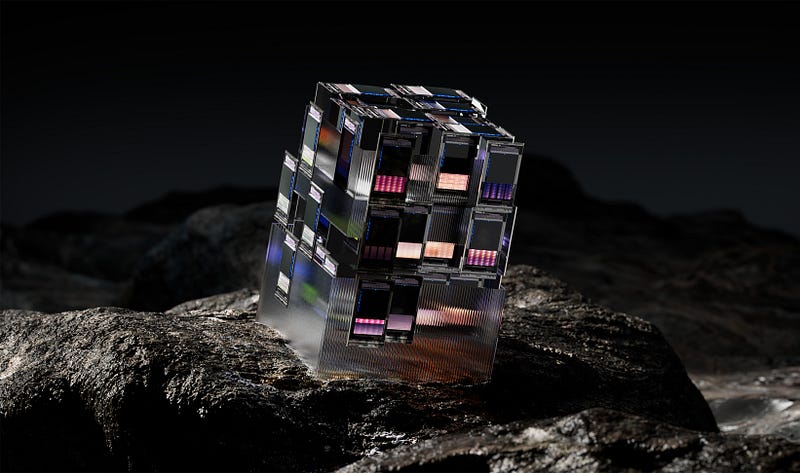
Transhumanists believe that technology can extend human life indefinitely. Anti-aging research and cryonics to preserve the body and brain after death target a scientific version of immortality. Scientists assume that advanced technology can one day map brain data, to replicate the mind in computers. But whether consciousness can continue without a living brain is hotly debated.
While religions provide belief-based explanations for what happens after death, science currently has no definitive answer. Leading theories contradict the question of whether consciousness persists beyond brain function. But quantum physics discoveries and the exponential growth of technology still solve this riddle. To unravel the secrets behind this eternally compelling question remains the divine search of science for the time being.