
The Science of Leadership: Washing Dishes Will Make You a Better Manager
The most unpopular household tasks are your way to respect.

Washing dishes is the source of many relationship issues. Soggy food leftovers are nobody's dream job. And even if you deal with the moldy patches and milk curd in your sink, you’re still not getting the appreciation for making everything squeaky clean.
People compliment cooking, gardening, and brooming more than clean dishes. But how you treat this chore can impact the quality and longevity of your relationships — both with romantic partners and flatmates.
People are happier about sharing dishwashing duties than other household tasks, according to the Council of Contemporary Families. Women in heterosexual relationships constantly fret over the division of household labor. Your sex life can suffer by choosing to stay away from the active duty in the dishwashing division.
Another issue is a constantly dirty kitchen sink when you have flatmates. You probably think that you don’t want to clean after other people. And nobody can say you’re wrong. But being constantly right is not making you happy or a good leader.
People don’t follow righteousness. You’re not following someone just because they’re being verbally right. The sink is still full of gooey organisms eating away at your peace of mind.
You have a real situation at hand. Your righteousness can’t clean the dishes, and you’re risking to agitate others, just to prove a point. Arguing over the dishes is exactly the opposite of the right solution. Instead of making things better, you’re creating a bigger mess.
I’ve seen destroyed relationships over 6 crusty plates and a bit of cutlery. In reality, cleaning that batch is only 6 minutes of work.
You risk alienating people you love over a six-minute job. The outlook on your relationship balance account is not looking good here. And I know that you think that’s it’s the matter of principle or whatnot. But Individual principles can be just as petty as deleting your boyfriend’s Playstation account after a fight.
The dishes in that sink are your mess, even if you’re not directly responsible for putting it there. The sink is yours. The peace of mind is also yours. And you’re not looking tough by standing up over a few damn plates.
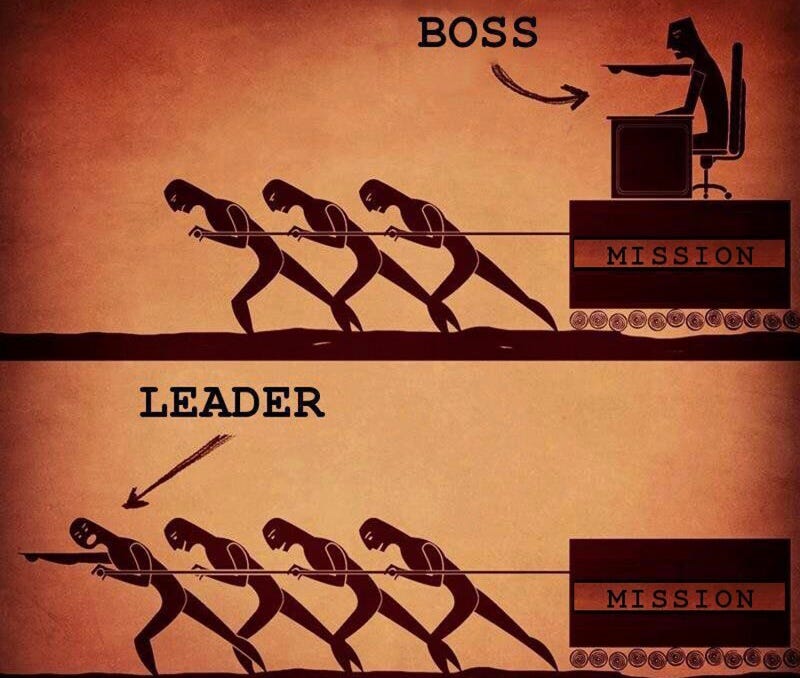
The role model leadership is the stellar model for long-lasting peace and respect in the household and at work. Bill Gates washes the dishes for his family every night. You can think that the mega-billionaire is above household chores, but he sees a deeper connection here.
Respectable restaurant managers that raise to the GM positions are in the dish pit with their employees during rush hours. Happy households are the ones where people clean the dishes because they don’t like the mess. Business leaders do the work they're not directly responsible for because they can see the bigger picture.
The idea is to help make everyone's life better, not worse. The true leaders lead by example, and those are the ones that you follow dearly. Your respect grows when you just do the job that makes everyone feel better. Righteousness over a batch of plates is not a fight you want to pick, because you can’t win.
Now, you can’t be always doing all the work. Bringing everything to a respectable standard gives others a hint that the kitchen is to stay clean. People respect clean surfaces, more than the dirty ones. When your place is clean, people think twice before making a mess.
Individual mess stands out. And nobody wants the blamed for it. You’re motivating others through intrinsic mechanisms of goodwill and respect.
True leaders inspire people, and the world needs more true leaders. Nobody likes bosses. True leaders are not bossy. True leaders inspire action. True leaders are on the front lines, and you can become one by dealing with your own kitchen first.
Get stories about the next global generation — delivered right to Your inbox!