
The Science Behind Why We Love Horror Movies
Decoding the fascination behind scary movies
Horror movies are more popular than ever, especially among younger generations. According to a Deloitte study, horror is the third most favourite genre for video content among Gen Z, after comedy and action. In 2020, horror movies accounted for the largest share of the box office in modern history, despite the pandemic shutting down many theatres.
Horror movies have a long and rich history, dating back to the silent era of cinema. Some of the earliest horror films were adaptations of classic novels, such as Frankenstein and Dracula, or inspired by folklore and mythology, such as The Cabinet of Dr. Caligari and Nosferatu. Over the decades, horror movies have evolved and diversified, exploring different themes, styles, and subgenres, such as slashers, zombies, vampires, ghosts, monsters, and more.
But what makes horror movies so appealing and entertaining? What are the psychological reasons behind our fascination with fear? As horror movie expert David J. Skal puts it: “Horror is a universal language; we’re all afraid. We’re born afraid.” In this article, we will explore how horror movies activate our threat detection system, how they trigger excitation transfer and catharsis, how they help us explore the dark side of humanity, and how they vary depending on individual differences and preferences. By the end of this article, you will have a better understanding of the science behind why we love horror movies.
“Danger, Danger!”: How horror movies activate our threat detection system
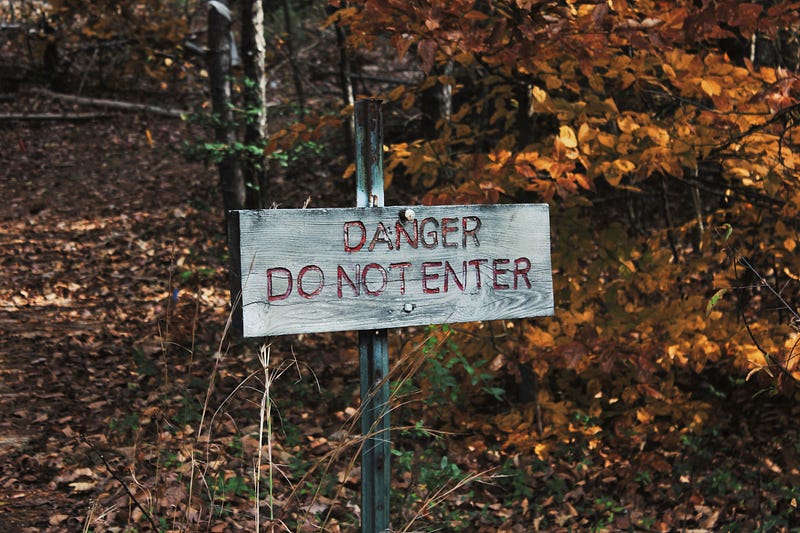
One of the reasons why we enjoy horror movies is because they activate our innate threat detection system. This system evolved in our ancient ancestors who lived in dangerous environments where they had to be constantly alert for predators and other hazards. As horror movie expert Mathias Clasen explains, “The whole brain is responsive to a potential threat, at the expense of anything else.”
Horror movies simulate threatening situations that trigger our threat detection system and attract our attention. We become focused on the source of danger, whether it is a masked killer, a supernatural entity, or a deadly virus. Our heart rate, blood pressure, and breathing increase, preparing us for fight or flight. We also experience a surge of adrenaline and other hormones that enhance our arousal and excitement.
Horror movies also allow us to experience novel and exciting situations in a safe environment. We know that we are not really in danger, but we can still feel the thrill of being scared. We can explore our fears and fantasies without having to face the real consequences. We can also learn from the characters’ reactions and strategies, and imagine how we would cope in similar scenarios.
Researchers have found evidence that supports this point. For instance, a study by the University of Turku used MRI scans to measure brain activity while participants watched horror movies. They found that horror movies activated regions of the brain involved in threat detection, attention, emotion, and memory.
These studies suggest that horror movies activate our threat detection system and make us more attentive and aroused. This can enhance our enjoyment of horror movies, as long as we feel safe and in control of the situation.
“I feel so much better”: How horror movies trigger excitation transfer and catharsis

Another reason why we enjoy horror movies is because they trigger excitation transfer and catharsis. These are psychological processes that involve the transformation and release of negative emotions into positive ones.
Excitation transfer theory, proposed by Dolf Zillmann, explains that horror movies induce physiological arousal and emotional intensity that can be transferred to positive feelings after the movie ends. For example, when we watch a scene where a character is chased by a killer, our heart rate, blood pressure, and breathing increase, preparing us for fight or flight. When the scene is over, or when the character escapes or defeats the killer, our arousal does not immediately subside, but it is reinterpreted as relief, joy, or satisfaction. This enhances our enjoyment of horror movies, as we feel a sense of accomplishment and reward.
Catharsis theory, influenced by Sigmund Freud, explains that horror movies can help us release pent-up emotions such as fear, anger, or frustration. When we watch a scene where a character is tortured by a villain, we may feel empathy for the character, but we may also feel anger or resentment towards the villain. When the scene is over, or when the character is rescued or avenges the villain, we may feel a sense of catharsis, or emotional cleansing. This reduces our stress and tension, as we feel that justice has been served.
Researchers have found evidence that supports this point. For instance, a study by Zillmann measured physiological arousal and emotional responses while participants watched horror clips. They found that participants who watched clips with high suspense and resolution reported higher levels of enjoyment than those who watched clips with low suspense and resolution. Another study by Tamborini et al. (2011) measured emotional responses and moral judgments while participants watched horror clips. They found that participants who watched clips with high levels of moral violation and retribution reported higher levels of enjoyment than those who watched clips with low levels of moral violation and retribution.
These studies suggest that horror movies trigger excitation transfer and catharsis by inducing physiological arousal and emotional intensity that can be transformed into positive feelings after the movie ends. This can enhance our enjoyment of horror movies, as we feel a sense of relief and satisfaction.
“The Shadow”: How horror movies help us explore the dark side of humanity
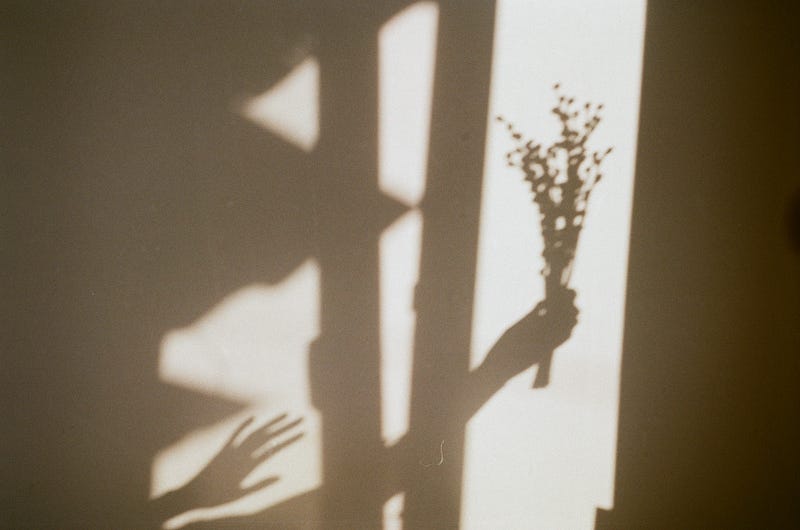
Another reason why we enjoy horror movies is because they help us explore the dark side of humanity. This is the aspect of ourselves that we often repress, deny, or fear, but that we are also curious and fascinated by.
Carl Jung, a famous psychologist, called this aspect the Shadow archetype. He defined it as “the unknown, repressed ideas, shortcomings, weaknesses, and chaos” that we project onto others or externalize in our dreams and fantasies. He also noted that the Shadow can take the form of dark creatures such as demons, dragons, or snakes, and that it can have a constructive side, as sometimes things must be destroyed to be created anew.
Horror movies can help us confront our Shadow archetype and grapple with the moral and ethical dilemmas of human nature. They can show us the potential for evil and violence that lurks within ourselves and others. They can also show us the consequences of our actions and choices, and challenge our beliefs and values.
Anthony Hopkins, who played Hannibal Lecter in The Silence of the Lambs, said: “We all have a dark side. We’re all capable of doing anything.” Horror movies can help us acknowledge and understand our dark side, without having to act on it or suffer from it. They can also help us appreciate our light side, as we witness the courage and resilience of the heroes and heroines who face and overcome their fears.
“No horror for me, thanks”: How horror movies vary depending on individual differences and preferences
Horror movies are not for everyone. Some people love them, some hate them, and some are indifferent. What makes us enjoy or avoid horror movies? How do our preferences for horror movies differ from others?
There are many factors that can influence one’s preference for horror movies, such as personality traits, gender, age, culture, mood, etc. For example, some researchers have suggested that people who score high on sensation seeking or arousal seeking tend to like horror movies more than those who score low on these traits. Similarly, people who have a high need for cognition or curiosity may be more attracted to horror movies that explore the dark side of human psyche. On the other hand, people who are more empathetic or fearful may be more likely to avoid horror movies that cause negative emotions.
Gender is another factor that can affect one’s preference for horror movies. Studies have shown that men tend to prefer horror movies more than women, especially those that involve violence, gore, or monsters. Women, on the other hand, may prefer horror movies that involve suspense, mystery, or supernatural elements. However, these gender differences are not absolute and may vary depending on the context and the individual.
Age and culture can also play a role in one’s preference for horror movies. For instance, younger people may be more willing to watch horror movies than older people, as they may seek novel and stimulating experiences. Moreover, different cultures may have different norms and expectations regarding what constitutes a scary or acceptable horror movie. For example, some cultures may favor horror movies that involve ghosts, spirits, or demons, while others may prefer horror movies that involve zombies, vampires, or aliens.
In this article, we have explored the science behind why we love horror movies. We have seen how horror movies activate our threat detection system and prepare us for potential dangers. We have also learned how horror movies trigger excitation transfer and catharsis, allowing us to experience positive emotions after being scared. Moreover, we have discovered how horror movies help us explore the dark side of humanity and satisfy our curiosity about the unknown. Finally, we have examined how horror movies vary depending on individual differences and preferences, such as personality, gender, age, and culture.
The next time you feel like watching a horror movie, don’t hesitate to do so. You might be doing yourself a favour. And if you are not a fan of horror movies, maybe you can give them a try and see if they can change your mind. Who knows, you might discover a new genre that you love.
Do you love or hate horror movies? What are your favourite horror movies or subgenres? How do you feel after watching a horror movie? Share your thoughts and experiences with us in the comments below!
Are you tired of scrolling through endless clickbait articles and ads on other platforms? With a Medium membership, you’ll have access to high-quality, ad-free content from top writers and publications. Indulge in the pleasure of reading while supporting the creative work of writers, and take your reading experience to the next level. Sign up now to join the community of readers and writers on Medium.