
Healthy Body and Mind
The Science Behind Teaching Dance
What we should consider to promote safe dance practice
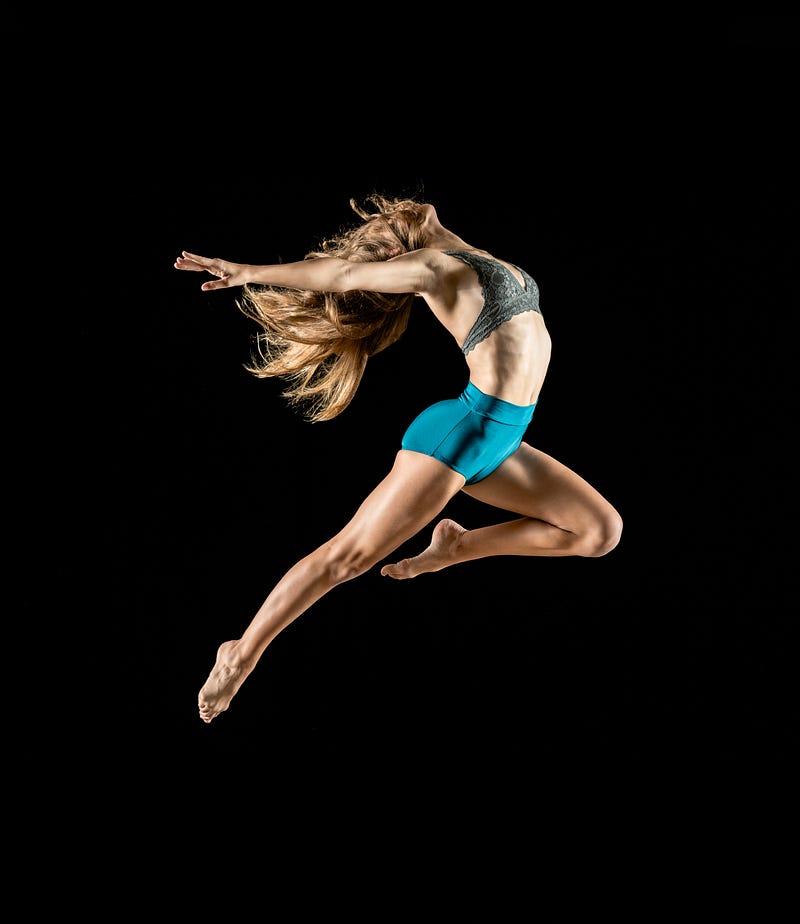
An understanding of basic dance science will go a long way in maintaining a long career in the world of dance. Whether the aim is to teach, perform or acquire a community or therapy position, it is vital that a dancer understands the varied elements that are required, to stay safe and healthy in their profession. For the performer and teacher alike, this realisation will help to improve technique, prevent injury, realise potential, optimise performance and improve health. Every dancer has a responsibility to themselves and others to recognise their needs and educate themselves in the current scientific issues of dance.
I have witnessed many different dance practises over the years. However, only in more recent years has it been recognised that safe dance practise needed to be implemented. As a young dancer, safe dance practise did not seem to exist. The school of thought then, was for all to reach ridiculously high expectations, with no consideration towards anatomy, physiology, nutrition or psychology. Therefore, every individual was expected to have flat turnout, an underweight frame, survive on salad alone and then stay in good mental health!
As well as this, no thought went towards how it was best to achieve this in a safe manner. Therefore, classes usually consisted of a violently ballistic stretch warm up and no cool down.
Suffice to say, that at the age of sixteen, this resulted in a serious tear in my left Adductor Magnus. This injury forced me to realise my own potential before this became standard practice. On the other hand, now as a teacher, this has reinforced the importance of looking after not only myself but my responsibility to look after my students.

Psychology
Many children have their first experience of dance at around the age of five, in school or in a studio. As a dance teacher there are limitations to what we can expect them to accomplish and understand at this age. Some of these restrictions depend on the child’s home environment, their personality and temperament. These different factors can continue to have an effect on any student throughout their life into adulthood. Therefore, a student’s psychological state at any age can affect and influence their learning and achievement in the dance class and in turn their performance.
As well as these different psychological factors affecting physical performance for the dancer, they can also affect their personal and emotional health. In general terms psychology is:
The scientific study of behaviour and its related mental processes. Psychology is concerned with such matters as memory, rational and irrational thought, intelligence, learning, personality, perceptions, and emotions and their relationship to behaviour.
Psychology, 2002, [Online]
Gaining a basic understanding of psychology can help a dancer or teacher in a variety of different ways. For example, ask yourself:
- Does my student get anxious in a dance class or during a performance?
- Does my student lack confidence and why?
- Is my student a motivated dancer?
- Is my student stressed?
- Why does my student dance?
- What can I do to improve anxiety / stress / confidence / motivation?
The key to this ‘metacognition’, the ability to understand and then in turn control one’s thought processes, is to develop an awareness of what is going on in the mind. Only then can an individual scrutinize their comprehension of their environment and then in turn develop strategies to overcome problems. (ISTD, 2006, 69)
Personality
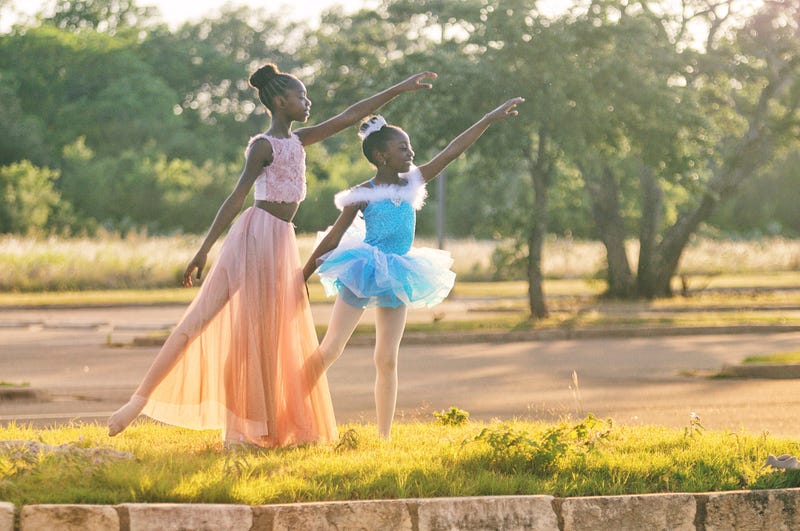
Personality plays a vital role in this understanding. Firstly at the psychological core is your upbringing. From a teacher’s perspective, the way a younger student interacts with their parents is often a clue as to how they will perform in the class. In the ideal world, a student who has an authoritative upbringing will have the best chance of success. They should be able to focus on the task at hand and comply with requests and rules.
There are four main parenting styles that scientists have identified, that lead to the development of different personalities through childhood into adulthood:
- Authoritarian: high levels of demand are placed upon the child and low levels of nurture and communication. This leads to lower self esteem, less skill and then in turn aggression or repression.
- Permissive: high levels of nurture and low levels of control and communication and demand for maturity. This leads to immaturity and the inability to become independent and responsible.
- Authoritative: high in all four aspects, control, communication, acceptance, nurture and sets clear limits. This leads to the most positive outcome, with high self esteem, independence and compliance.
- Uninvolved: unable to form an emotional attachment, often because of illness or other problems. This leads to disturbance in social relationships, behaviour and impulsion. (ISTD, 2006, 45)
These foundations in personality developed at a young age, in turn affect both typical responses, the reaction to the environment and role related behaviour, a reaction to social settings.

Emotion
A student who has a positive emotional approach, is more likely to be comfortable in the dance class, therefore, they will be quicker to respond than one of negative emotionality. A positive student will be happy to actively take part in class, whereas it may take a lot of time, patience, encouragement and understanding for an emotionally negative student to participate, and it will not always be successful.
The learner with negative emotionality may respond to tasks with frustration and anger, therefore fail and as a result become more negative with lowered self esteem. That is not to say that they can not succeed, if they understand the origin of their negativity, they can then take steps to turn it around. In addition, if a teacher can be encouraging, give praise and not demand too much from the negative student, they can still achieve positive results. (ISTD, 2006, 43)
Observe your students
There are different approaches to measuring and understanding psychology in dancers. With very young students it is difficult to do any study related assessment, in other words they can not fill out questionnaires or personal profiles, and therefore observation is the key to understanding.
Aspects to consider when observing a young student are:
- How do they behave in class, are they noisy, quiet?
- Do they seek attention and like to be at the front at all times, do they seem to dislike attention and prefer to hang back. Or are they happy most of the time in any position?
- How do they interact with their parents / carers and which parenting style do they use?
- How does the student react in their social situation and interact with their peers?
- Are there any physical manifestations of psychological stress or anxiety?

Development of the human body
As a teacher of various ages, from primary age children through to college students and adults, it is extremely important to have an understanding into the function and development of the human body. It is vital so I can prevent injury to not only myself but also my students. With this knowledge, a teacher or student should be able to maintain a basic level of fitness and health, improve personal knowledge and adhere to technique. (Marsh, 2000, 1)
There are four main life stages for both cognitive and physical development:
- Young childhood (0–6 years)
- Middle childhood (6–12 years)
- Adolescent (12–19 years)
- Adulthood, this can be split into three subsections: Early adulthood (age 20–40) Middle adulthood (age 40–65) Late adulthood (age 65 and over)
It is important to realise that throughout these different stages there are changes that happen both physically and mentally. Both teacher and student need to be aware of these changes and that it is a normal process. In adolescence, major physical changes take place that can affect stability, balance, stamina and control. These changes coincide with academic pressure at school, peer pressure and hormone changes and can often lead to decreased self esteem. (Rist, 2000, 1)
By the age of five, fundamental motor development should be in place and motor skills can be developed. Fine motor skills are also good at this age with the child being able to manipulate fingers to carry out fine tasks. They should be able to walk, run and more often than not gallop and maintain posture for short amounts of time. A child’s growth development follows a proximodistal pattern, with growth starting from the centre of the body moving outwards towards the limbs.
Therefore children learn to control the large skeletal muscles in their arms and legs first, such as their biceps, triceps, hamstrings and quadriceps before forearms and legs, then finally fingers and toes. According to this pattern and growth and from experience, a young student will therefore often achieve a step such as skipping without too much effort. However, it will take time before they can plantar flex their feet and become aware of their lower arms and hands. (ISTD, 2006, 39)
By middle childhood, a lot of physical growth has taken place. Fine motor skills have greatly improved and the cognitive processes of logic and planning are also starting to advance. The nerves that control attention are linked, therefore making concentration better. Boys of this age are at the beginning of gaining more mass and therefore have more muscular strength, whereas girls tend to have better coordination. Selective attention also develops during this age in childhood, meaning the ability to process the relevant or important pieces of information. Information processing is also faster, therefore a student of this age is able to receive, process and then act upon instruction quicker. (ISTD, 2006, 51)
In adolescence rapid and uneven growth takes place in five main areas:
- Reproductive system
- Skeletal system
- Muscular system
- Cardiovascular system
- Neuromuscular system
The skeletal pattern of growth differs at this stage from middle childhood. The proximodistal and cephalocaudal growth patterns are reversed. This means that the head, feet and hands grow first followed by the arms and legs and finally finishes with the growth of the trunk in the centre of the body.
Muscle fibres become thicker and denser improving strength, the heart and lungs expand in size and the heart rate decreases. This decrease in heart rate is normally more prominent in males than females and in turn leads to the ability to sustain physical effort. The cerebral cortex of the brain increases in thickness and the neurological pathways become more proficient and in turn, ability becomes enhanced. (ISTD, 2006, 66–68)

Avoiding injury
Young Adulthood and especially adolescence is a time when injuries in the dance class can often take place. The Summary of the report of the National Inquiry into Dancers’ Health showed shocking results that:
In all 658 professional dancers and dance students completed questionnaires. They show that 84% of the contemporary dancers, 83% of the ballet dancers and students, and 63% of the dancers in other styles had incurred an injury, predominantly muscular, in the previous 12 months.
Brinson and Dick, 1996, 1
There are many different physical scientific aspects to take into consideration to prevent this. Three of the main components are:
- Warm up and cool down
- Core stability
- Posture
An effective warm up will prepare both the body and the mind for physical activity. The pulse rate increases as well as the stroke volume and blood pressure. This increase pumps more oxygenated blood to the muscles and leads to a decrease in joint viscosity reducing the risk of injury to both muscles and joints. Communication from the nervous system increases alertness and the gastrointestinal system slows down, so one may not feel as hungry.
An effective warm up should include movements that slowly take the limbs and joints through their range of motion, employ proprioceptors used for balance and raise heart rate. A cool down should reverse the effects of warm up by preparing the body to stop the physical activity. The joints should be remobilised and passive stretching should be used. An effective cool down should decrease muscle stiffness, remove waste products such as lactic acid, reduce the risk of injury and preserve flexibility. (Geeves, 2000, 1–2)
Core stability is a dynamic system that is concerned with lumbar and abdominal stabilisation. The muscles involved are the deep spinal multifidus, internal and external obliques and the abdominal transverses that stabilise like a corset and work through sustained actions. Being aware of your core, leads to better posture and strength and reduces the likelihood of injury. (McNeill, 2000, 1–2)
Adjust your approach
Feelings of inadequacy and loss of ability is common during adolescence, it is easy as an adult however to forget this, therefore, there are steps you can take in your teaching approach of this age:
- Increase the time spent on postural modifications and heighten student’s awareness. Give at least one lesson on assessing each other’s postural alignment.
- Introduce proprioceptive training.
- Recognise and discuss physical changes.
- Encourage students to take a personal responsibility in their training including the importance of warm up and cool down.
Connect with both parent and student
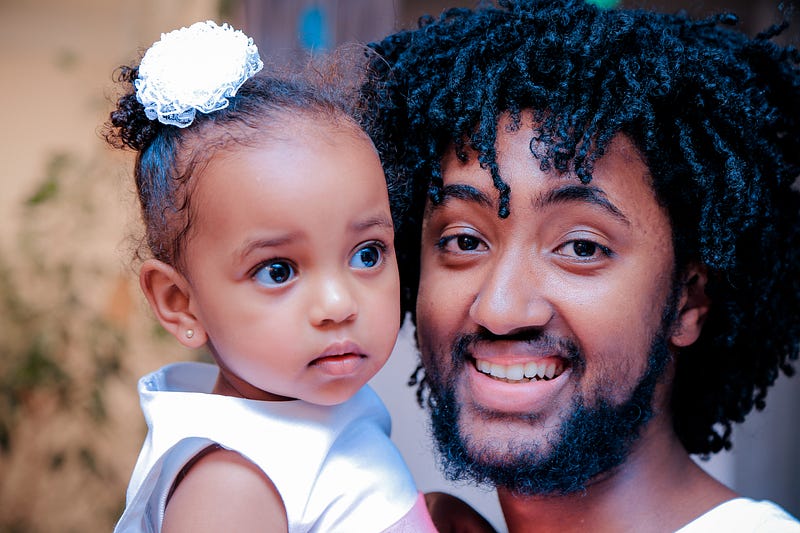
Whenever a new student enters your class, try to speak to both parent and student and watch for the interaction between the two. Try to analyse the student’s behavior in class, whatever their age and make adjustments to your approach. Make sure you are aware of any medical conditions which should be brought to your attention. You will find parents are happy to provide this information as they realise the importance of the teacher being well informed.
Consideration of both psychological and physical aspects of learning and teaching in dance will equip you with some useful tools for assessing both psychological and physical performance in your students, which in turn will lead to better preparation, an understanding of their needs and the best approach to that child’s dance education. Moreover, this acquired knowledge will serve as a good grounding to further extend your understanding and in turn continue to further enhance your own safe dance practice.
Article written by Drama Llama | Educator | Writer | Academic | Consultant


