
The Scariest Wildlife in Australia are the Kangaroos
Though the Outback had some good contenders
When I first told people I wanted to spend a year working and travelling Australia at 18, they all said the same thing:
Are you sure? They have such dangerous wildlife, think about the spiders and snakes!
Which was somewhat effective because I am deathly afraid of snakes but I thought I’d take the chance and just hope for the best.
It was honestly the best year and I saw a total of 2 snakes (many more spiders but I quickly learned that the bigger the spider, the less dangerous so I was just glad I WAS able to see them — if that makes sense).
Wildlife in Australia is certainly no joke, from deadly jellyfish to sharks to many, many venomous snakes. Yet, a study in the early 2000s in Australia revealed the real killer: horses. Yes, most people killed by animals died in horse-related accidents.
Personally, I felt that if you follow some basic rules (don’t run around in the bush, don’t swim in random ponds, stay out of the water during jellyfish seasons) and apply common human sense, you can avoid most dangerous situations — think Crocodiles and snakes hiding under bushes. The scariest animals to me were really Kangaroos, thanks to the stories my Australian mates told me.
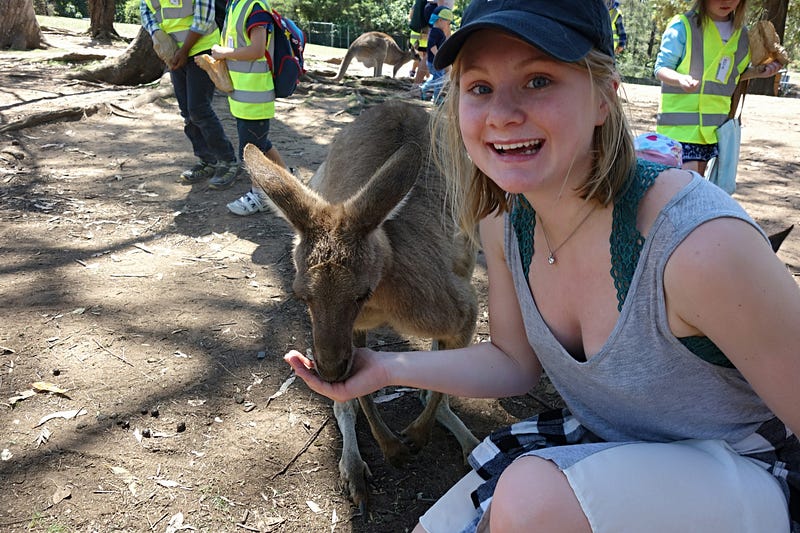
I feel like if you piss off a Kangaroo, you will actually have to fight it and you will very likely lose. So I stuck to carefully feeding them:
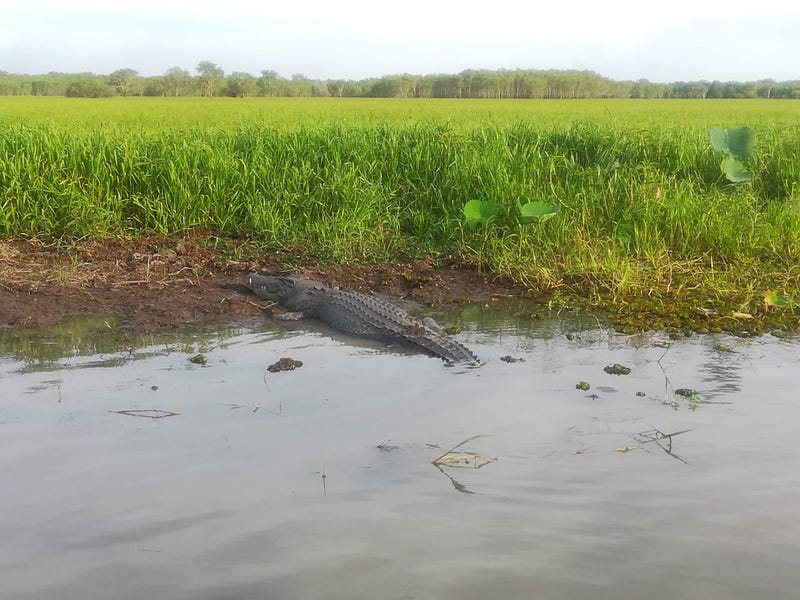
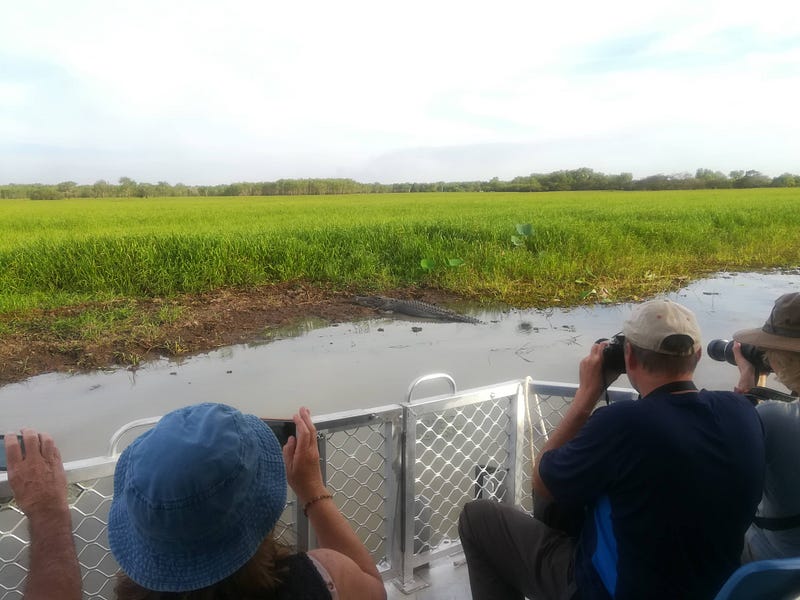
Once I ventured away from the East Coast and towards the Red Center, I definitely experienced some of the deadlier animals (from a safe distance). In Kakadu National Park we did a river tour and got to see some massive crocs — trust me when I tell you they are imposing. They are also masters in blending into muddy water, which is precisely why you don’t swim in unmarked ponds in Australia.
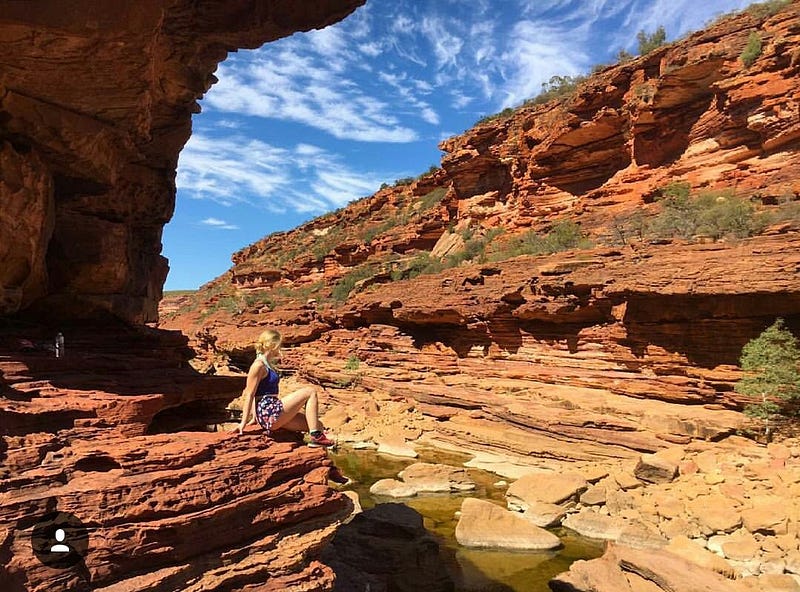
On a more fun Australian wildlife note is my time on the West Coast. We road-tripped from Perth to Exmouth, where we saw dolphins, Quokkas and cows (we woke up one morning surrounded by cows — a very strange experience).
Sadly the only photo I can find of my time there is this one from near Exmouth:
Exmouth is also Australia’s top location for swimming with whale sharks at Ningaloo Reef and that’s exactly what we did. Whale sharks are actually sharks but got their name thanks to their huge size. They can grow up to 20 meters in length and 20 tonnes in weight.
There is no experience like having one of those giants swim up right behind you with their massive mouths open. Which they do to feed on planktonic organisms, yet it did feel like I would be collateral damage if I didn’t get out of the way quickly enough.
It was honestly such a cool experience. The water wasn’t clear so whenever the tour team detected one, they would shoo us in the water and we’d just be waiting for this massive fish to pop out of seemingly nowhere 2 meters away from us. Then followed the hectic shuffle to get out of its way, after which you got to swim next to the whale shark. 10/10 fun though!
Anyway, I think Australia definitely has some pretty cool wildlife and not nearly as scary as most people (who have never been there) make it out to be.
If you’re thinking of visiting Oz, check out Veronica Llorca-Smith’s story on things to expect:
If you’re from Europe, consider a stopover in Singapore to admire the wildlife there, as described by Rhonda Carrier:


