
The Sacrifice of Wood
a short story
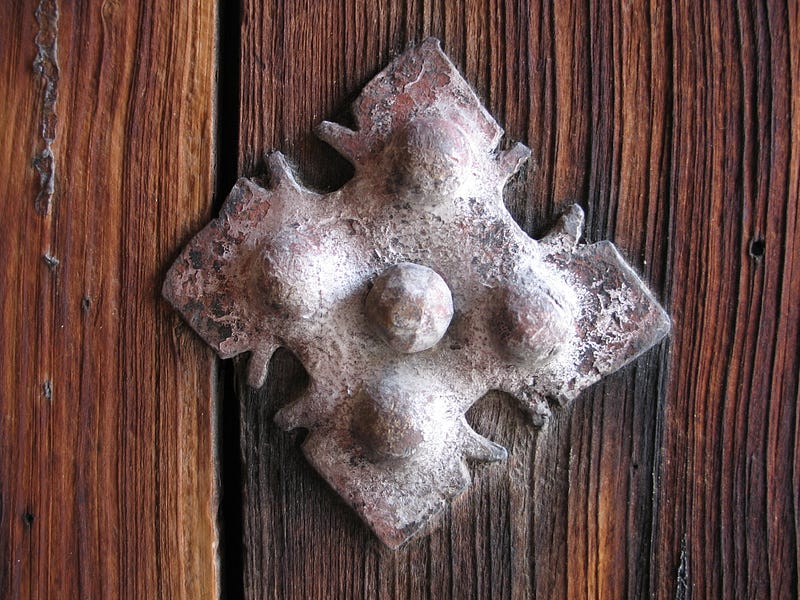
Peyton’s father was a gentle young man, the first in his family to attend college. Having just finished a stint in the navy toward the end of the Vietnam war, he had a chance to study at the state university. Unsure of what course to follow, he decided on business management, not for any love of business, but to improve his chances in life. Forcing himself through a difficult four years, he finished proudly — even though his grades were just average. Cs get degrees. That’s the truth.
Before all that, he used to work with wood. He had built his young wife a sewing table and drawers the first year of their marriage. The second year he poured himself into the construction of a rocking chair. Later, he watched her ensconced there in downy blankets, nursing and rocking their firstborn. As the baby grew and others came, he fashioned smooth wooden toys, horse figures with wheels, blocks, and puzzles. He was always handy around the house, fixing things as needed. Occasionally, he would acquire a battered piece of antique furniture and spend the year refinishing it.
But after college, he focused on “white-collar” employment. Eventually, he found a lane and stayed there. For decades, he dutifully forced his nose to the grind and remained on the treadmill of the business world. He was a “company man,” whose waking hours were shaped by the job, 8–5, or on many days 8–8. He arrived home emptied and gutted, his pain a constant companion. The giggling children would walk up and down his back until his spine snapped into place and supper was ready with the evening news.
The children grew and flourished, but their father’s dissatisfaction with his chosen career path was apparent. Peyton came to understand that working a job was something you had to do, a burden, a bridle and a whip, a weight to be dragged through the decades. Later, she observed other people with careers that included elements of personal fulfillment. Her uncle had one, some friends of the family seemed satisfied — these people moved toward their professional peaks. At the same time, her father remained in middle-management, never really seizing the reigns of his trajectory or cultivating excitement therein.
Not long after Peyton finished high school, college life presented itself as the next obvious step; but she wavered, much to her father’s chagrin. One afternoon, they walked along the river near the campus. Peyton asked why he’d chosen to major in business. “Oh….I don’t know,” he answered with a sigh, “I suppose it seemed like the right thing to do for man with a young family. I thought it would help me be a good provider.” She nodded in silent understanding.
“What would you have preferred to do?” she inquired.
“Hmmm……Well, I guess I would have done something with wood,” he answered, his eyes going distant as he imagined the alternative timeline.
“You could’ve been a carpenter, they make good money.”
“Yeah, well, some do…but not all.”
“What about now?” she suggested, “You could still do it. Be a journeyman apprentice, learn to build cabinetry or something…”
“Nah… .it’s too late, and I’m too old. Anyhow, the solvent fumes bother me now.”
“You could set up good ventilation….” But he cut her off.
“It’s too late now,” he repeated with an edge in his voice, signaling that the conversation was over. The door was closed.
His example sealed inside her heart and informed her ‘coming of age.’ Peyton clasped her hands under the nectarine tree behind their home and made a vow before moving out. She promised herself a different life, to carve a path that included meaningful work, to build earning potential from things she liked doing. She never wanted to leverage dread and drudgery to keep herself alive. The choice to work with joy meant forgoing some paths to potential wealth. In light of this, she arranged her expectations around the concept of enough and kept her material dreams modest.
Her father conveyed an unintentional lesson through the example of his life-long sacrifice. Seeing what he gave up inspired his eldest daughter to do the exact opposite. But she cast no judgment or shame on his choice. She was profoundly grateful, recognizing that his was a pedagogy of persistence. He demonstrated an iron will to stay on the wheel for those who depended on him. That was his gift, a sacrifice — and the daily, living proof that he loved his family more than himself.


