
Hawaii|Our Stories|Our Heritage|Love|Folklore|Sustainability|Environment|
The Sacred Taro: A Cornerstone of Our Hawaiian Culture and Identity
Dedicated to my Hawaiian Family, A Story Passed Down from Great-grandma from Hilo, Hawaii
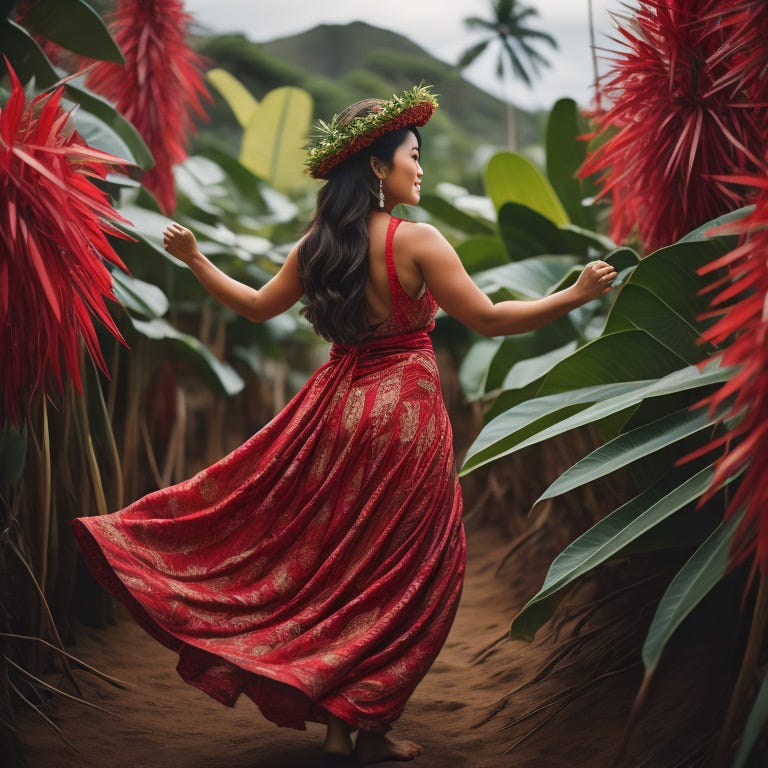
ʻO ke kalo kapu: He Pōhaku Kihi o ka Moʻomeheu Hawaiʻi
Hoʻolaʻa i koʻu ʻohana Hawaiʻi
Ma nā moʻolelo Hawaiʻi, a me nā moʻolelo i hoʻoili ʻia mai kēlā hanauna a i kēia hanauna ma nā home Hawaiʻi, paʻa ke kalo i kahi kūlana kūikawā me ka moʻolelo e pili ana i kona kumu.
Translation in English: In Hawaiian folklore and the stories passed down from generation to generation in our Hawaiian homes, the taro plant holds a special place with a legend that speaks of its origins.
ʻO kēia moʻolelo i ulu aʻe ka manaʻo ʻo ke kalo ke kaikuaʻana o ka poʻe Hawaiʻi, a ua paʻa loa kāna mahi ʻana i ka moʻomeheu. ʻO ke kalo, a i ʻole “kalo” ma ka ʻōlelo Hawaiʻi, ua manaʻo ʻia he lāʻau kapu a he mea koʻikoʻi loa ia ma nā ʻano hana like ʻole.
Translation in English: This tale gave rise to the belief that the taro plant is the elder sibling of the Hawaiian people, and its cultivation is deeply ingrained in the culture. Taro, or “kalo” in Hawaiian, is considered a sacred plant and holds great significance in various ceremonies and rituals.
He ʻōlelo koʻikoʻi nō hoʻi ka moʻolelo o ke kalo e pili ana i ka hoʻomau a me ka pilina o nā mea ola a pau. Hoʻoikaika ia i ka lokahi ma waena o ke kanaka a me ka ʻāina, e hoʻomanaʻo ana i ka poʻe e mālama a mahalo i ko mākou Makuahine Honua.
Translation in English: The legend of the taro plant also carries an important message about sustainability and the interconnectedness of all living beings. It emphasizes the harmony between humans and the land, reminding people to care for and respect our Mother Earth.
Hope you enjoy this Hawaiian Legend.
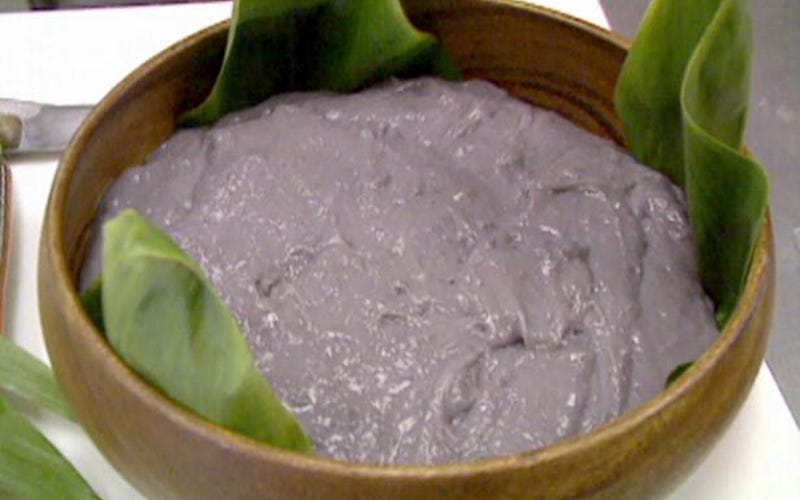
ʻO ka poi, i loaʻa mai i ke kalo kapu, kekahi o nā meaʻai Hawaiʻi kuʻuna a ka poʻe Hawaiʻi i hana koʻikoʻi i nā lā hoʻomaha a me nā hanana hoʻolauleʻa. ʻO kona ʻano paheʻe, ka ʻono kūʻokoʻa, a me ka hōʻailona moʻomeheu e lilo ia i ʻāpana aloha o ka meaʻai Hawaiʻi.
I loko o kekahi luau o ko mākou ʻohana, ʻākoakoa ko mākou ʻohana me ko mākou mau kūpuna e kuke i kekahi o kā mākou kīʻaha kapu ʻo Poi. (Hāʻawi ʻia ka meaʻai ma lalo)
I nā lā hoʻomaha Hawaiʻi, nā manawa hoʻolauleʻa, e like me ka Kalikimaka, Makahiki Hou a me Makahiki (he ʻahaʻaina ʻohi kuʻuna Hawaiʻi), ʻoi aku ka poi ma luna o nā papa ʻaina ʻohana. Pono nā lālā a pau o ka ʻohana e aʻo i ka hoʻomākaukau ʻana i ka Poi. ʻO ka hiki ʻana mai o ka Poi ma kēia mau ʻahaʻaina e hōʻike ana i ka hoʻomau ʻana o nā kuʻuna moʻomeheu a me ka ʻai ʻana i nā meaʻai hui.
English translation: Poi, derived from the sacred Taro plant, one of Hawaiians’ traditional Hawaiian dish that plays a vital role in various holidays and celebratory events. It’s smooth texture, unique flavor, and cultural symbolism make it a cherished part of Hawaiian cuisine.
During one of our family luaus, our families gather with our elders to cook one of our sacred dishes, Poi.
During Hawaiian holidays, festive occasions, such as Christmas, New Year's, and Makahiki (a traditional Hawaiian harvest festival), poi takes center stage on our family dining tables. All members of the family must learn how to prepare Poi. The presence of Poi at these gatherings represents the continuity of cultural traditions and the sharing of communal meals.
Here is another version of the story of Haloa.
Poi
Wahi a ka moʻolelo, ua hānau ʻia kekahi aliʻi ʻōpio Hawaiʻi i kapa ʻia ʻo Haloa na nā mākua akua i noho aliʻi ma luna o ka lani a me ka honua. ʻO kona hānau ʻana he hauʻoli nui a me ka manaʻo nui, ʻoiai ʻo ia ke alahaka ma waena o nā akua a me ke kanaka.
Eia naʻe, e like me ka hopena, ua hānau ʻia ʻo Haloa me ke ola ʻole. ʻO ke kaumaha nui ma luna o kona mau mākua, ka poʻe i kanikau i ko lākou nalowale a hoʻomākaukau e kanu i kā lāua keiki makamae.
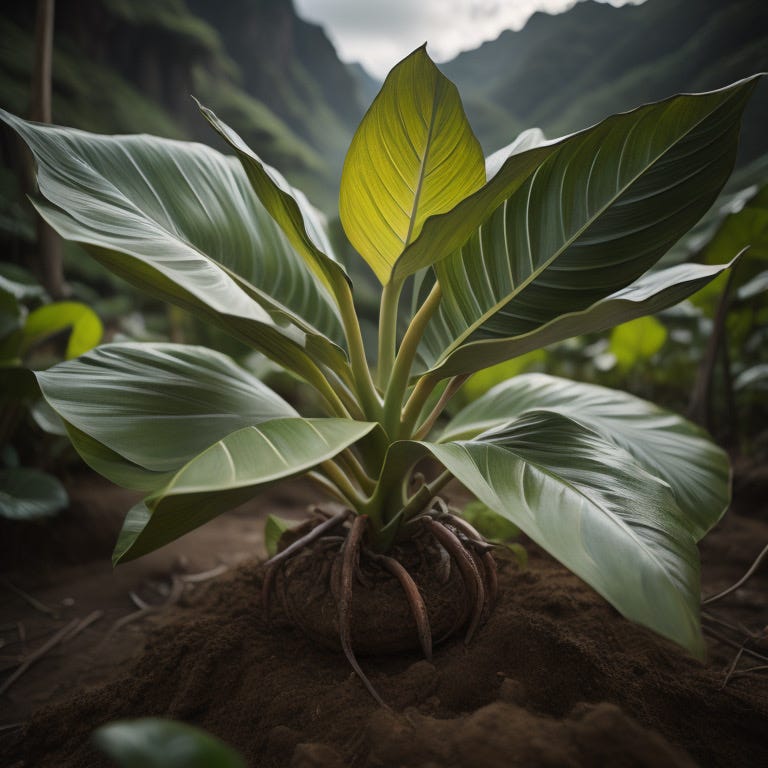
Ua hoʻomākaukau lākou i kahi ilina kapu, e hoʻomaha mālie ai ʻo Haloa i ka ʻapo o ka ʻāina. Ua hala nā lā, a ʻike nā mākua kaumaha i kekahi mea kupaianaha. Mai kahi i waiho ʻia ai ʻo Haloa, ua hoʻomaka ka ulu ʻana o kahi mea kanu ulu a ulu. He lau nui kona ʻano puʻuwai i wehe ʻia, a hiki i ka lā, a ʻo kona mau aʻa mānoanoa e kulu hohonu i ka honua. ʻO kēia mea kanu kupaianaha ka mea kanu kalo mua i kapa ʻia ʻo kalo ma ka ʻōlelo Hawaiʻi. Pīhoihoi nā mākua o Haloa i kēia ʻike kupanaha.
Ua ʻike lākou i ka hōʻailona hohonu o ka puka ʻana o ke kalo. He hōʻailona ia no ka lilo ʻana o ka ʻuhane o Haloa i kēia mea kanu, i hoʻohui mau iā ia i ka ʻāina ʻo Hawaiʻi a me kona poʻe. Ua mālama nā mākua o Haloa i ka mea kanu i kēlā me kēia lā; ua ulu ka mea kanu ma lalo o ko lākou mau maka makaala, e hoʻolako ana i ka meaʻai a me ka hānai ʻana i ka poʻe Hawaiʻi. Ua hana lākou i ka poi, he meaʻai maʻamau i mea nui i kā lākou ʻai.
English Translation: Poi. According to legend, a young Hawaiian chief named Haloa was born to divine parents who ruled over the heavens and earth. His birth brought great joy and anticipation, as he was destined to be a bridge between the gods and humanity.
However, as fate would have it, Haloa was born still and lifeless. Deep sorrow washed over his parents, who mourned their loss and prepared to bury their precious child. They prepared a sacred burial site, ensuring that Haloa would rest peacefully in the embrace of the land.
Days passed, and the grieving parents noticed something remarkable. From the very spot where Haloa was laid to rest, a vibrant and verdant plant began to grow. It’s large, heart-shaped leaves unfurled, reaching toward the sun, and its thick roots plunges deep into the earth. This extraordinary plant was the first taro plant, known as kalo in the Hawaiian language.
Haloa’s parents were astounded by this miraculous sight. They recognized the profound symbolism of the taro plant’s emergence. It was a sign that Haloa’s spirit had transformed into this plant, forever connecting him to the land of Hawaii and its people.
Haloa’s parents took care of the plant each day; the plant thrived under their watchful eye, providing sustenance and nourishment to the Hawaiian people. From its starchy corms, they created poi, a traditional food that would become a staple in their diet.
I ka hala ʻana o nā hanauna, ua hoʻoili ʻia ka moʻolelo o Haloa a me ke kalo ma o ka moʻolelo a me nā kuʻuna waha. Ua lilo ia i moʻolelo makamae, e hoʻomanaʻo ana i ka poʻe Hawaiʻi i ko lākou pilina pili pono me ka ʻāina a me ka pilina akua i loko o lākou.
A hiki i kēia lā, he hōʻailona kapu ke kalo i ka moʻomeheu Hawaiʻi, he mea hoʻomanaʻo i ke alo mau o Haloa a me nā pilina kupuna e paʻa ai ka poʻe i ko lākou ʻāina hānau. ʻO ka mahi ʻana a me ka ʻai ʻana i ke kalo me ka mahalo nui, e hōʻike ana i ka hoʻomaopopo ʻana i ka mālama ʻana o ka ʻāina iā lākou, e like me ke ola ʻana o ka ʻuhane o Haloa ma o ka momona momona o ke kalo
English translation: As the generations passed, the legend of Haloa and the taro plant was passed down through storytelling and oral traditions. It became a cherished tale, reminding the Hawaiian people of their intimate bond with the land and the divine connection that existed within them.
To this day, the taro plant remains a sacred symbol in Hawaiian culture, a reminder of Haloa’s eternal presence and the ancestral ties that bind the people to their homeland. The cultivation and consumption of taro are approached with deep respect, reflecting the understanding that the land sustains them, just as Haloa’s spirit lives on through the nourishing bounty of the taro plant.
Hope you are enjoying my Hawaiian stories. These stories are dedicated to my Hawaiian families. Here is another Hawaiian folk tale.
More Hawaiian Stories from Love: