
The Rwandan Genocide 1994
A day we can’t forget
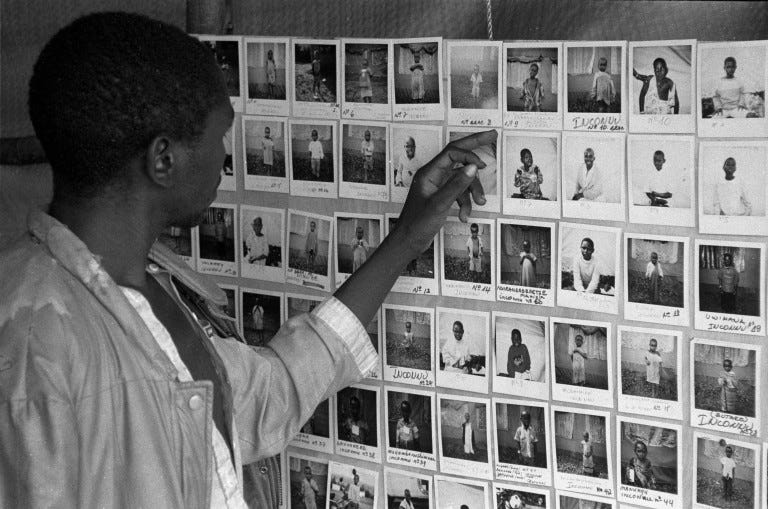
The Rwandan Genocide a tragic event that occurred in 1994 was a sad and devastating time in the heart of Africa. It was a period when deep-rooted ethnic tensions between the Hutu and Tutsi communities erupted into extreme violence leading to widespread suffering and loss of life.
Before the genocide Rwanda was home to two main ethnic groups: the Hutu and Tutsi. These groups had a history of tension partly fueled by colonial influences that exacerbated existing differences. In April 1994 the assassination of the Rwandan president a Hutu became the catalyst for an outbreak of violence.
Following the assassination extremist Hutu groups initiated a systematic campaign to eliminate the Tutsi population. The violence was brutal and widespread with militias using machetes guns and other weapons to carry out mass killings. Thousands of innocent people including men women and children were targeted and killed simply because of their ethnic identity.
During the Rwandan Genocide the international community faced criticism for not intervening promptly to stop the violence. The lack of effective intervention allowed the genocide to continue for about 100 days resulting in an estimated 800000 lives lost. Countless others suffered injuries displacement and the long-lasting trauma of the horrific events.
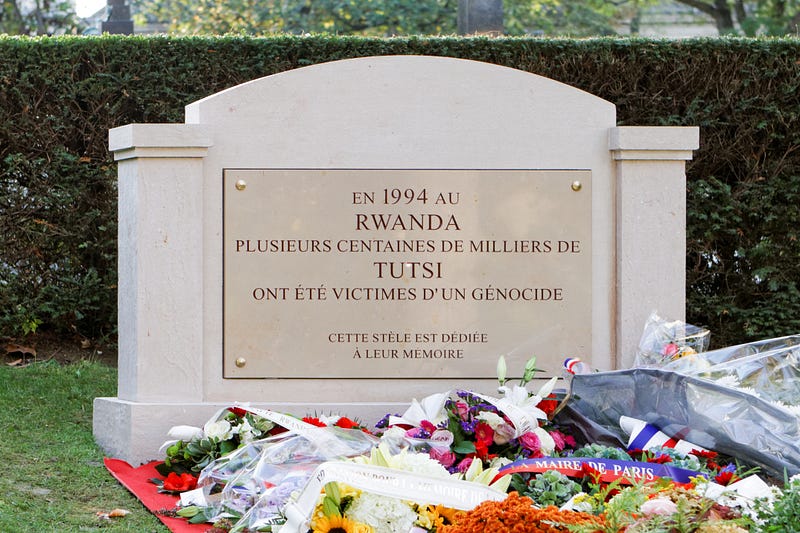
After the genocide Rwanda faced the immense challenge of rebuilding and healing. Efforts were made to bring justice to those responsible for the violence through international courts and tribunals. Additionally the country focused on reconciliation and unity attempting to bridge the deep divides that had led to such devastating consequences.
The Rwandan Genocide serves as a painful reminder of the consequences of ethnic hatred and the importance of fostering unity and understanding among diverse communities. It highlights the critical need for global awareness and intervention to prevent such atrocities and promote peace in regions experiencing conflict.
Sources
I am Hamza Shafiq. I write about facts, poems, history, and entertainment follow and subscribe so you can get the best experience of writing


