
The Role Of Vitamin D In Immune Support
Sufficient level of Vitamin D enables the release of up to one hundred antiviral polypeptides to defend the body against diseases.
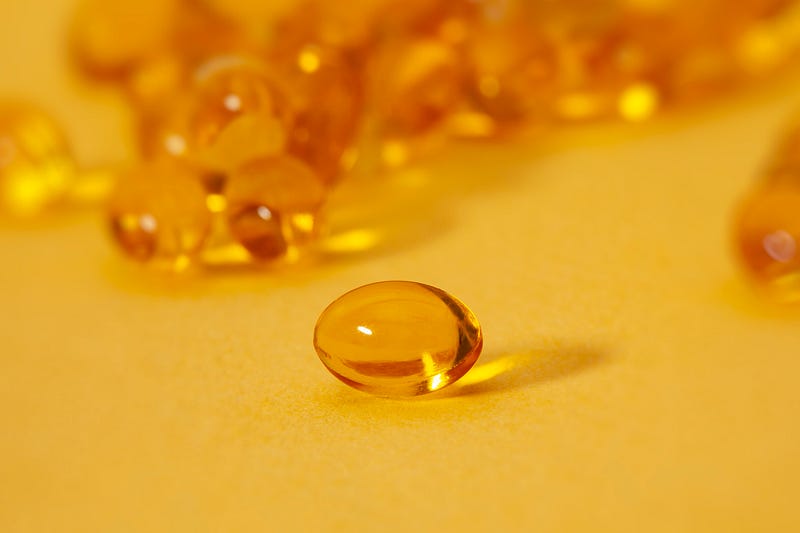
Vitamin D is usually called ‘’THE SUNSHINE VITAMIN’’ because, under favourable condition, sufficient amount of it can be synthesized in the body when the skin is exposed directly to sunlight.
Indirect exposure (as the sun beaming through a glass window) will, unfortunately, will not synthesize Vitamin D in the body.
Sunlight is generally more important than diet, as a source of Vitamin D, yet several environmental and lifestyle factors, such as the season, clothing, indoor-work, and the use of sunscreen can limit Vitamin D biosynthesis in the body.
It is under these conditions that it is necessary apart from diet to supplement the body, because, people like growing children, the elderly and housebound will definitely not get enough sunlight needed to synthesize it.
Food Sources Of Vitamin D
Vitamin D is available in a limited number of foods, but the richest sources are fish oil especially, salmon, mackerel, sardines and herrings. Eggs, milk and butter have a small amount of Vitamin D.
For Lactating Infants
The vitamin D in breast milk is NOT enough for the infant, hence there is a mandatory requirement to fortify infant milk formula with up to 100 IU of vitamin D in the United Kingdom, with similar fortification in USA, Canada and most Western Countries.
Plants are poor sources of Vitamin D, with fruits and nuts containing no vitamin D at all.
Most of the Vitamin D intake in these Countries are added to foods, mandated by law. Fortified foods with Vitamin D are usually, ready-to-eat breakfast cereals, milk, fruit juices, yoghurt and kinds of margarine.
Difference Between Black Skin & White Skin In Vitamin D Synthesis
To achieve the same rate of Vitamin D synthesis, a dark skin person needs five to ten times longer sun exposure as compared to a light skin person.
However, a dark-skin person is able to develop a stronger and healthy bone with lower 25-hydroxy vitamin D level, but a white skin person will have osteoporosis with such low level of Vitamin D. Deficiency in dark-skin people usually result in hair loss, bone issue and low-level immune system,
The thickness and seven-dehydro-cholesterol content of the skin decline with age in all races, causing Vitamin D synthesis to diminish with age.
Vitamin D In Fighting Diseases
In using Vitamin D as a defence, it is important to have between 100–125mmol per litre of blood. This is usually between 4000–6000 IU of daily supplements. If the Vitamin D level is below 100mmol per litre of blood, there is a deficiency and the body is at risk of diseases because the immune system is weakened or compromised.
If a person is not deficient in Vitamin D, the body is able to fight diseases by the release of antiviral polypeptides.
In a 2006 study, it was discovered that the innate immune system is very dependent on Vitamin D3 and the body is strong enough to fight viruses if the level of Vitamin D is sufficient in the blood. As stated before this is by releasing antiviral polypeptides that invade the blood, and forming a defence against attacking other organs like the lungs, for instance.
If Vitamin D in the body is adequate, the immune system produces over one hundred polypeptides according to the defence needed to wade off viruses.
Other functions of Vitamin D
Vitamin D helps the brain nerve cells in the brain carry messages, protects the bone and muscle development, apart from supporting the immune system fight off infection.
In a 2020 study at Trinity College, Dublin, it was noted that higher death rates from the pandemic COVID-19 were from regions with people with a lower-level rate of Vitamin D. It was discovered that Norway, Finland and Sweeden fortify their foods with Vitamin D, resulting in the low death rate during the pandemic.

Measuring Your Vitamin D Level
It is important to measure your Vitamin D level to ensure it is brought up to an adequate level. A typical and adequate level of Vitamin D in a healthy adult is termed ‘’25-hydroxyl Vitamin D level. And should range between 50–80 ng/ml is typical for everyone. However, the level in the serum will depend on how each person actually absorbs it. As mentioned earlier, the synthesis of Vitamin D from sunlight decreases with age, and bioavailability is another issue, as this differs from person to person.
The serum status determines the level of Vitamin D produced in the skin and obtained from food supplements. Serum calcidiol is lower in Winter, as people are less likely to go out, and if they do, are much more likely to cover up.
Serum level of calcidiol is highly correlated to sun exposure. A low level may be a consequence of overall ill health, rather than a cause, that is reverse causality.
There is an app that you can download on your phone to measure your vitamin D level, synthesis wherever you are. It can even inform you if you are going to sunburn. Check out from here. (This is not an affiliate link).
It is important to get out more, especially for those in Temperate Countries, there is nothing to fear. Your daily dose of Sunlight will give you enough vitamin D level to defend yourself against viruses and other chronic illnesses attack.
Vitamin D Deficiency Risk
Studies showed that eighty per cent of Americans are Vitamin D deficient, and known risk among others include cardiovascular diseases, impaired wound healing, hair loss, bone health that can lead to pain, diabetics, Alzheimer and depression leading to fatigue and tiredness. At the same time, not compromising the vitamin D level can cut your cancer risk by up to a half.
You Can Supplement To Boost Your Vitamin D Level


