
ADDICTION UNCOVERED
The Role of Nutrition
Our Society: Addiction and More Uncovered Ch 43
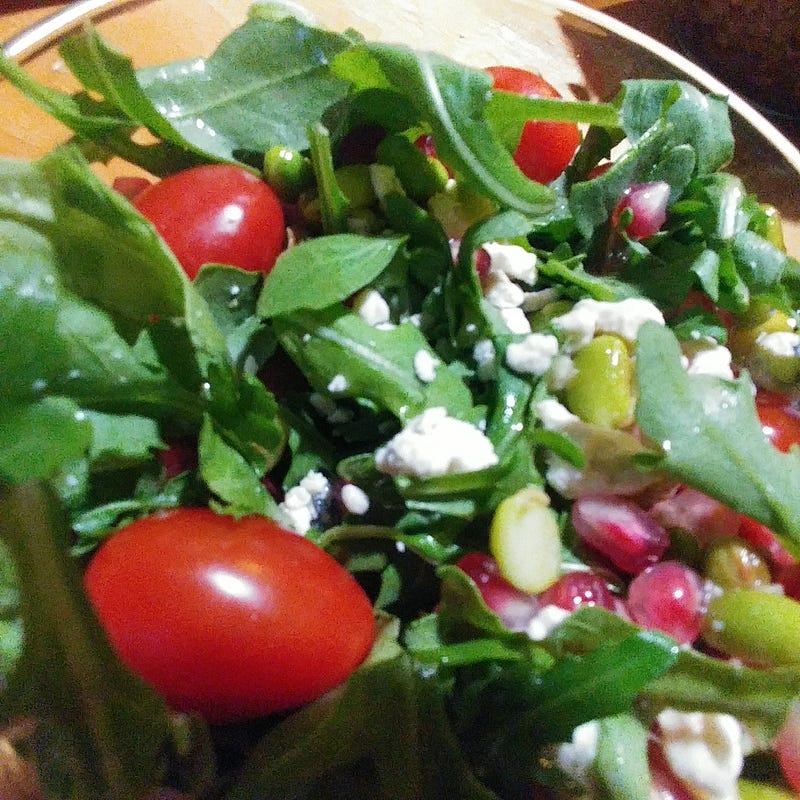
Does nutrition play a role in being healthy?
What is nutrition’s role in addiction and addiction treatment or prevention?
Sheila describes that there are things during development that could cause more likelihood of addiction and nutrition could be one of those factors. Sheila mentioned that if someone is eating unhealthy food, they will not feel good and it will be one more obstacle to healing.
This is a very likely scenario.
Sheila recommends that certain things should only be consumed moderately including processed foods, sugar, salt, and fat, especially processed carbs. Eating whole foods, fruits, vegetables whole grains, and a healthy source of protein is important for our health.
Beth describes that the body needs nutrients. She feels when people use drugs, that is the only thing they think about and they don’t think about what their body needs and all the damage that could be caused by not eating well. Alcohol, for example, is very bad for the body, causes so much damage, the body does not absorb thiamine. Beth believes having a healthy diet is very important. Beth talks about specific foods that are needed if there are preexisting conditions like kidney disease. She describes nutrition as it is dependent on personal needs and the condition of our kidneys, our liver. Beth feels that the best thing people can do is have a garden. This might be difficult for people, and even if someone can have some plants in pots where they live that can be helpful. There are also community gardens.
Friends and family who have space at their house could let people use a small space for a garden and share the produce. Having a garden, planting things in the ground as well as in pots, barrels. Fruit and nut trees are also beneficial. There is nothing better than a fresh pea pod or a piece of fresh mint, blueberry, or raspberry in the morning. Beth describes moderation as an important factor, being good to our bodies. Beth feels that when somebody deals with addictions it might be good for them to take some supplements if they can because she feels they might not get what they need through diet. At that point in their lives, diet is not where their focus is. At least until they are healthier, she describes changes she has seen in people’s eyes and skin when they are dealing with addiction. Even when somebody becomes sober again it takes a while for the body to recover from addictions.
Mary describes the importance of access to healthy food for everyone. She talked about food allergies that have been emerging in the US. It didn’t use to be like that. She had lived her whole life without having to see people with allergies. Now gluten, grain, or any other allergies emerged, and she felt like food became so adulterated and so industrialized that it feels like not even real food anymore. Even seeds are bio-engineered. Mary feels that a lot of misery and pain in our bodies comes from poor nutrition. We don’t have access to growing our food and understanding where our food is coming from.
Cooking fresh foods allows us to prepare healthy meals.
The more people can learn about nutrition and nourish their bodies by eating healthy food the better. Knowing where the food comes from is empowering, people feel better about taking care of themselves. Mary recommends avoiding things that are processed, people just don’t know what is in the cans, or packages. Avoid fast foods. Discussed sugar, Mary feels like it is important to know that food also has an emotional component and a birthday cake, a cookie, or a slice of pie can be a very meaningful exchange between people. She cautions about total elimination and reminds us of the emotional component of food, and the community component of food. She tells people to avoid foods that make them feel bad when they eat them. If it makes us feel bad don’t eat it.
Angel describes that people have to be physically healthy to be mentally healthy and vice versa and nutrition plays a huge role in addiction treatment and prevention. The body is one big connected system. Addressing the poverty and income disparity is the bigger issue behind nutrition asserts Angel.
Poverty is a huge factor.
Angel describes when she and her husband were making minimum wage, and everything was canned and boxed in their house. They got what they could whatever be cheap. Now she does not have canned anything at her house unless they made it themselves. Families especially young families when they start usually do not have the financial resources to eat well. Discussed healthy eating with no processed foods from the store and eating as healthy as possible with the fruits and vegetables people can grow. Angel also mentioned the roles of big food corporations that started in the depression era pushing foods that were processed.
Now, 70 years later we have a very unhealthy population.
We also talked about the grassroots movement for health and nutrition. Angel asserts that we have to be more cognizant about what we buy and where we spend our money. Encouraging to buy healthy foods and on the other hand making healthy foods more affordable to everyone. Also talked about food banks and the food they provide. So, if someone is dealing with addiction the last thing, they need is highly caffeinated or high in sugar foods. Angel talked about a radio show she heard recently that recommended being conscious that if people donate something to the food bank, donate things they would feed their family. Paige talks about her stepfather and how much nutrition helped him in recovery when he followed guidance from counseling and AA it helped him with his cravings.
Kayla said: “WE are what WE eat”.
When we eat better, we are more likely to feel better. In recovery a lot is going on with the body, trying to get through the physical addiction. Kayla feels that nutrition can transform the way we express ourselves and it can play a neat role in recovery. Eating nutritious foods will make the body feel better. Kayla shared something that she called a farfetched idea:
When we wake up and feel like we are empowered enough to care about ourselves and the more likely that we want to care about ourselves the more likely that we will not continue using or being addicted to whatever our substance is.
Express ourselves through cooking, and learn a new skill Kayla recommended. She feels cooking can be a great distraction when people are trying to recover from addictions. Throw ourselves into learning a skill, and make something yummy. Kayla also clarified the confusion about processed foods. Once we pick something from our garden and cook it, it is processed. So not all processed foods are bad. Staying away from processed food would mean only eating raw things we pick from our garden. She recommends eating whole foods that are from the earth, from the ground and processed minimally so they don’t have a lot of package and preservatives, sodium. What people are eating should go bad in a week. Tracy feels she does not know much about nutrition but in recovery, it would be a huge part. Meet the needs of the body in healthy ways.
Joel has a different spin on nutrition. She describes basic needs as not being met for people and people might be using drugs and alcohol to forget that they are hungry. She feels that basic nutrition is very important for our brain to function. She thinks that if the brain not getting what it needs from the nutrition it will start to look where the needs are met. Healthy or unhealthy to curb the need. She talked about food, chemicals placed into food that can change the needs of our brain, and brain chemistry. High fructose corn syrup for example. It is in almost everything. Artificial flavoring of chips, and soda pops, that might create a need and want more.
Janett describes her brother and that nutrition is very important for him. He and his wife try multiple diets, vegan, vegetarian, gluten-free for example, and are very conscientious about what they put in their body. Janett had some nutrition education in high school. She thinks that nutrition education could be helpful when it comes to addictions. It is one piece of the puzzle; other supports are also necessary like mental health support. Some of it is just where someone is from, she said.
Flower feels like the role of nutrition is huge, she recommends the book Seven Weeks to Sobriety by Joan Matthews Larson. It fights alcoholism through nutrition. She feels through the hospital there is not enough being done when it comes to nutrition. The program has a 74% success rate which is a huge success. She decided to read this book. Prevention, health, and wellness are important when it comes to relapse. She felt this sounds like a program with great success that should be looked at more. In the hospital system, we got caught up so much with acute illness, we don’t promote wellness enough.
Brenda feels that nutrition is underestimated in all of our chronic morbidities. Many people who deal with drug addiction have nutritional deficits. Other addictions, it is also a problem she adds because people set aside nutritional needs to meet the needs of their action whatever it is. Besides working at her clinic she had not thought of how to bring nutritional needs to the forefront when it comes to addictions.
Thank you for reading,
Gabriella
Previous chapters
If you like my writing please follow me here, Subscribe to the Medium platform using my link here, Buy me a coffee here . My Books are available on my website here, Amazon here and on Barnes and Nobles here
This book is dedicated to the memory of Bagóczky József my uncle who died at age 19 — alcohol-related car accident and to everyone else who has been hurt or lost related to addiction
Many people had been supportive and inspiring to me so I could create this book. Both of my wonderful children told me, just write that book, mom. My mom. I could have not done this without all the stories provided and the encouragement love and caring from my family and friends, nurses, doctors, counselors, teachers, professors, friends who are dealing with addiction and staying sober; and children, wives, husbands, mothers, fathers, sisters, brothers of people who are dealing with addiction currently. Thank you for speaking up, sharing your stories and life experiences. Thank you to all the people who read this book while in progress to provide feedback, ideas, and encouragement for me to continue writing. I would like to say special thanks to my friends and family for believing me and encouraging me to go on.
Our Society: Addiction and More Uncovered. Hear the voices of everyday people — a collection of stories and experiences.
Copyright @ 2020. 1st addition on Amazon KDP. 2nd addition Jan 2021 Barnes & Noble. Gumroad December 2021. By Dr. Gabriella Kőrösi. All rights reserved. Dancing Elephants Press.