
The Role of Nonprofits in Addressing Social and Environmental Issues
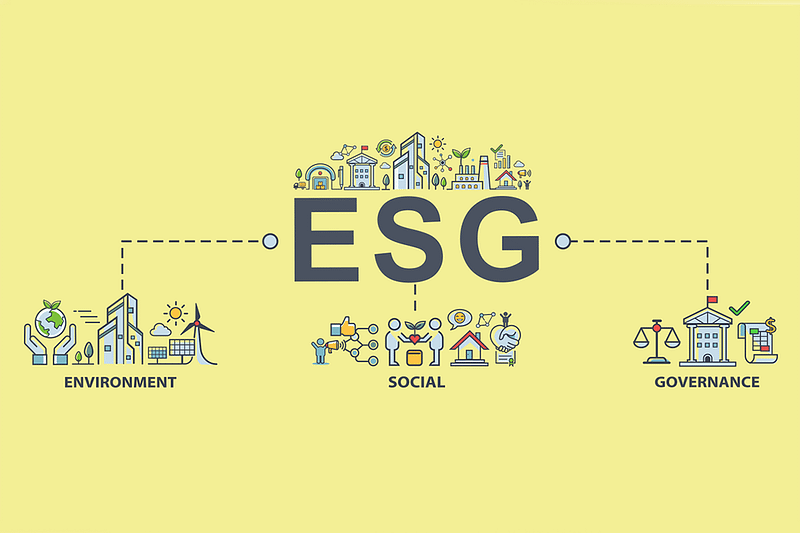
Nonprofit organizations play a vital and often unsung role in addressing some of the most pressing social and environmental challenges of our time.
While governments and corporations have their roles to play, nonprofits bring a unique blend of passion, grassroots engagement, and laser-focused missions that make them powerful agents of change.
In this article, we delve into the crucial role of nonprofits in addressing social and environmental issues.
Diverse Missions, Common Goals
Nonprofits come in various forms, ranging from community-based organizations to international NGOs, each with a specific mission and focus. However, they share common goals:
1. Social Justice: Nonprofits advocate for marginalized communities, striving to eliminate discrimination, poverty, and inequality.
2. Environmental Protection: Many nonprofits are dedicated to preserving ecosystems, combating climate change, and promoting sustainable practices.
3. Health and Wellness: Nonprofits work to improve public health, from fighting diseases to providing mental health support.
Advantages of Nonprofits
1. Local Expertise: Community-based nonprofits understand local needs and dynamics, allowing for tailored solutions.
2. Flexibility: Nonprofits can quickly adapt to emerging issues and innovative solutions without bureaucratic red tape.
3. Advocacy: They serve as advocates, raising awareness and pressuring policymakers and corporations to take action.
Impactful Initiatives
1. Humanitarian Aid: Nonprofits respond to disasters, provide relief, and offer long-term recovery support to affected communities.
2. Education: Nonprofits bridge education gaps, providing access to quality education and vocational training.
3. Conservation: Environmental nonprofits protect endangered species, conserve habitats, and promote sustainable resource management.
Collaboration with Other Sectors
Nonprofits often collaborate with governments and corporations:
1. Public-Private Partnerships: They engage in partnerships to leverage resources and expertise for maximum impact.
2. Advocacy and Lobbying: Nonprofits advocate for policy changes that benefit their causes, influencing public opinion and legislative action.
Challenges and Sustainability
Nonprofits face challenges, including:
1. Funding: Securing consistent funding to support operations and programs is an ongoing challenge.
2. Capacity: Balancing mission-driven work with organizational capacity can be daunting.
3. Advocacy Restrictions: Some nonprofits face legal limitations on advocacy and lobbying efforts.
The Future of Nonprofits
The role of nonprofits in addressing social and environmental issues remains essential:
1. Innovation: Nonprofits are incubators of new ideas and approaches, often leading the way in finding solutions to complex problems.
2. Crisis Response: They provide rapid response to crises, from natural disasters to public health emergencies.
3. Community Building: Nonprofits build social cohesion, fostering a sense of belonging and collective action.
Nonprofits are unsung heroes in the quest for a better world. They tirelessly work toward social justice, environmental protection, and the well-being of communities around the globe.
As we face unprecedented challenges, the role of nonprofits in addressing social and environmental issues remains pivotal. By supporting and collaborating with nonprofits, individuals, corporations, and governments can contribute to positive change and a more equitable, sustainable future for all.