
The Role of Individuals in Environmental Protection
The environment is a shared resource that sustains all life on Earth. Its health and stability are essential for the well-being of present and future generations. While governments, organizations, and policymakers play crucial roles in environmental protection, the actions of individuals also have a profound impact. In this article, we will explore the role of individuals in safeguarding the environment and discuss practical steps that everyone can take to contribute to a sustainable future.
1. Raising Awareness
Awareness is the first step towards action. Individuals can make a significant difference by staying informed about environmental issues, such as climate change, habitat loss, and pollution. This knowledge empowers individuals to engage in meaningful conversations, educate others, and advocate for policies that prioritize environmental protection.
2. Sustainable Consumption
The choices we make as consumers have far-reaching environmental consequences. Opting for sustainable products, reducing single-use plastics, and supporting eco-friendly businesses can reduce our ecological footprint. By choosing energy-efficient appliances and reducing water waste, individuals can also contribute to conserving vital resources.
3. Energy Conservation
Energy consumption is a major contributor to environmental degradation. Reducing energy use in our homes and workplaces through practices like turning off lights, using programmable thermostats, and unplugging electronic devices when not in use can lower greenhouse gas emissions. Supporting renewable energy sources like solar and wind power is another way individuals can promote a cleaner environment.
4. Waste Reduction
Excessive waste is a pressing environmental issue. Recycling, composting, and reducing waste generation are effective ways for individuals to minimize their impact on landfills and the environment. Choosing products with minimal packaging and practicing responsible disposal of hazardous materials are also crucial steps.
5. Conservation of Natural Spaces
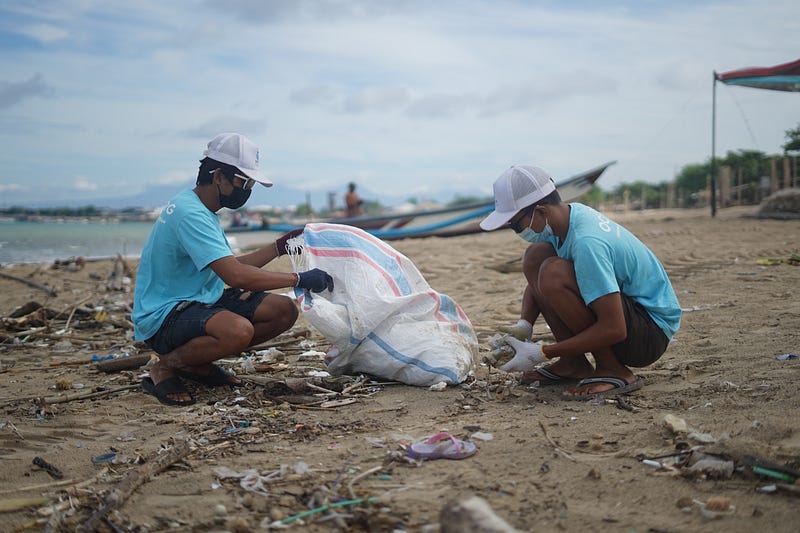
Protecting natural habitats and green spaces is essential for biodiversity and ecosystem health. Individuals can participate in local conservation efforts by volunteering for tree planting, wildlife habitat restoration, or park clean-up initiatives. Supporting organizations that work to preserve natural areas is another way to make a positive impact.
6. Sustainable Transportation
Transportation is a significant source of greenhouse gas emissions. Opting for eco-friendly modes of transportation, such as carpooling, biking, walking, or using public transit, reduces emissions and eases traffic congestion. The adoption of electric vehicles and the use of fuel-efficient driving practices also contribute to environmental protection.
7. Advocacy and Community Engagement
Individuals have the power to influence change through collective action. Joining environmental organizations, participating in community initiatives, and engaging with elected representatives can amplify individual voices and lead to policy changes that prioritize environmental protection.
8. Education and Outreach
Sharing knowledge and encouraging others to take action is a valuable role individuals can play in environmental protection. Organizing educational workshops, participating in environmental campaigns, and using social media to raise awareness can inspire others to become environmentally conscious.
9. Sustainable Food Choices
The food industry has significant environmental implications, from agricultural practices to food waste. Choosing locally sourced, organic, and sustainably produced foods can reduce the environmental impact of our diets. Reducing meat consumption and supporting plant-based diets can also contribute to lower greenhouse gas emissions.
10. Responsible Tourism
Tourism can both support local economies and harm fragile ecosystems. Responsible travelers can choose eco-friendly accommodations, respect local cultures, and minimize waste when exploring new destinations. Additionally, supporting wildlife conservation initiatives can help protect endangered species and their habitats.
Conclusion
Individuals play a crucial role in environmental protection. Through awareness, sustainable choices, responsible consumption, and active participation in conservation efforts, every person can contribute to a healthier planet. Environmental protection is not solely the responsibility of governments and organizations; it is a collective effort that begins with individuals taking meaningful actions in their daily lives.
In conclusion, individuals are powerful agents of change in the fight for environmental protection. By adopting eco-friendly practices and advocating for sustainable policies, we can collectively work towards a more sustainable and resilient future for our planet.


