
The Role of ESG Investing: Aligning Profit With Environmental And Social Values
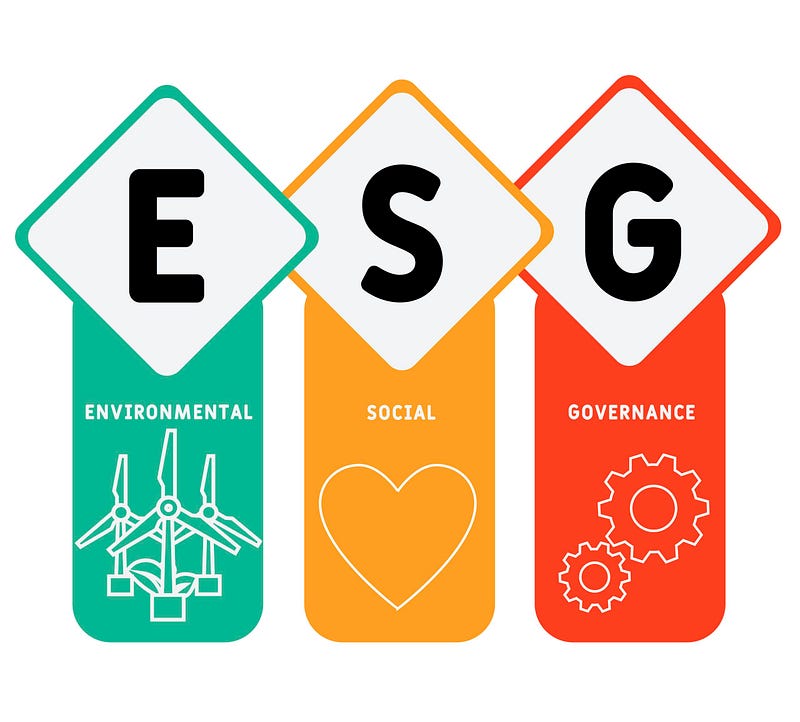
In recent years, a significant shift has occurred in the world of finance and investing. Investors are increasingly prioritizing environmental, social, and governance (ESG) factors when making investment decisions.
This article explores the growing role of ESG investing, its impact on financial markets, and how it aligns profit with environmental and social values.
Understanding ESG Investing
ESG investing refers to the consideration of environmental, social, and governance factors alongside traditional financial metrics when evaluating potential investments. These factors encompass a wide range of issues:
1. Environmental (E): Includes climate change, carbon emissions, resource conservation, and environmental sustainability.
2. Social (S): Encompasses issues like human rights, labor practices, diversity and inclusion, and community engagement.
3. Governance (G): Focuses on corporate governance, board diversity, transparency, and ethical business practices.
The Growth of ESG Investing
ESG investing has gained significant momentum in recent years for several reasons:
1. Global Awareness: Increasing awareness of pressing global issues like climate change and social inequality has led investors to seek ways to address these challenges through their investments.
2. Millennials and Gen Z: Younger generations are more likely to prioritize ESG considerations, influencing the investment landscape.
3. Financial Performance: Numerous studies suggest that companies with strong ESG practices often outperform their peers in the long run.
4. Regulatory Changes: Governments and regulatory bodies are introducing reporting requirements and standards for ESG disclosures.
The Impact on Financial Markets
ESG investing is reshaping financial markets in several ways:
1. Capital Allocation: Investors are directing capital towards companies that demonstrate strong ESG performance, encouraging businesses to improve their practices.
2. Risk Mitigation: ESG factors help investors assess and mitigate various risks, such as reputational, regulatory, and climate-related risks.
3. Long-Term Sustainability: ESG investing promotes the long-term sustainability of businesses and the global economy by encouraging responsible practices.
4. Innovation: The demand for sustainable solutions has spurred innovation in areas such as clean energy, green technology, and ethical supply chains.

How to Get Started with ESG Investing
1. Define Your Values: Identify the ESG issues that matter most to you and align your investment choices accordingly.
2. Research: Research ESG-focused funds and companies that meet your criteria.
3. Diversify: Consider building a diversified portfolio of ESG investments to spread risk.
4. Engagement: Engage with companies and fund managers to advocate for positive change in their ESG practices.
5. Stay Informed: Keep abreast of ESG news, trends, and developments in the investment landscape.
ESG investing is no longer a niche strategy but a powerful force driving positive change in the financial world. It allows investors to align their profit-seeking objectives with their environmental and social values.
As ESG considerations continue to influence investment decisions, they have the potential to transform industries, promote sustainability, and contribute to a more equitable and responsible global economy.
For additional tools and resource ➡️ Visit StartupStash Zendesk is giving $75,000 in credits and perks for startups! ➡️ Apply Now!


