The Role of Big Tech Companies in Modern Antitrust Debates
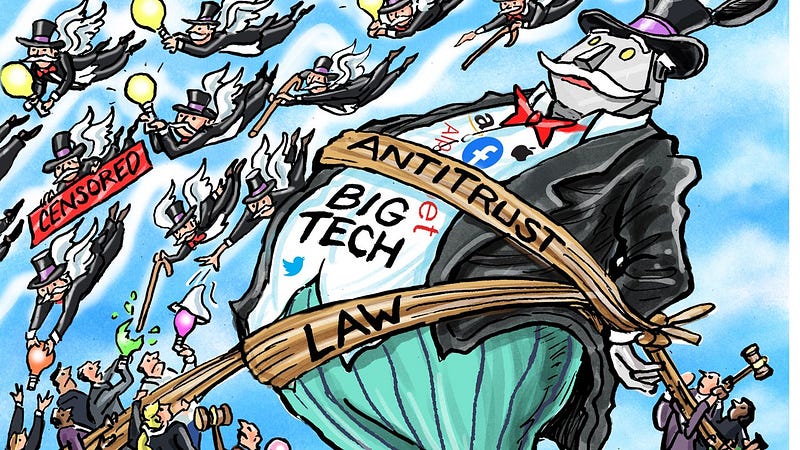
In the digital age, Big Tech companies have become synonymous with innovation, economic growth, and global influence.
Yet, they also find themselves at the center of a contentious and evolving debate around antitrust concerns.
This article delves into the role of Big Tech companies in modern antitrust debates, exploring the challenges and implications of their market dominance.
The Rise of Big Tech Giants
Big Tech refers to a handful of large, technology-focused companies that have attained substantial market power and influence. Prominent examples include Apple, Amazon, Google (Alphabet), Facebook (Meta Platforms), and Microsoft. These companies have experienced explosive growth, shaping the digital landscape and our daily lives.
Antitrust Concerns in the Digital Era
Antitrust laws are designed to promote fair competition and prevent monopolistic practices that could harm consumers, stifle innovation, or limit choice. In the digital era, several concerns have emerged:
1. Market Dominance: Big Tech companies often dominate their respective markets, raising questions about whether they engage in anti-competitive behavior.
2. Data Monopoly: Data is the lifeblood of the digital economy, and some Big Tech firms have amassed vast amounts of user data, potentially creating data monopolies.
3. Anti-competitive Practices: Allegations of anti-competitive practices, such as predatory pricing and self-preferencing, have drawn regulatory scrutiny.
4. Acquisitions: The acquisition of smaller competitors by Big Tech firms has sparked concerns about stifling competition and innovation.
The Role of Regulation and Antitrust Investigations
Antitrust investigations and regulatory actions have become more frequent in response to these concerns:
1. Government Inquiries: Regulatory bodies in various countries, including the U.S. Federal Trade Commission (FTC) and the European Commission, have launched investigations into Big Tech firms.
2. Lawsuits: High-profile lawsuits, such as the U.S. Department of Justice’s case against Google, underscore the legal battles around antitrust issues.
3. Proposed Legislation: Policymakers have proposed legislative changes to modernize antitrust laws and address digital-age challenges.
Big Tech’s Perspective
Big Tech companies argue that they have driven innovation, expanded consumer choice, and created jobs. They contend that their services are offered at little to no cost to users and that competition in the tech sector remains robust.
Antitrust Reform and Future Implications
The ongoing antitrust debate carries significant implications:
1. Market Competition: Reform efforts aim to preserve competitive markets, fostering innovation and preventing market domination.
2. Data Privacy: Addressing data monopolies may enhance user privacy and control over personal information.
3. Innovation: Encouraging competition can drive continued innovation and technological advancement.
4. Global Impact: The outcome of antitrust debates in major tech markets, such as the United States and the European Union, can influence global regulatory trends.
The role of Big Tech companies in modern antitrust debates is emblematic of the tension between innovation, market dominance, and the preservation of competitive markets.
As policymakers, regulators, and tech giants engage in these debates, the outcomes will shape the future of the digital economy.
Striking the right balance between innovation and competition remains a complex challenge, and the ongoing antitrust discussions are poised to have a lasting impact on the tech industry and consumers worldwide.