
The Rivalry of the Middle East
Re-building Iraq, Syria & Yemen on the graves of civilians
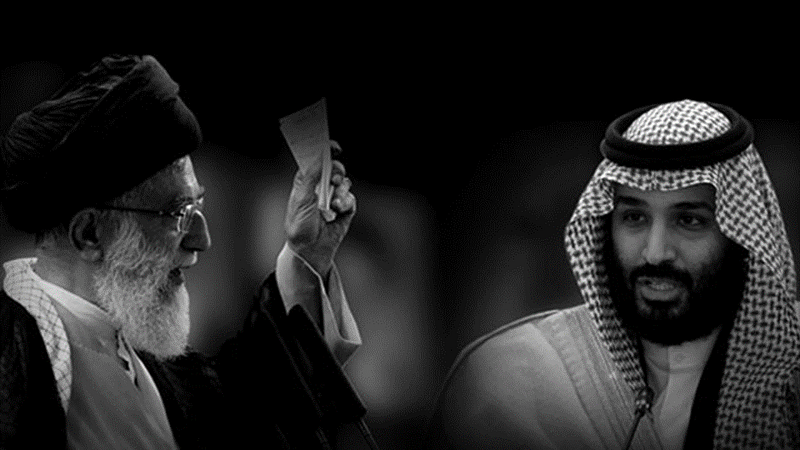
We talk of the Middle East; we start thinking of but obvious Saudi Arabia and Iran. It mainly happens because these giants have engaged in a proxy war for the last 40 years for dominance of power in the Middle eastern Persian gulf. A dangerous power struggle between the Islamic Republic of Iran and the Kingdom of Saudi Arabia for supremacy in modern-day economics and geopolitics control plagues the Middle East today.
Today's rivalry is primarily a political and economic struggle inflamed by religious differences and sectarianism in the region. Both countries exploit each other for geopolitical purposes as part of a more significant conflict. Iran primarily consists of Shia Muslims, while Saudi Arabia envisions itself as the leading Sunni Muslim power.
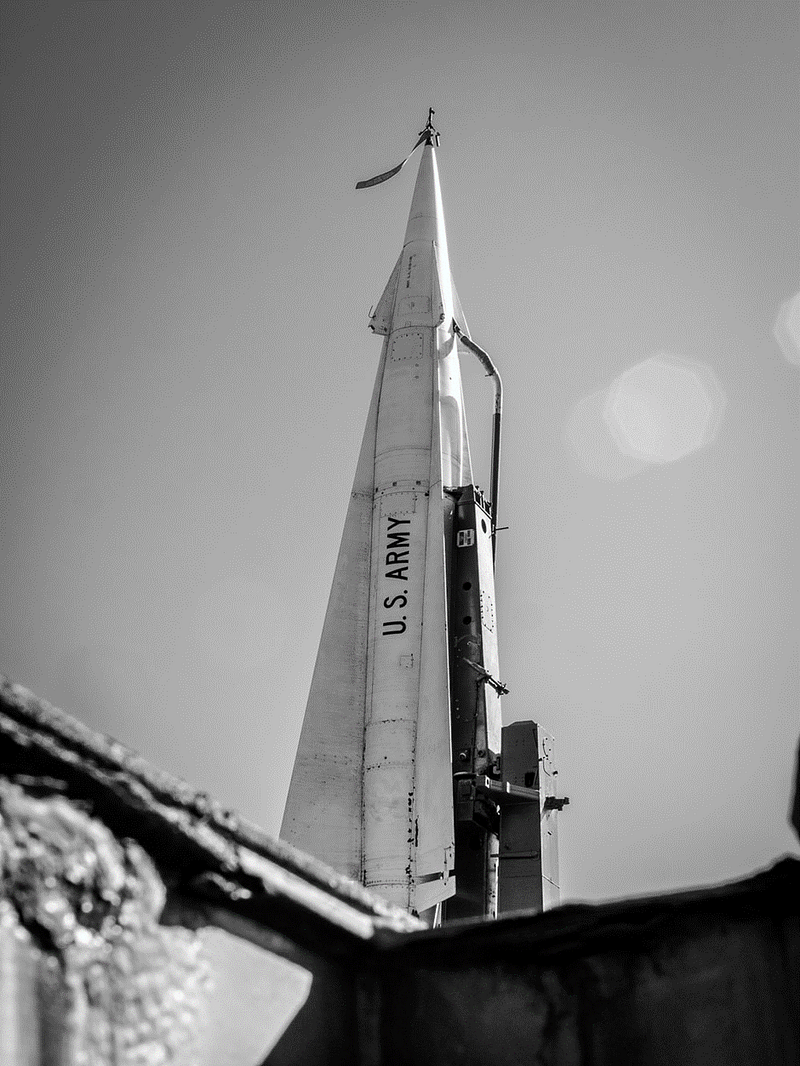
In many ways, this is a classic case equivalent of the Cold War, which pitted the U.S. to stand against the Soviet Union in an intense military impasse for years. However, Iran and Saudi Arabia have never fought or engaged directly but get involved in various proxy wars where they support rival sides and militias.
For clarity, Let's understand the history of this struggle from the 1979 Iranian revolution to the present day and understand how the two rivals played out in proxy wars from Iraq to Syria to Yemen and Lebanon.
The Iranian revolution
Forty years ago, Shiite Ayatollah Ruhollah Khomeini spearheaded a revolution that deposed a monarchy in Iran. In this place arose an Islamic republic.
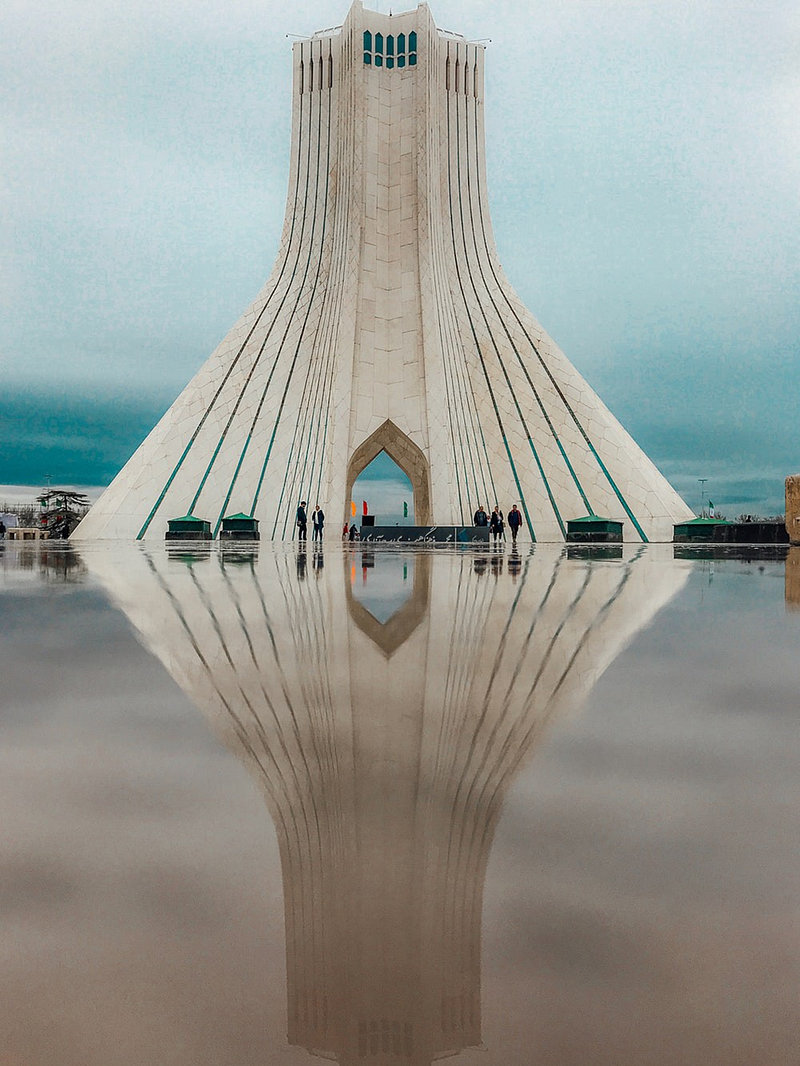
Mass demonstrations erupted in the shah's police state backed by Americans, and the CIA-backed coup of Mohammed Mossadegh's democratically elected government started the Iranian revolution in 1978. Iranians wanted FREEDOM from the repression of oil resource exploitation by the British and Americans. Ayatollah Khomeini rejected western domination to ignite the process for the Iranians. Khomeini's anti-American message of freedom evoked all-embracing support from both the Sunni & Shia sect of Muslims across the middle east.
Facing an army mutiny and terrorizing demonstrations against his rule, Mohammad Reza Shah Pahlavi, the Iran leader since 1941, forcefully flees his country. After fourteen days, the Islamic revolution's spiritual leader, the Ayatollah Ruhollah Khomeini, returned to control Iran after 15 years of exile. It was just the beginning of the colossal and massive rivalry between Shia Iran and Sunni Saudi Arabia.
Historically, Saudi Arabia has been a monarchy and the home place to the birth of Islam. As a result, they always saw themselves as the leader of the Muslim world. However, the Islamic revolution in 1979 in Iran challenged it, which created a new type of state ideology in the region — a revolutionary theocracy kind- that had an explicit and ultimate goal of exporting its model beyond its neighbouring borders.
Why Saudi Arabia and Iran do not get along?
Simple, Saudi Arabia and Iran are two powerful neighbours in the Middle East struggling for regional dominance. The decades-old feud between them is getting magnified by religious differences in the belief of two main Islam branches. Iran is predominantly Shia, and Saudi Arabia sees itself as the leading Muslim power for Sunni.
This rivalry brewing over the years has grown to an extraordinary level of hatred and enmity. So Well, where did this all come from?'
For decades, Iran and Saudi Arabia have been waging proxy wars for regional dominance and religious beliefs. This rivalry has dragged the region into chaos and ignited the Shia Sunni clashes across the middle east. From Syria and Yemen to the trial of strength in Iraq and Lebanon has only sharpened the enmity.
Nevertheless, were Iran and Saudi Arabia always enemies?
Before 1979, Iran and Saudi Arabia shared excellent diplomatic relations since both were backed and governed by western monarchs. The shah of Iran — Mohammed Reza Pahlavi, visited Saudi Arabia in 1978. Unfortunately for him, everything started changing months later. "Death to the Shah" started echoing in Iran. The root cause takes us back to the beginning of the 1979 Iranian revolution. The shah of Iran was toppled only to be taken over by Ayatollah Khomeini, who had just returned from 15years of exile. More than a million Iranians welcomed Khomeini with a triumphant and tumultuous excitement in Tehran.
The return of Khomeini was the turning point in the Saudi-Iranian relationship. Saudi Arabia has been the Sunni world's self-proclaimed leader since ever was alarmed at the beginning and presence of an Islamic revolution in the middle eastern region. Saudi Arabia was a monarchy openly opposed by Khomeini, stating it as un-Islamic. He tried to compare parallels between the shah of Iran and the Saudi monarchy. He was extremely hostile towards the western-backed governments, particularly the USA, which was an essential ally for the Saudis. A CIA report of 1980 revealed that Iran was trying to export the Islamic revolution to the neighbouring countries.
The fear of the spread triggered a series of events. In qatif, home to a Saudi Shia majority, protesters took the street calling for reforms with Khomeini pictures, eventually leading to a violent crackdown by security forces killing and arresting hundreds. The GCC created between six gulf monarchies as an alliance in 1981 acted as a unified regional, political, and security front against the Iranian revolution threat.
1980–1988 the war of Iran -Iraq
The Iraqi president Saddam Husein had invaded Iran over fears that the Shia majority of his country Khomeini's revolution would influence Iraq. Saddam wanted to be the undisputed Big Dog of the region; he wanted complete control of the shattal-al-Arab waterway bordering Iran and Iraq. Shattal-al-Arab was a disputed territory for centuries and Iraq's only access point to the Persian Gulf waters. Saddam, a Sunni Muslim ruler of a Shia majority state, wanted to check on them. The Iraqi Shiites had started to feel empowered by the Iranian revolution across the border in Iran. The issues that had divided the two nations included national rivalry and disputes over frontiers. For Saddam Hussein, the war's purpose was overthrowing Khomeini before Iraq overthrew him. In the first month of the war, the Iraqis occupied almost 10,000 sq miles of Iranian territory. However, the Iranian resistance was much more stringent, and Iraqi casualties higher than anticipated. Between November 1981- May 1982, Iran had mounted a couple of counter-attacks that placed Iraq o the defensive side. The war was primarily fought on Iraqi soil for the next six years, assuming Baghdad would fall any time. However, for most of the war, the conflict resulted in a dreary war of attrition that resulted in severe casualties. In 1984, the war spread to the Persian Gulf when Iraq attacked every tanker bound for Iranian ports. Iran retaliated with attacks against ships that traded with Kuwait, Saudi Arabia, Iraq's major gulf allies.
Kuwait and Saudi Arabia supported Iraq by supplying 50–60 billion dollars assistance. The soviet union provided weapons to Iraq and Western powers backing Baghdad throughout the war. France, which was involved in large projects in Iraq, provided Saddam with planes, jets, and missiles. The U.S. also pressured its allies not to sell weapons to Iran and campaigned for an embargo on Iranian soil. Emboldened by Arab and Western allies, Hussein used nerve agents against Iranian troops — considered a crime against humanity by Iran. The CIA was aware of his actions but did not anticipate an international outcry.
The U.S. also reinforced its naval presence in the gulf, thereby directly engaging in military actions against Iran. For the USA, in the 1980s, the demon of the middle east was Khomeini, not Saddam Hussein. Nothing happened; both the leaders of Iran and Iraq remained in power, and over half a million people died in vain.
In 1982, two years into the Iran -Iraq war, Saudi Arabia decided to provide military and finance support to Saddam Hussein, further escalating the tension and rivalry between Riyadh and Tehran. Then, when Iranian civilians held anti-American demonstrations, Mecca became a site of unprecedented violence, leading to clashes between Saudi forces and stampedes, killing more than 400 people. Subsequently, Saudi suspended all its relations with Iran for three years; over the next three decades, both these countries have had their share of ups and downs.
1988 the war continues Khomeini agreed to a cease-fire in 1988; Iranians saw the revolution's survival as a victory in its own right. Six years earlier, he had refused to capitulate unless Iraq took responsibility for the war. He resented Saudi Arabia for supporting Hussein.
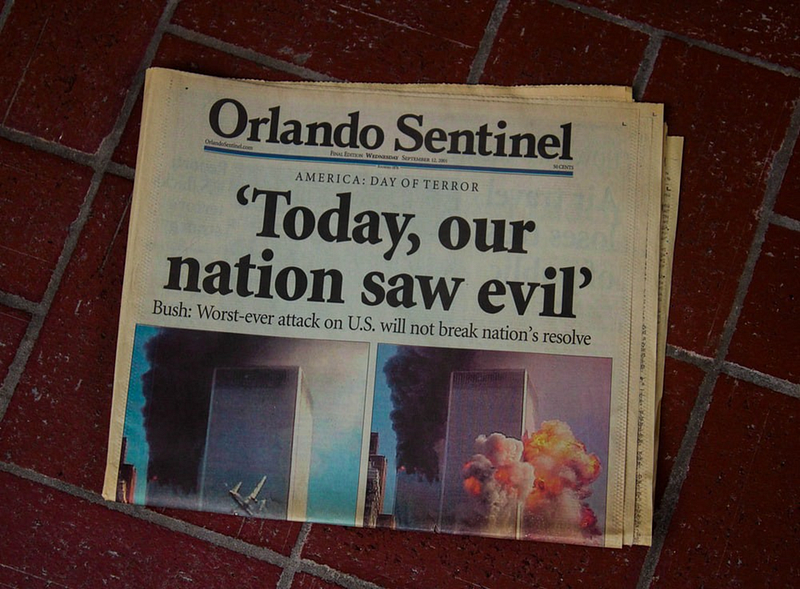
2009 bought the aftermath of horrific 9/11, Saudi Arabia opposed military action against Iraq, concerned that the state would collapse and Iran would take over. U.S.-Saudi relations were tense and American troops invaded Baghdad. However, the U.S. failed to understand Sunni-Shia's antagonism. Hussein's fall exposed the Shia majority. Imams exiled in Iran returned to Baghdad. Iranian leaders saw the U.S. as doing them a favour by removing Hussein. The action dumbfounded Saudi leaders. While Saudi Arabia supported Sunni resistance, Iran held a more significant influence over the Shia majority. See how the government's management of Hussein's execution fanned sectarian flames and rallied Sunnis worldwide to support the former dictator.
The 2011 Arab spring changed the geopolitical dynamics with the fight for dominance in the middle east.
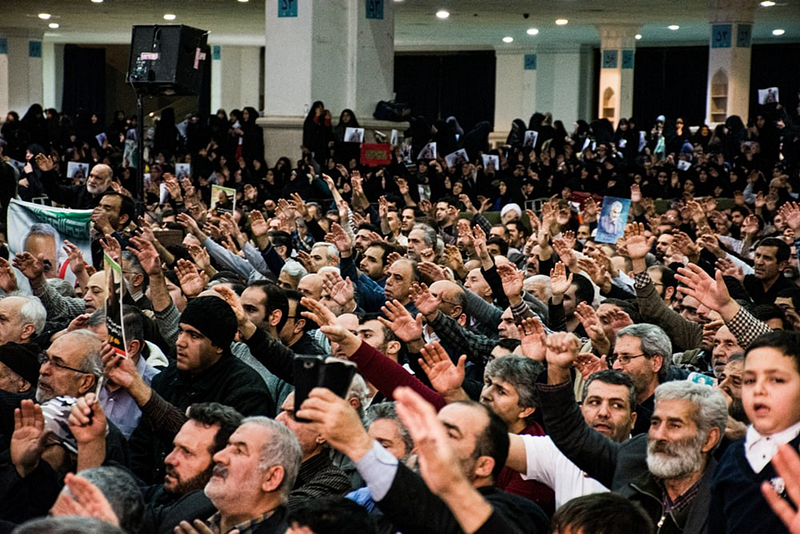
2011 Arab spring
During the Arab spring, both countries supported opposing sides in the regional conflict. Iran openly spoke in support of revolutions in Egypt, Tunisia and Bahrain. The Saudis shared favourable relations with Sunni dictators. The two powerhouses were on opposing sides when the course reached Syria. This time Saudi backed the opposition, and Iran supported the Assad regime. Syria's Bashar al Assad was always an essential ally for Iran because he is from a minority Shia sect and rules over a majority Sunni sect. Iran, what may come, wanted to keep the Syrian regime in power at all costs. Since 2011 it has supported the Syrian government with weapons, ground troops, and training.
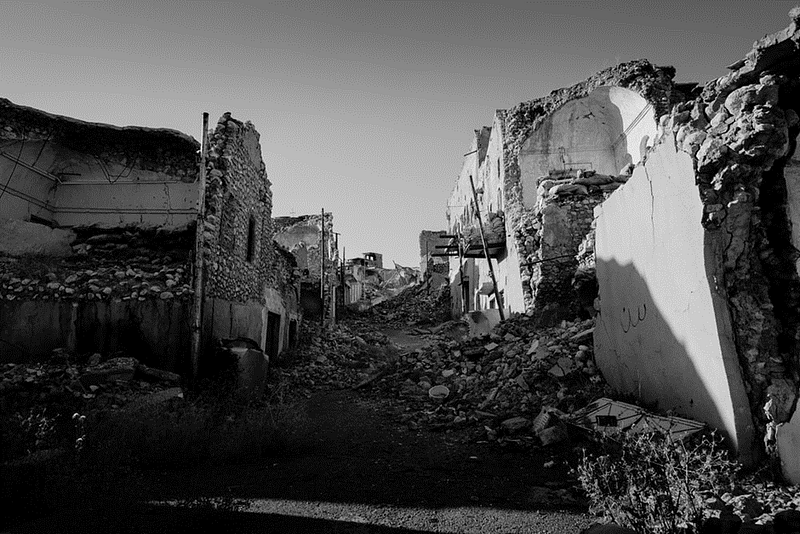
On the other hand, Saudi Arabia continued to back the rebels and military defectors. Seven years later, the proxy war has had devastating effects on the civilians, with 6million Syrians displaced and 5 million refugees, and more than half a million killed. Moreover, Saudi Arabia's efforts to curb Iran's influence in Syria have failed as the regime controls most of the region.

The War of Yemen
The Saudi led coalition is engaged in a bitter fight against Iranian backed Houthi rebels, mostly Shias. It has drawn the country to the saddest state of a humanitarian crisis, wherein thousands of people have died since the conflict's beginning. More than 23 million Yemenis require extreme human necessities. While Iran supplied the Houthis with weapons, Saudi Arabia has intervened with direct military action by launching more than 18000 airstrikes, imposing a blockade of critical aid from entering its northern parts. While the cold war between Iran and Saudi Arabia has adopted its most important Yemen position, few other countries remain spared.
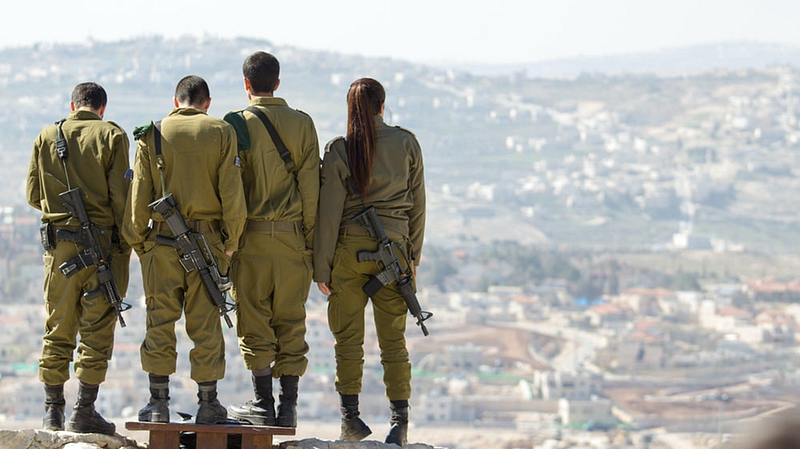
Iraq, Lebanon & Bahrain
In Iraq, Lebanon and Bahrain, Iran & Saudi Arabia play a critical role by supporting government and political parties along sectarian lines.
The most intoxicating part is that Iran and Saudi Arabia have never engaged in a confrontation; their proxy war battle in the middle east continues only to escalate. Yet, it does matter because the middle east war will never end in coming sight only to have us witness more devastation and humanity shredded to dust.


