
The rise of regenerative agriculture: Can soil save the planet?
In the face of climate change and dwindling resources, the way we produce food is coming under increasing scrutiny. Conventional agriculture relies on chemical fertilizers and pesticides and is associated with many environmental problems such as land degradation, water pollution and biodiversity loss. But the development movement has a solution: regenerative agriculture.
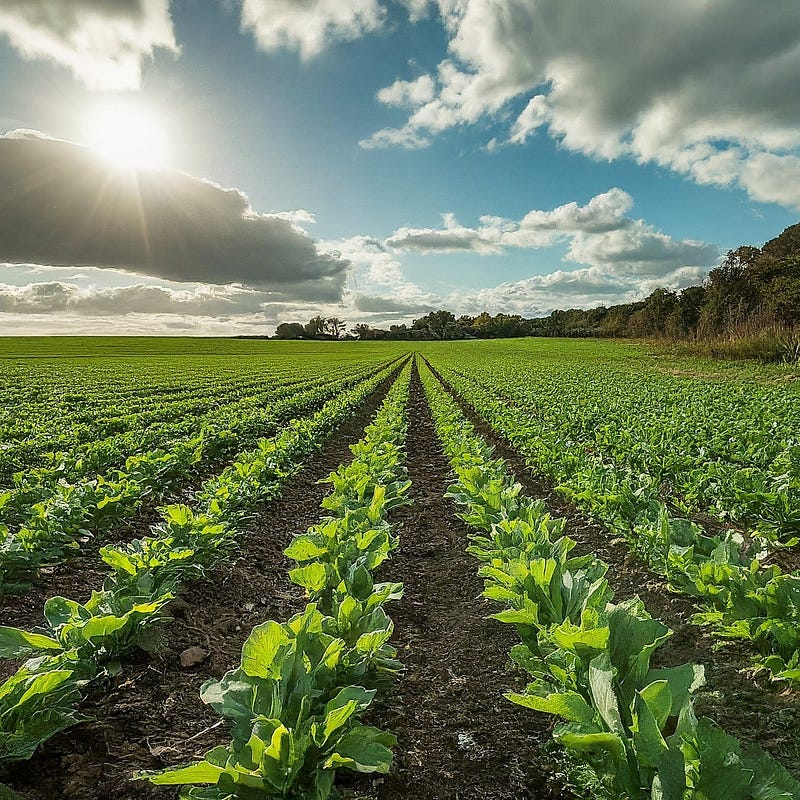
Regenerative agriculture is a process designed to improve soil health, biodiversity and overall ecosystem function. It focuses on creating organic matter, reducing tillage and integrating livestock into agriculture.
These practices can provide many benefits, including:
Improving soil fertility and water retention: Healthy soils can hold more water and nutrients, making crops more resilient to drought and increasing yields. Reduce greenhouse gas emissions: Sustainable practices can reduce climate change by capturing carbon monoxide from the atmosphere and storing it in soil. Promote Biodiversity: Healthy soil supports a variety of organisms, from bacteria to insects and birds, that play important roles in a healthy ecosystem. Improving food quality: Research shows that food grown using sustainable practices can be more nutritious and tastier.
The benefits of regenerative agriculture are attracting the attention of farmers, scientists and policy makers worldwide. Some countries, including France and the Netherlands, have established national programs to support these practices. In the United States, many companies and organizations are working to promote agriculture, such as the Rodale Institute, the Soil Health Institute, and Patagonia.
However, widespread adoption also brings challenges. Transitioning to renewable practices may require significant changes in agricultural management and the associated costs can be high. Additionally, the long-term benefits of these practices may not be clear, making it difficult for farmers to change.
Despite the challenges, the potential rewards of regenerative agriculture are too great to ignore. By investing in soil health, we can not only produce healthy food, but also reduce climate change, protect biodiversity and create long lives for everyone.
What can we do ?
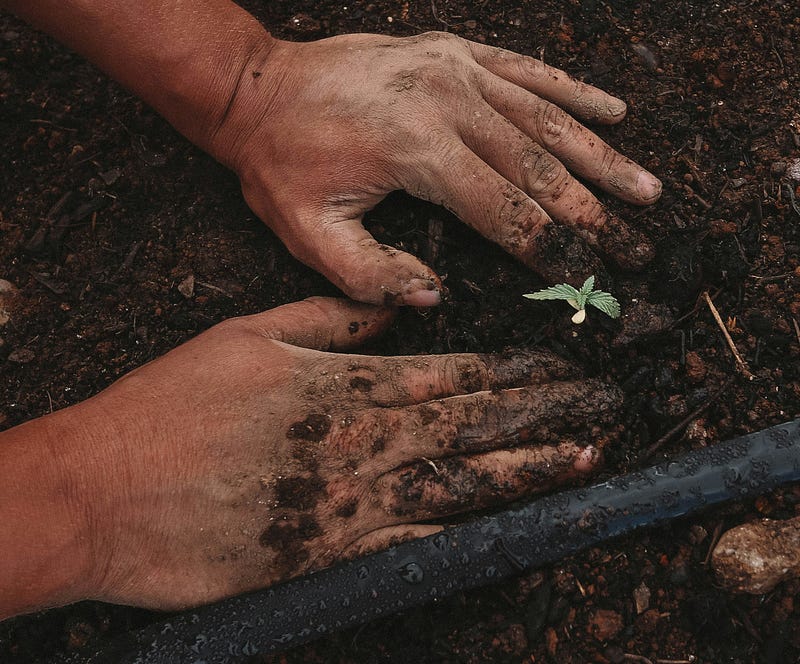
Support farmers using new practices. When shopping for groceries, look for labels like “Certified Regenerative Organic” or “Biodynamic.” Learn more about regenerative agriculture and share your knowledge with others. Advocate of policies that encourage recycling. Together we can help make agriculture sustainable and create a healthier world for everyone.
I hope this blog post gives you a better understanding of sustainable agriculture and its potential to help the world. Please share your thoughts and questions in the comments below!


