

The Rise of Online Work: Shaping the Future of Employment:
In recent years, the landscape of employment has undergone a profound transformation with the advent of online work. Enabled by digital technologies and the internet, online work has emerged as a viable and often preferred option for both workers and employers. This shift has not only redefined traditional notions of employment but has also opened up new opportunities and challenges in the global workforce.
The Evolution of Online Work:

Online work encompasses a broad spectrum of activities and industries, ranging from freelance writing and graphic design to virtual assistance, software development, and beyond. This evolution has been facilitated by several key factors:
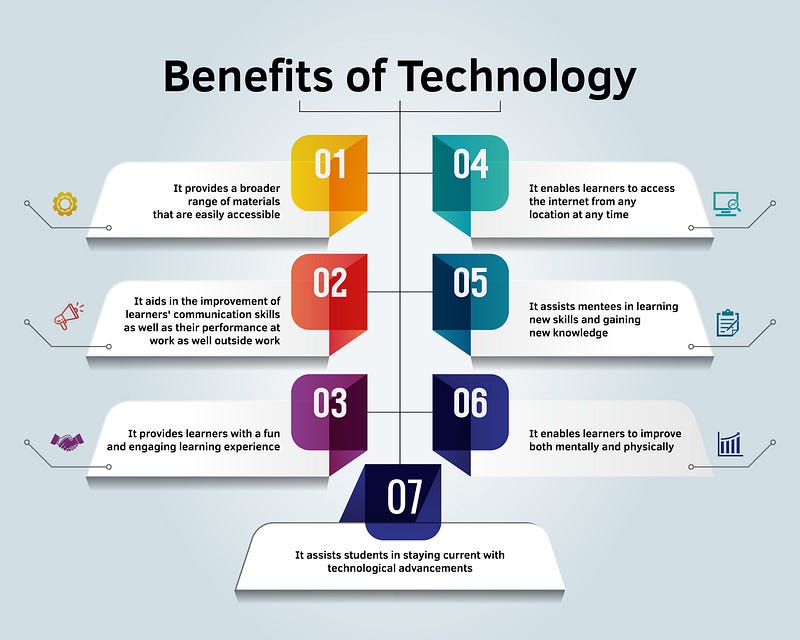
-Advantages of Technology:
The proliferation of high-speed internet, cloud computing, collaboration tools, and online marketplaces has made it easier than ever for individuals to connect and collaborate across geographical boundaries.
1 .Changing Attitudes Toward Work:
Many individuals seek flexibility and autonomy in their careers, preferring to work remotely and on their own terms. Online work offers the freedom to set their own schedules and choose projects that align with their interests and skills.
2. Globalization of Talent:
Online platforms have democratized access to talent, allowing businesses to tap into a diverse pool of skilled professionals from around the world. This globalization of talent has enabled greater collaboration and innovation across borders.
Benefits of Online Work:

The rise of online work has brought forth numerous benefits for both workers and employers:
1. Flexibility:
Online work allows individuals to work from anywhere, whether it's the comfort of their homes, a co-working space, or a coffee shop. This flexibility enables workers to better balance their personal and professional lives.
2. Diverse Opportunities:
Online platforms offer a wide array of job opportunities across various industries and skill sets. From short-term gigs to long-term contracts, workers have the flexibility to explore different roles and projects.
3. Reduced Overhead Costs:
For employers, online work often translates to lower overhead costs associated with maintaining physical offices and infrastructure. This cost-effectiveness allows businesses to allocate resources more efficiently and scale their operations as needed.
4. Access to Global Talent:
By embracing online work, businesses can access a global talent pool and leverage specialized skills and expertise that may not be available locally. This diversity of talent fosters innovation and competitiveness in the marketplace.

Challenges and Considerations:
While online work offers numerous benefits, it also presents unique challenges and considerations:
1. Work-Life Balance:
The boundary between work and personal life can become blurred in the online work environment, leading to potential burnout and stress. Setting boundaries and establishing a healthy work-life balance is essential for overall well-being.
2. Security and Privacy Concerns:
With the digital nature of online work comes inherent risks related to data security and privacy. Both workers and employers must prioritize cybersecurity measures to protect sensitive information and mitigate potential threats.
3. Income Stability:
Online work can be unpredictable, with fluctuations in project availability and income levels. Freelancers, in particular, may face challenges in maintaining a steady stream of work and income.

4. Communication and Collaboration:
Effective communication and collaboration are essential for successful online work relationships. Leveraging digital tools and platforms for clear and timely communication can help overcome barriers associated with remote work.

The Future of Work is Online:
As technology continues to advance and the demand for remote collaboration grows, online work is poised to play an increasingly prominent role in the future of employment. The ability to work flexibly, access global talent, and leverage digital platforms for collaboration will continue to reshape the way we work and do business.
However, realizing the full potential of online work requires a collective effort from policymakers, businesses, and workers to address the challenges and harness the opportunities it presents. By fostering an environment that prioritizes innovation, inclusivity, and adaptability, we can navigate the evolving landscape of online work and unlock its transformative potential in the years to come.


