
The Rise of Environmental Anxiety
How indigenous communities are suffering from mental health illnesses
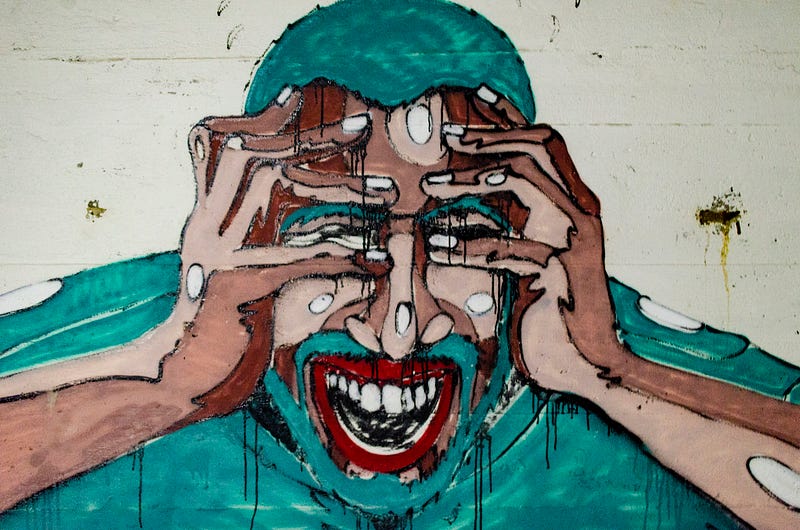
Eco-anxiety, although not currently considered a medical condition, is defined by the American Psychological Association as a “chronic fear of environmental doom.”
The difficulty in categorising such a condition comes from the many ways in which it can be expressed. Some people have everyday episodes of grief and despair, others exhibit sudden panic attacks while some have even made the big decision to not have children because they believe it may be unethical due to future quality of life.
Regardless of its expression, eco-anxiety is having sustained effects on emotional wellbeing and prevalence has increased since the eye-opening Intergovernmental Panel on Climate Change report was released in October of 2018, highlighting the severity of our current situation.
The Yale Program on Climate Change Communications found that 70 per cent of Americans are “worried” about climate change, with 59 per cent feeling “helpless.”
These numbers reflect psychologists’ concerns about a dramatic rise in the number of patients displaying such symptoms, with many of them calling for a greater focus on understanding the links between climate change and mental health.
Although the constant flow of bad news is causing this rise in people across the world, one of the best-studied areas in the eco-anxiety field of study is that of indigenous groups, especially the Inuit and Sami populations.
This makes sense, such groups are reliant on the land, sea and Arctic to continue their traditional lives and are therefore on the frontlines of a changing climate.
The Sami have inhabited the Arctic region of Northern Europe for millennia and their entire culture and identity is based upon self-sufficiency, largely due to the herding of reindeer. They move between seasonal grazing grounds, but climate change is increasingly threatening this way of life.
The Arctic is warming at almost twice the rate of the global average, causing many problems. Firstly, precipitation is, more and more often, falling as rain rather than snow, causing the formation of thick ice and making it very difficult for reindeer to reach the food beneath.
In the space of a few days in 2013, over 60,000 reindeer died. Poor nutrition for female reindeer leads to lower chances of survival for their calves. This is disastrous for the Sami as they not only provide their income but also their entire way of life.
Concerningly, this also creates enormous pressure on the legal framework that protects the Sami. A 2019 report by the Environmental Justice Foundation (EJF) notes that laws protecting the rights of the Sami as indigenous people state that reindeer herding must be practiced. Therefore, not only their livelihoods but also their basic human rights are at risk.
The same report added that these issues — alongside a deteriorating ecosystem, rapidly disappearing land, melting permafrost and the threat of cultural loss — are causing mental health issues in previously unseen numbers. “Half of Sami adults in Sweden suffer from anxiety and depression, and one in three young indigenous reindeer herders have contemplated suicide.”
It’s a similar story with Inuit communities.
The APA studied five Inuit communities in Canada and discovered several consequences for group and individual well-being. Many reported the increased use of drugs and alcohol to fill the empty time that would normally be used for land-based activities.
Losing control over the traditions that have defined their lives for centuries has led to a loss in cultural identity and feelings of low self-worth. Many cite climate change as compounding existing stressors by “removing a source of healing, cultural strength, food security and autonomy.”
The rapidly increasing numbers of those suffering from depression, anxiety and even suicide are highlighting the impact of a warming world on the psyche.
Climate change is rapidly becoming a burden on global health systems, not just from the physical injuries associated with environmental disasters but also the psychological toll on those on the frontline.
It is vital that we continue to further our understanding of how climate change weighs on our psyche, otherwise, we will potentially face a mental health crisis.


