
The Rise of ChatGPT: Will the Future of Content Creation Be AI?
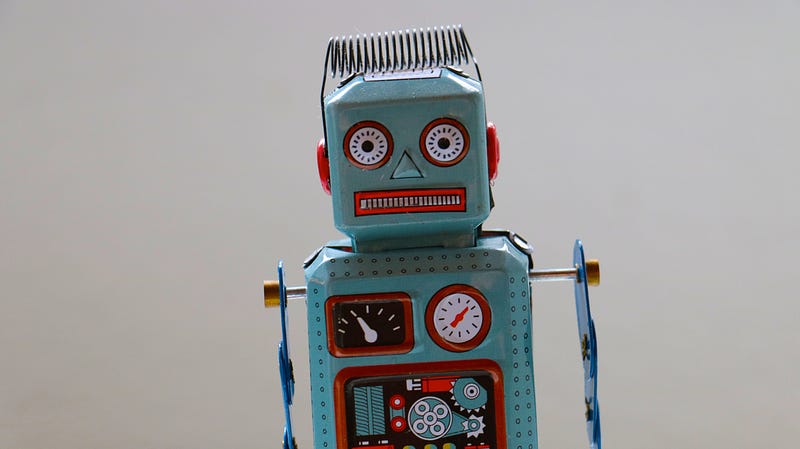
Before we dive into the impending doom of humanity caused by sentient AI copywriting programs and flee to the hills in fear, let’s take a moment to ponder the more immediate effects of these nefarious AI content creation tools on the creative landscape. But don’t worry, folks, there’s still 5 whole years until the robot uprising, so we’ve got plenty of time to enjoy the machine-generated cat videos we will soon be inundated with — I’m sure it will be entertaining and extremely addictive.
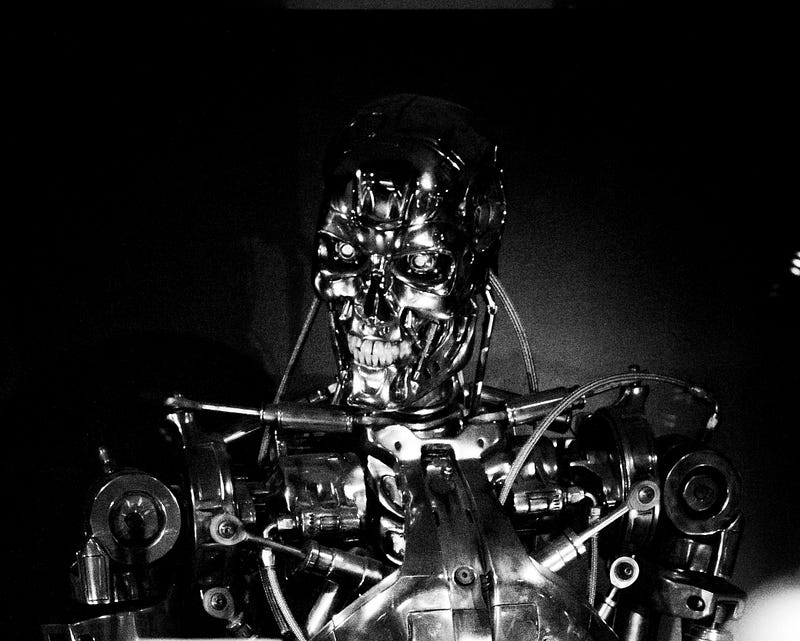
But all kidding aside, thanks to ChatGPT and others, the future is now. There’s no need to wait for it to arrive; it’s already here. These are valuable tools that may aid our creative process, but we must be mindful of certain potential drawbacks. ChatGPT is gaining popularity as a result of its numerous beneficial features. It, like Google, may become a new verb as more people become aware of its applications. Who knows, maybe one day we’ll start saying “Just ChatGPT it!” or exclaiming “Oh Chat!!!” when we discover something new.
Automation taken too far
These programs were designed to help us save time by automating the tedious tasks, which is useful because it frees us to do more important tasks. The drawback is that when the computer is doing everything, it leads us to wonder if our creation process itself is just a series of repetitive tasks randomly jumbled together for the illusion of variety.

Some downsides
As the use of AI for content creation becomes more prevalent, it’s important to consider the downsides. One of these is the homogeneity of the content produced, as the algorithm will tend to favor popular content and eventually create a closed loop of repetition.
Another common concern we often hear is that writers, journalists and creators will lose their jobs as AI takes over their tasks. Writer’s block could be a thing of the past, but then so will the writer. The next logical step would to replace all the readers as well. Hey, why stop when you’re ahead? Unfortunately, as firms optimize for profit, there will always be a preference for robots over humans if it can perform the same work for less money. “Oooh Chat!”
But the saddest part of this dependence on AI will be the loss of the human touch and creativity that come with human-generated content. And the quality and originality of the content produced may also suffer because, as mentioned above, it’s a closed loop with no human intervention. When we rely too much on AI to make content, we give up our ability to be creative.

Summary
In short, the use of AI for content creation has both potential benefits and downsides. On the positive side, it can help automate repetitive tasks and save time for content creators. It’s important to think about these possible problems and work smart as we forge our path to a better future. For that we need to do what humans do best: pause, think and create.
I hope you found this article enjoyable. If you would like to show your support for my work as a writer, becoming a member on Medium is a great way to do so. For just $5 a month, you will have unrestricted access to all of my articles, as well as those written by other talented individuals. Thank you for considering!
More content at PlainEnglish.io. Sign up for our free weekly newsletter. Follow us on Twitter, LinkedIn, YouTube, and Discord.
Interested in scaling your software startup? Check out Circuit.