
The Rise of Analog AI Chips: A Paradigm Shift in Artificial Intelligence Hardware
Introduction
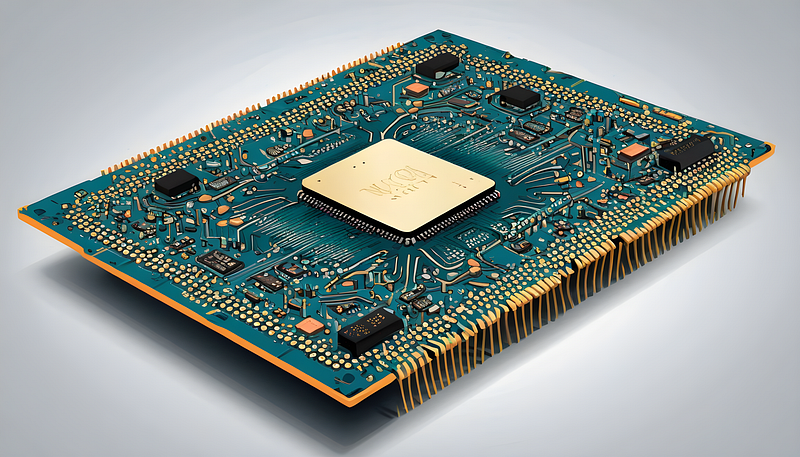
In recent years, artificial intelligence (AI) has witnessed a paradigm shift in hardware development, with a growing focus on Analog AI chips. Traditionally, digital processors have been the backbone of AI computations, but the unique advantages offered by analog computing have spurred a renewed interest in this alternative approach. This research note explores Analog AI chips’ key characteristics, applications, and challenges.
Characteristics of Analog AI Chips
Analog AI chips differ from their digital counterparts in the way they process information. Unlike digital processors that use binary code (0s and 1s), analog chips operate on continuous voltage signals, allowing for a more nuanced and energy-efficient computation. The constant nature of analog signals enables parallel processing, mimicking the parallelism observed in the human brain and enhancing the overall efficiency of AI algorithms.
One notable feature of Analog AI chips is their ability to perform certain computations, such as matrix multiplications and signal processing, with exceptional speed and energy efficiency. This capability makes them particularly well-suited for applications like image and speech recognition, where processing vast amounts of data in real time is crucial.
Applications of Analog AI Chips
Analog AI chips have found applications across various domains, showcasing their versatility and potential impact on the AI landscape. One prominent application area is edge computing devices, where the ability to process information locally and quickly is essential. Devices like smart cameras, sensors, and Internet of Things (IoT) devices benefit from Analog AI chips’ low power consumption and high-speed processing capabilities.
Moreover, Analog AI chips play a crucial role in neuromorphic computing, a field that aims to design hardware that mimics the structure and function of the human brain. The analog nature of these chips allows for the emulation of synaptic connections, enabling the development of AI systems with improved learning and adaptation capabilities.
Challenges and Considerations
While Analog AI chips offer promising advantages, they also face challenges that must be addressed for widespread adoption. One significant challenge is the precision and reliability of analog computations. Digital processors are known for their high precision, which is crucial in certain AI applications. Analog circuits, on the other hand, are susceptible to noise and variations, requiring sophisticated design techniques to ensure accuracy.
Another consideration is the programming complexity associated with analog systems. Traditional digital programming languages may not directly apply to analog computing, necessitating the development of new programming paradigms and tools. Overcoming these challenges will be essential for realizing the full potential of Analog AI chips in practical applications.
Future Outlook
As researchers and engineers continue to address the challenges associated with Analog AI chips, the future looks promising for this emerging technology. The potential for energy-efficient, high-performance computing aligns well with the growing demand for AI solutions across various industries. The development of specialized algorithms and software tools for analog computing, coupled with advancements in chip design, is expected to drive the integration of Analog AI chips into a broader range of applications.
Conclusion
Analog AI chips represent a groundbreaking development in artificial intelligence hardware. Their ability to process information continuously and energy efficiently opens new possibilities for AI applications, especially in edge computing and neuromorphic computing. While challenges exist, ongoing research and innovation are expected to overcome these hurdles, paving the way for Analog AI chips to play a significant role in the future of artificial intelligence.
#analogchips #artificalintelligence #technology #science #computing #learningandgrowing
Follow me at https://www.linkedin.com/in/gibabu/ for similar learnings.