
The Rise and Fall of Neumorphism: A Design Trend’s Fleeting Moment in 2023
Exploring the Factors Behind Neumorphism’s Brief Reign and the Lessons Learned for Future UI Design Trends
What is Neumorphism?
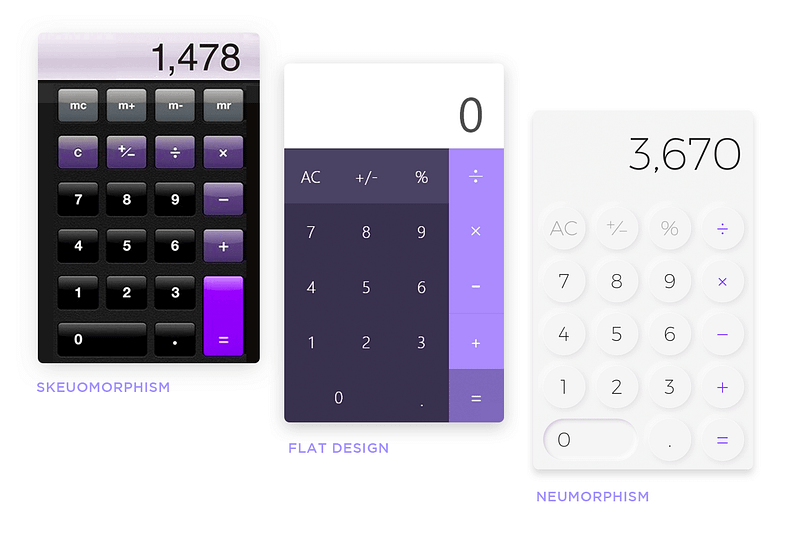
Neumorphism (or “New Skeuomorphism”) is a relatively recent design trend that combines elements of flat design and skeuomorphism. It emerged as a potential successor to flat design, which became popular in the early 2010s. Neumorphism seeks to bring back some depth and realism to user interfaces while maintaining the simplicity and clean aesthetics associated with flat design.
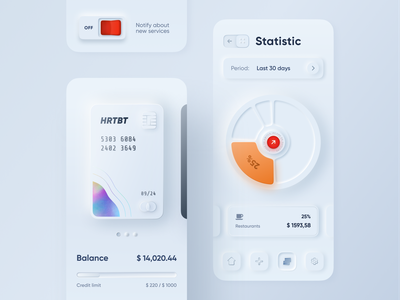
Neumorphic Design Features:
- UI elements in neumorphic design: buttons, toggles, cards
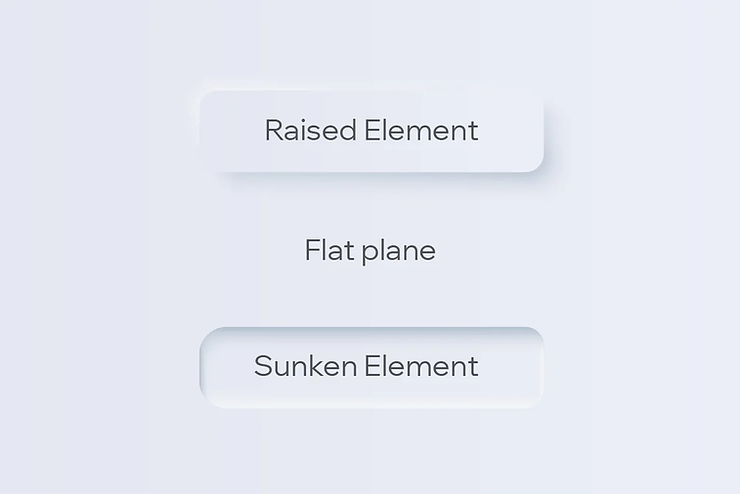
- Soft, semi-3D appearance
- Created using subtle shadows, highlights, and gradients
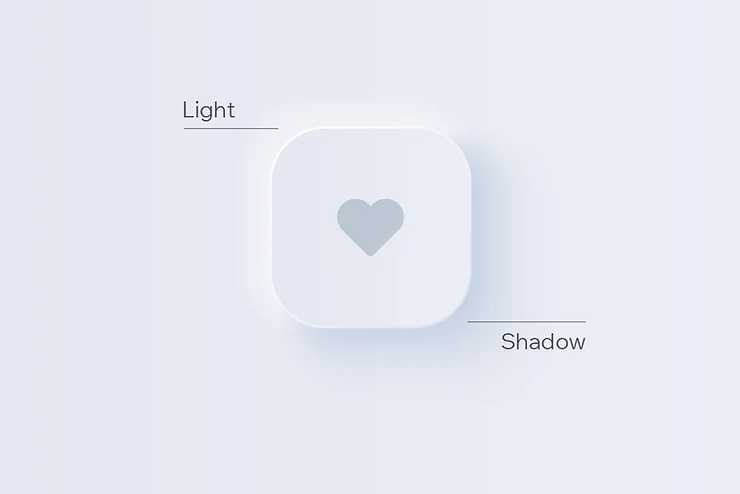
- Two shadows used: one light, one dark
- Light shadow: top-left corner
- Dark shadow: bottom-right corner
- Illusion of depth, as if UI elements are extruded from the background
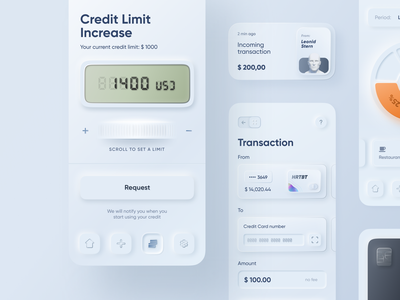
Neumorphism relies on a monochromatic color palette, usually with a single hue and varying shades. This minimal color usage helps maintain the simplicity and cleanliness associated with flat design.
How The Trend Emerged
The term “neumorphism” became more widely known after a 2019 Dribbble post by designer Oleksandr Plyuto, who showcased a UI concept using this design approach. However, it’s important to note that similar design elements had been explored by other designers before Plyuto’s post. The trend gained momentum as more designers started adopting the style, sharing their work on platforms like Dribbble and Behance, and discussing the pros and cons of neumorphic design.
Neumorphism does not have a single creator, as it evolved organically within the design community as a response to both flat design and skeuomorphism. It’s a collective trend that has emerged through the work and contributions of multiple designers experimenting with new aesthetics and approaches.
Pros & Cons
Some benefits of neumorphism include:
- Aesthetic appeal: Neumorphic designs can be visually pleasing, offering a fresh and modern look that combines the best of flat design and skeuomorphism.
- Intuitive user experience: The soft, 3D appearance of neumorphic elements can make them more recognizable and easier to interact with, providing a more intuitive user experience.
However, there are also some criticisms and challenges associated with neumorphism:
- Accessibility concerns: The subtle differences in color and shadow can make it difficult for some users, particularly those with visual impairments, to distinguish UI elements. This may lead to accessibility issues.
- Limited color palette: Neumorphism’s reliance on a monochromatic color scheme may not suit all projects, as it can limit creative expression and branding opportunities.
Significance of Neumorphism
The emergence of neumorphism was significant in the sense that it offered a fresh perspective and alternative to the prevailing flat design trend. Neumorphism sparked conversations within the design community and encouraged designers to experiment with new visual styles and approaches to UI design.
By combining elements of flat design and skeuomorphism, neumorphism reintroduced depth and tactility to UI elements while maintaining the simplicity and clean aesthetics of flat design. This blend of styles caught the attention of designers and created an opportunity to explore new ways of creating engaging and visually appealing UIs.
Neumorphism can be seen as a response to the flat design era rather than a complete shift away from it. It combines elements of both flat design and skeuomorphism, creating a unique visual style that incorporates depth and tactility while maintaining the simplicity and clean aesthetics associated with flat design.
While neumorphism offers an alternative to the purely flat design approach, it does not necessarily represent a complete departure from flat design principles. Instead, it can be seen as an evolution or a hybrid that incorporates some aspects of skeuomorphism back into the design language, adding depth and dimension to otherwise flat elements.
The Fall of Neumorphism
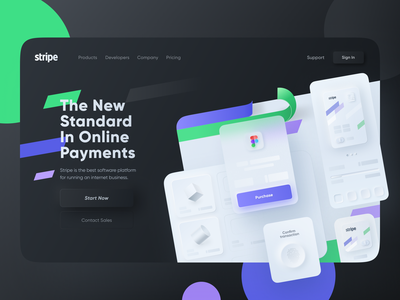
As of 2023, we can still see remnants of Neumorphic design. I remember during the crypto bullrun in 2020, many web3 companies adopted the Neumorphic design as it was thought of as a futuristic design and would help convey the message that web3 was to be the future of web.
While Neumorphism offers a visually pleasing experience, it doesn’t seek to improve pre-existing issues. That said, it was essentially just a skin and had very little utility other than to just look good.
The fall of Neumorphism is likely because of the following reasons:
- Accessibility concerns: Use of subtle color differences, shadows, and depth can create challenges for users with visual impairments. As the design community becomes more focused on inclusive and accessible design, neumorphism’s limitations in this regard may result in decreased adoption.
- Practicality and usability: The visual style of neumorphism might not always translate well into practical and usable interfaces, as the subtle depth effects can sometimes reduce the clarity of UI elements. Designers may prioritize other styles that provide a more intuitive user experience and clear visual cues.
- Limited color palette: Reliance on a monochromatic color scheme can restrict creative expression and branding opportunities, making it less appealing for designers and clients who require more vibrant or varied color options.
- Evolving design trends: Design trends change over time, with new styles emerging and capturing the attention of the design community. It’s possible that other design trends (like glassmorphism or further evolutions of flat design) may have gained popularity, overshadowing neumorphism.
- Experimentation: Neumorphism might have been a temporary trend that served as an experimental phase for designers exploring different ways to incorporate depth and tactility into user interfaces. As designers continue to refine their approach, they may develop new styles that build upon or move away from neumorphism.
The decline in neumorphic designs can be attributed to several factors, including accessibility concerns, practicality, and evolving design trends. Neumorphism’s subtle use of shadows and gradients can pose challenges for users with visual impairments, and its monochromatic color palette may limit creative expression and branding opportunities. Additionally, the style’s focus on depth and tactility may not always translate well into practical and usable interfaces, as the subtle visual cues can reduce clarity. As design trends continue to evolve and designers prioritize inclusive, accessible, and functional design principles, the prevalence of neumorphic designs has diminished in favor of alternative approaches that better address these concerns.
Will Neumorphism Trend Again In 2023?
In my opinion, Neumorphism still might trend in an experimental way where designers explore ways to improve the aesthetics of current design styles. But whether it’s going to be implemented by companies, I’d say fairly unlikely in it’s current form.
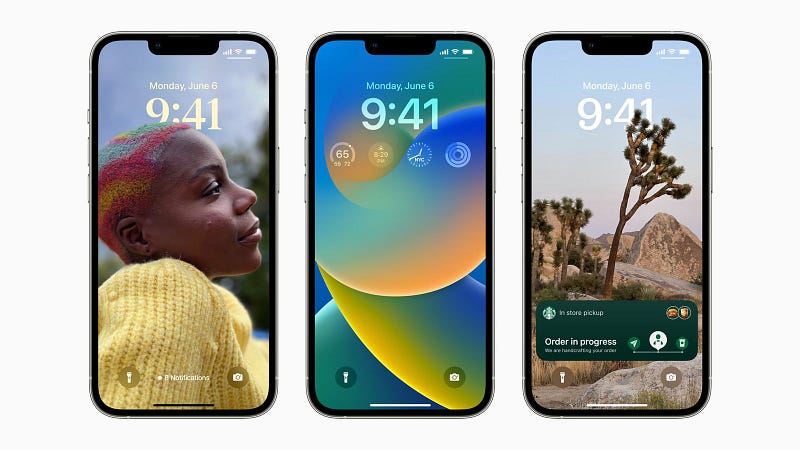
However, alot of designs we see does have quite a bit of overlapping features. Minimalism and Neumorphism have a few things in common and it’s commonly used by Apple’s iOS designs. All these design style terms can be confusing and can get dilluted very quickly. All in all, Neumorphism was an era where designers collectively explored ways to shift away from Skeumorhpism. As such, it allowed all of us to explore ways to improve the aesthetics of flat design to leap us forward.
Perhaps Neumorphism might come back, but with a different name and some what different features? What do you think?
Thank you so much for reading, I hope I’ve provided some valuable information!
As someone who writes about UX design and career advice, I’m always looking for ways to help educate and support those entering the world of UX. By using my referral link, you’ll not only be supporting me (Medium pays me a portion of your membership fee), but you’ll also gain access to amazing content and support Medium’s community of writers. So what are you waiting for? Sign up today and let’s learn and grow together!


