
The Rich Are Different Than You and Me
Certainly, where rules are concerned.
In recent weeks, we have learned that both Donald Trump and Boris Johnson have earned large sums on the lecture circuit. Trump’s personal financial disclosure suggested that he has earned up to $5 million from speaking engagements. As a mere ex-prime minister, Johnson has pulled in around £5 million. Both men, of course, lamented while in office that their public role reduced their income. Boris felt compelled to accept loans from friends to help furnish his Downing Street accommodation, while Trump had few qualms about charging the federal government the full cost of having his security detail stay at various Trump properties. But both knew well that their time in power was likely to enhance their brand.
It’s a persistent problem: how do you limit the influence of wealth on democratic politics? Neither the US nor the UK seems to have the answer. Even those who may regard the Trump family as an egregious example of using politics to boost personal profit may also concede that there are legitimate questions also about the activities of the Clinton and the Biden tribes as well. In the UK, we have a special moment. The current prime minister Rishi Sunak; the previous prime minister, the unforgettable Boris; and their deputy, Dominic Raab are simultaneously under investigation for breaches of the ministerial code. Somewhere in the background, there is also supposed to be an ongoing investigation into the allocation of contracts for the manufacture of personal protective equipment during the pandemic, which, if it follows the pattern of the inquiry into Russian interference in the Brexit referendum and subsequent elections, will be concluded with minimum fanfare or penalties.
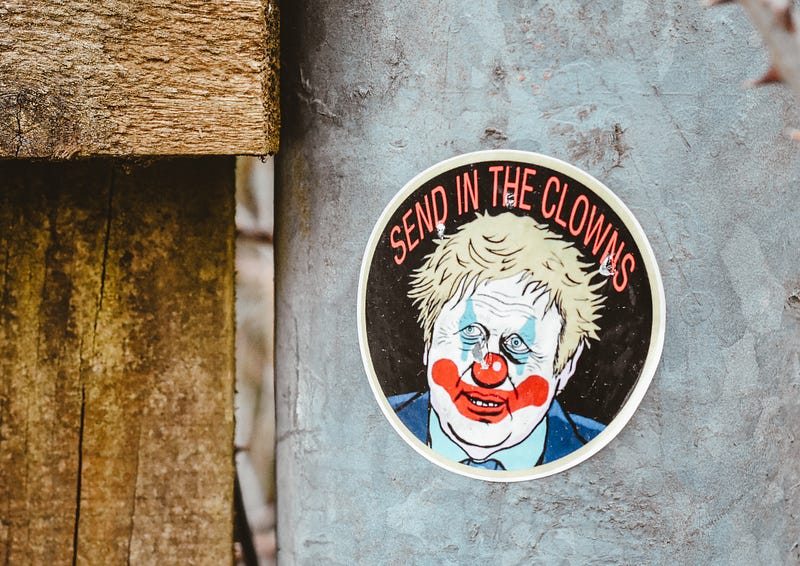
Of course, the Raab case is looking into the quite separate matter that a sizeable number of civil servants felt that his conduct as a minister amounted to systematic bullying and intimidation of staff. Likewise, the Johnson case is still considering whether his insistence to Parliament that he was completely unaware that social, even festive gatherings that he attended in Downing Street could possibly be in breach of the public health rules that his government had enforced during the pandemic is in any way plausible. Only the new Sunak probe is focused on the tawdry matter of personal gain.
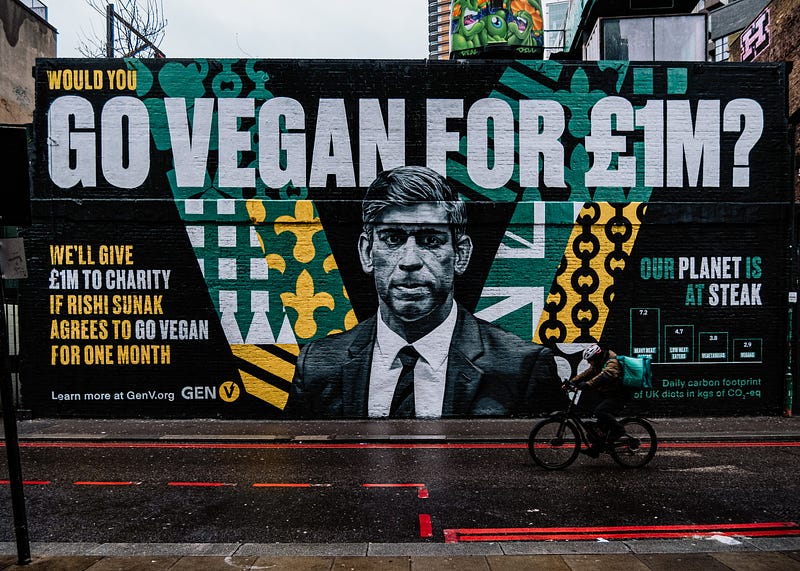
Marrying a billionaire’s daughter can complicate one’s life, apparently. Sunak’s wife, Aksharta Murty, is the daughter of the founder of InfoSys, Naraya Murty. Predictably, she is the beneficiary of a variety of wealth management strategies, such as blind trusts, located in Caribbean tax havens like the British Virgin Islands and Cayman Islands. For some time, she evaded close scrutiny of her finances in the UK by filing a tax return as a ‘non-dom’ or non-domiciled resident and paying an annual fee that was only a fraction of her tax liability otherwise. We are talking the difference between £1.4 million and £70,000. Blind trusts where the contents are not disclosed rather make a mockery of declarations of financial interests.
To demonstrate his probity, Sunak announced that in future his wife would pay taxes as a resident. The current investigation, however, is about another matter arising from another of his wife’s financial interests. She holds shares in a child-care agency, Koru Kids, one of six such businesses listed helpfully on the UK government’s website. There is a shortage of trained childcare staff and to recruit more the recent budget announced a £600 incentive payment for new childminders entering the profession. The payment doubled if they registered with one of the six listed agencies. Even my unschooled financial mind could detect that this was good news for the agencies and hence profitable news for the prime minister’s family.
Quizzed about this by a parliamentary committee, Sunak indicated that he had disclosed his interest as required to the Cabinet Office when he acceded to the premiership. The technical problem, in this case, is that this list of financial interests is also supposed to be available to Parliament more generally and thus to the public so that conflicts of interests can be policed. Alas, the list has not been updated for over a year, even though Cabinet Minister Oliver Dowden assured MPs in February that it would publish within a month.
Of course, only the truly cynical would attribute the continuing delay to a combination of tardiness on the part of ministers and others to file their list of financial interests and the rapidly approaching May elections for local government, which, rightly or wrongly, are often seen as a measure of the national government’s popularity.

Meanwhile, in America, the self-declared billionaire Donald Trump is so impoverished by his time in office that he has to rely on his supporters to pay his mountainous legal bills, his re-election campaign, and sundry other expenses. Apparently, there are still a few non-fungible tokens left from the Donald collection and the truly devout can also buy from the new Melania collection. The UK is conventionally seen as ten years behind America in terms of sociopolitical trends so, ever the optimist, I can look forward to the 2030s as a period of ever so slight ministerial equivocation and just a hint of noses in the trough.