avatarToni Tails

Summary

The web content provides a humorous and informative historical overview of the various methods humans have used for personal hygiene before the widespread adoption of toilet paper.

Abstract

The article titled "This Is The Remarkable History Of Ass Wipes" delves into the fascinating history of hygiene practices across different cultures and eras. It highlights the earliest known use of toilet paper in 6th century China, where it was a luxury reserved for royalty. The piece describes the creative alternatives employed worldwide, such as silk-wrapped sticks in Ancient China, sponge-tipped tersorium in Rome, ceramic pessoi in Greece, and even corncobs in 19th century America. It also touches on the cultural significance of these practices, including the Islamic tradition of using the left hand for cleaning. The author intersperses humor with historical facts and provides "helpful hints" for modern-day readers, suggesting, for instance, that old pet rocks could be repurposed as pessoi. The article concludes with a comprehensive list of hygiene methods used by various civilizations, emphasizing the diversity of solutions humans have devised for the same basic need.

Opinions

  • The author implies a sense of amusement and surprise at the ingenuity of ancient hygiene methods, particularly with the use of items like silk, sponges, and ceramics.
  • There is a subtle critique of modern toilet paper, hinting at its past reputation for splinters, which made alternatives like corncobs preferable even after its introduction.
  • The author seems to appreciate the historical significance of the items used, as evidenced by the inclusion of a quote from Yen Chih-Thui regarding the reverence for paper in 589 A.D.
  • The "helpful hints" suggest a playful tone, encouraging readers to consider unconventional uses for everyday items like bills and pet rocks.
  • The article's mention of the Islamic cultural practice of using the left hand for cleaning and the associated taboo reflects an understanding of the cultural dimensions of hygiene practices.

Humor, History

This Is The Remarkable History Of Ass Wipes

Before toilet paper, our ancestors found unique methods to stay clean

photo by Ulkar — purchased by the author

The first documented use of toilet paper dates back to the 6th century in China. Only royalty used the ancient tissue, and it was 400 years before the rest of the world would catch up! So what did everyone else use to keep tidy?

Ancient China and Rome

Both Ancient Chinese and Roman folks used sticks to keep clean. Ancient Chinese wrapped sticks in scraps of silk,¹ while Romans poked their sticks into sponges. The Romans called their device tersorium and kept them in vessels of vinegar. Both of these sticks were shared, either with family or in communal bathrooms!

Photo of tersorium replica by D. Herdemerten ( Hannibal21 ) / CC BY (https://creativecommons.org/licenses/by/3.0)

Helpful Hint: If you make a tersorium, don’t use a dish sponge with a scouring pad. The author learned this the hard way.

Ancient Greek and Rome

Ancient Greeks and Romans used broken ceramics called pessoi to wipe their bums over 2,700 years ago.² The pieces started pretty rough, but they rounded out to smooth medallions after years of use.
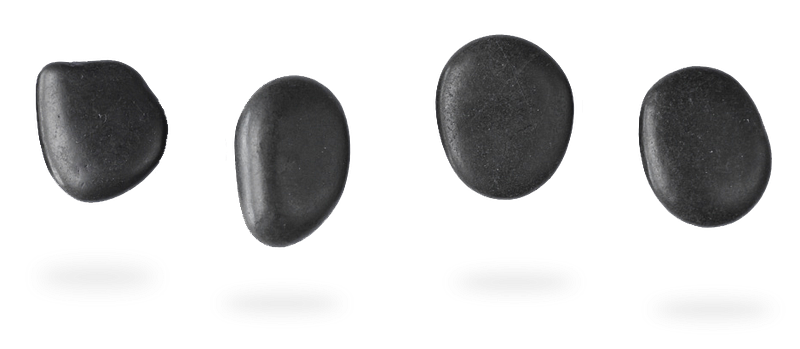
graphic by the author with purchased sources

Helpful Hint: Give those old pet rocks that are hiding away in the attic a second life!

Ancient China

Yen Chih-Thui, a sixth-century A.D. scholar, was the first in known written history to mention using paper to wipe his derriere.³

“Paper on which there are quotations or commentaries from the Five Classics or the names of sages, I dare not use for toilet purposes.”- from the texts of Yen Chih-Thui, 589 A.D.

Archeologists found a pile of hemp paper in the tomb of second-century A.D. emperor Wu Di. Forensics revealed that it had been used for toilet paper. ⁵

Helpful Hint: All those bills in your mailbox can finally be good for something!

19th Century America

Old wash buckets were piled high with corncobs in most outhouses across rural 19th Century America. The humble cob was still the favored cleaning device 20 years after the introduction of toilet paper. Considering toilet paper had a reputation for splinters, who could blame them?
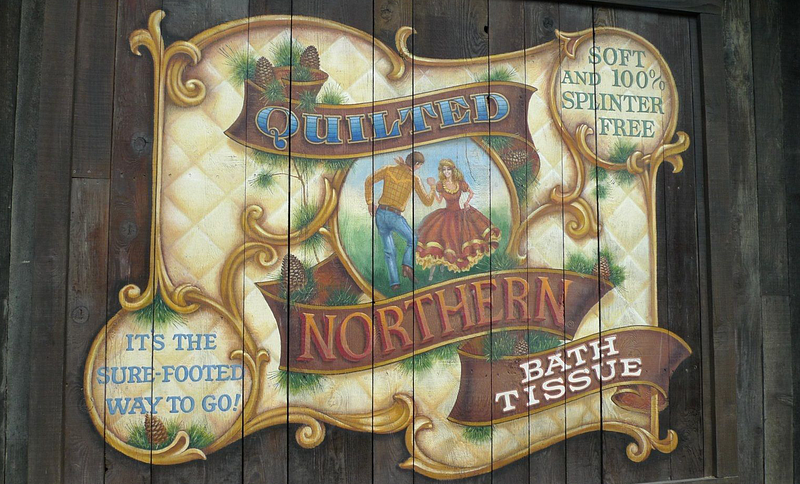
photo of “splinter-free” retro ad by Ulkar — purchased by the author

Helpful hint: Canned corn is not a good substitute.

Ancient European & Islamic

Ancient European and Islamic cultures kept their tushies fresh by using their hands, and a little water, to wipe. While Ancient Europeans were ambidextrous wipers, Islamic folks used their left hands exclusively. In Islamic cultures today, it is still an insult to touch someone with your left hand.

photo by Ulkar — purchased by the author

Helpful Hint: Keep your nails trimmed.

Here is a breakdown from Toiletpaperhistory.net;

  • Romans; Sponge on a stick
  • Chinese; Silk on a stick
  • Greeks ceramic pieces or clay
  • Coastal Regions; mussel shells or coconut husks
  • Europeans; hands
  • Islamic; left hand
  • Inuit; moss or snow.
  • Vikings; wool
  • The Colonial Americans; corncobs
  • Mayans; corn cobs.
  • French; bidet

Resources

¹ https://ancientchinatoday.weebly.com/toilet-paper.html

² https://www.nationalgeographic.com/history/2020/03/what-people-do-before-toilet-paper/

³https://www.researchgate.net/publication/305519588_Early_evidence_for_travel_with_infectious_diseases_along_the_Silk_Road_Intestinal_parasites_from_2000_year-old_personal_hygiene_sticks_in_a_latrine_at_Xuanquanzhi_Relay_Station_in_China

https://www.historyextra.com/period/ancient-history/when-was-toilet-paper-invented-what-did-people-use-before-history/

https://www.farmersalmanac.com/before-toilet-paper-24419

https://www.scientificamerican.com/article/toilet-tissue-anthropologists-uncover-all-the-ways-weve-wiped/

History
Health
Innovation
Culture
Ideas
Recommended from ReadMedium
