
Halloween/Tradition/Culture
The Relation Between Halloween & Pumpkin
The history of Halloween and pumpkin is an interesting Celtic folklore
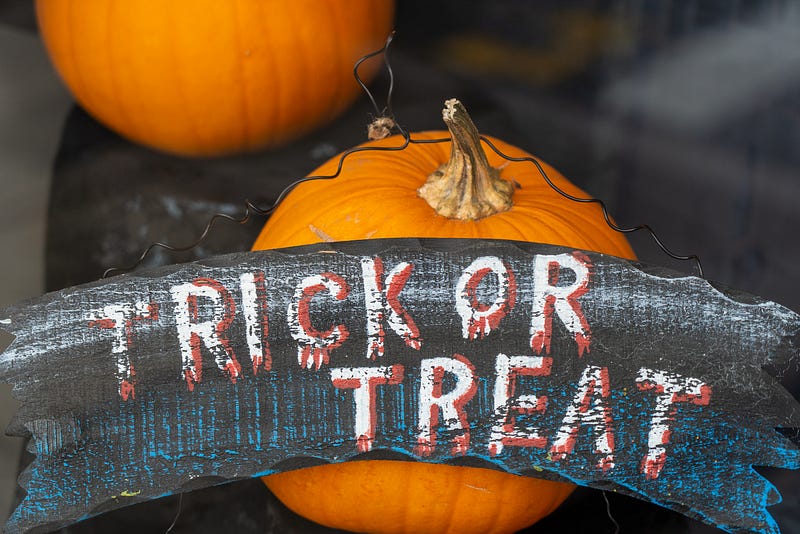
Pumpkin Carving And The History of Halloween
How do you view the traditional Halloween Festival? Are you one that believes it celebrates the occult, or do you view it as harmless fun? Let us see what history has to teach us about the Halloween Festival, not minding that its history has a religious connotation.
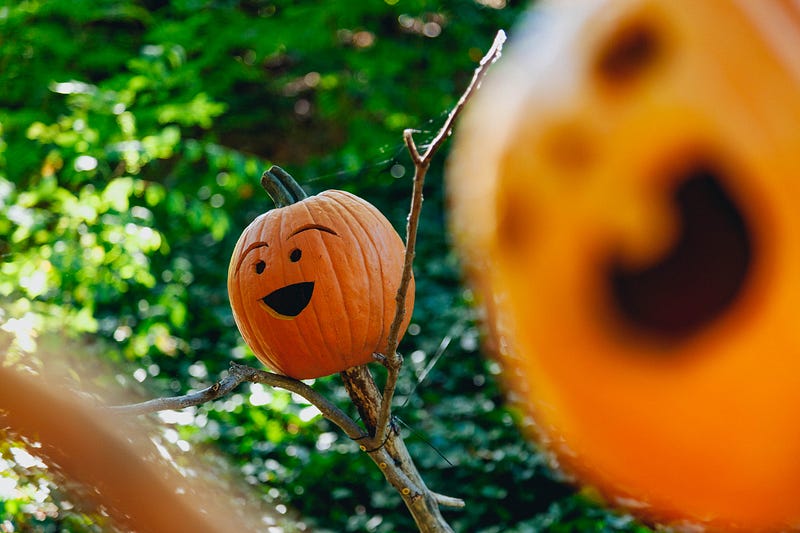
History has it that Pope Boniface IV, introduced a celebration, ‘’Hallotide’’ in the 7th Century, to commemorate the martyrs and saints. This was later changed to ‘All Saints Day’’.
All Saints Day was designated on every 1st of November. And All Souls’ Day on the 2nd.
Prayers were said to those who have died and are already in heaven on All Saints Day. And on All Souls Day, on the following day, November 2nd, prayers were for those who have died but are trapped in purgatory, (a halfway route to paradise).
So on the eve of All Saints Day, October 31st, people termed it All Hallow Eve. All Hallow means Holy Man. Traditionally, people dress in regalia, going from house to house and receiving gifts, as the souls who have passed and visiting them for the last time.
Jack O’Lantern
However, in the traditional Celtic folklore, a man named Jack who used to taunt the devil dies, and as his punishment, the devil made him carve out the turnip (a popular vegetable then) and put burning coal as his light to roam about. The devil prevented his ascent, he was roaming the street.
Early Irish immigrants to the U.S. brought the tradition of making a jack-o’-lantern at Halloween. According to Irish folklore, Jack was a blacksmith who had tricked the devil on several occasions. The story says that when Jack died, he was denied entrance into both heaven and hell. When the devil turned him away, he gave Jack a burning ember. Jack hollowed out a turnip to carry the ember and give him light. The Irish remembered this story each year by carving scary faces on turnips and placing a burning piece of coal inside. However, when the Irish immigrated to the U.S., they discovered that pumpkins were more readily available and made better jack-o’-lanterns than turnips. Eventually, candles replaced the burning coals. You might use a battery-operated candle or a flashlight inside your jack-o’-lantern today.
So people generally then carve out vegetables, (potatoes, melons, etc) with ugly faces and put them out of their windows to stop the roaming Jack O’Lantern from entering their houses.
This tradition was taken to Central America and Mexico, where there were traditionally plenty of pumpkins, and soon pumpkins were used to stop Jack and other evil spirits from entering the houses.
Souling, Costumes, And Bonfire
All these were introduced lately.
Souling is where children dress in scary or ghostly costumes, going about with offertory bowls for donations and offering sweets in return. So also the tradition of fireworks was introduced.
The Takeaways
- All parts of Pumpkins are edible, the skin, the flesh, and the seeds. The seeds can be roasted before eating.
- Pumpkins are highly nutritious and beneficial for the body.
- The most popular Halloween dressings are witches, vampires, fairies, and cats.
- According to huntedworld.com, Americans spend between $300–$500m annually on purchasing tickets to hunted houses.
DISCLAIMER
Although great research has gone into this post to give the true and genuine substance to it, nevertheless it does not still represent professional advice in any way. Please consult your professional expert about any concerns that you have. It is therefore given for readers’ interest and entertainment only. Thank you.😑
💔If you are inspired and looking to start writing on Medium, why not jumpstart your writing journey by using this link? If you love what you read, you can personally support me here. Thank you.💔


