
The Rebel Writer Who Started National Women’s Day
Fire! Oh my god, fire, someone help them!
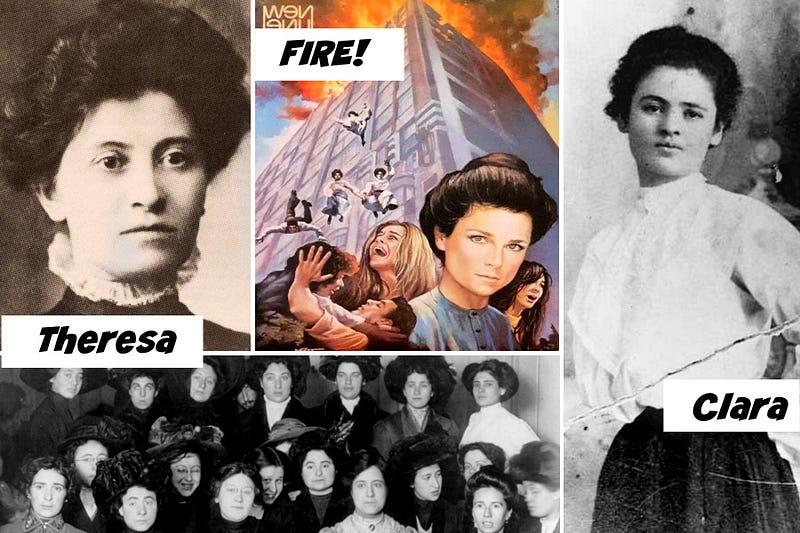
Weird fact. Every year, the president of America sits at his desk and signs a document proclaiming March as National Women’s History Month.
It’s been an annual ritual since the 1970s.
Most people don’t even know he does that, much less why.
Year after year, that document is signed because of one woman.
She was a rebel — and a writer.
When she arrived in New York, she needed a job!
Theresa Serber was 17 when she arrived in New York and she desperately needed a job! Because — nine of them! Lots of mouths to feed.
She was one of seven daughters, plus their parents. Ukrainian Jews who’d fled anti-Semitic violence at the hands of Russians to seek safety in America.
Most Jewish immigrants worked in garment factories so that’s where she went and got herself hired as a cloak maker.
Horrific abuses!
She was horrified at the working conditions. Six days a week, 10–12 hours a day, and workers had to supply their own materials out of their paltry wages.
They made $3/week. That’s about $100/week in today’s money.
If the crap pay and long hours weren’t bad enough, the factories were overcrowded, women working almost shoulder to shoulder.
Worse — they were locked in. Doors, stairwells and fire escapes were locked to prevent “unauthorized” breaks. No stepping out for fresh air. No lunch outside. Not allowed. Plus, unwanted male hands. Sexual harassment in nooks and corners and they dared not complain or they’d lose their jobs.
It made her so angry.
But Theresa had one thing going for her…
Girl could write — and she did!
She started writing about the struggles of garment workers and working women and sent her stories to the Socialist Party’s daily newspaper.
Women grabbed up the papers to devour her every word.
After a while, she got an idea.
What if she named a day for women? A woman’s day!
So she boldly wrote an article declaring Feb 23, 1909 as the very first “National Women’s Day.” She asked readers to meet her on 34th Street for the very first Women’s Day and promised to have speakers.
Yup — she just made that up and published it.
2000 women showed up.
We sew the clothes on your back, for pennies, and this is how you treat us? No! No more!
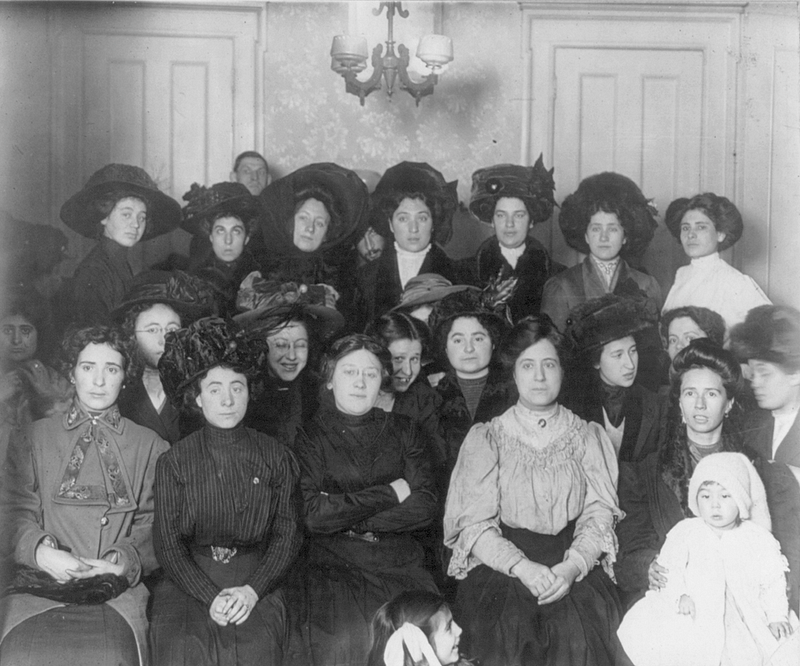
It was a sea of faces. A few Italian immigrants, a sprinkling of men — but mostly young Jewish and Ukrainian immigrant women, aged 16–23.
One by one, the speakers talked to the crowd.
Finally, one woman in the crowd had enough. Pushed her way through the crowd, right up to the podium, and demanded she be heard.
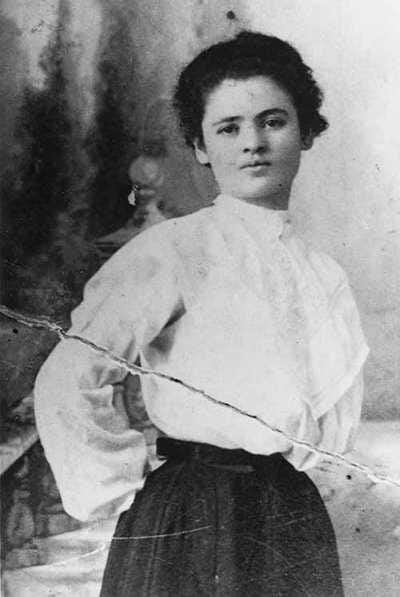
Her name was Clara Lemlich and she was just a tiny bit of a woman, but she was full of spit and hellfire and sick to death of talking.
Enough talking. She wanted action. She shouted to the crowd that they need to go on strike. Decide, she shouted. Decide now. Strike? Or not.
The roar of approval was long and loud.
“I am tired of listening to speakers who talk in general terms. What we are here for is to decide whether we shall strike or shall not strike. I offer a resolution that a general strike be declared NOW!!” — Clara Lemlich
“The Uprising of the 20,000”
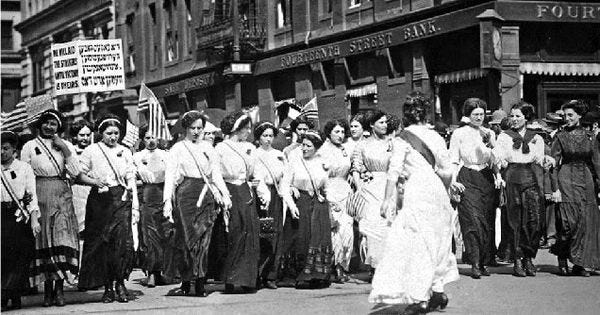


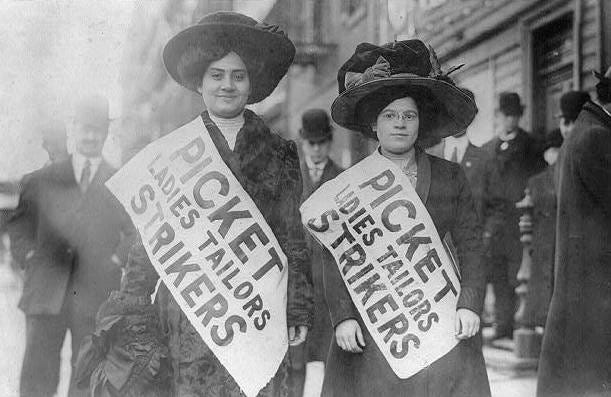
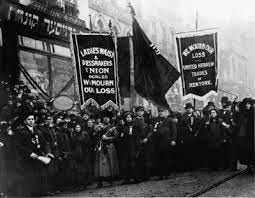
The next morning, it was all over the papers. Over 15,000 garment factory workers marched the streets of New York to protest their working conditions.
They would not back down. Day after day they returned.
Some days there were smaller crowds. Twenty or thirty. Other days, hundreds or thousands. They were peaceful. They obstructed no one. But they would not go away. They wanted the world to know.
The strikes continued — day after day for two solid months until they made all the national newspapers. And then international ones, too.
“The Uprising of the 20,000” the media called it.
“Audacity — that was all I had. Audacity!” — Clara Lemlich
The world responds…
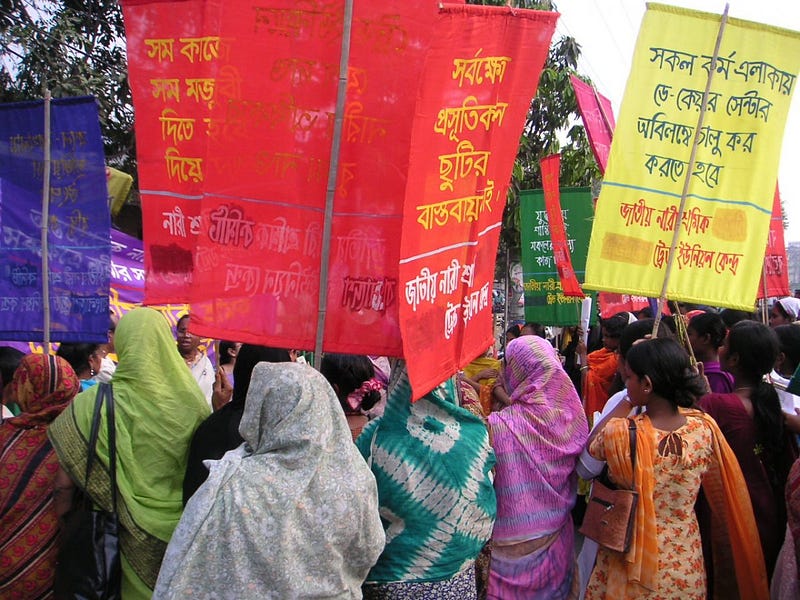
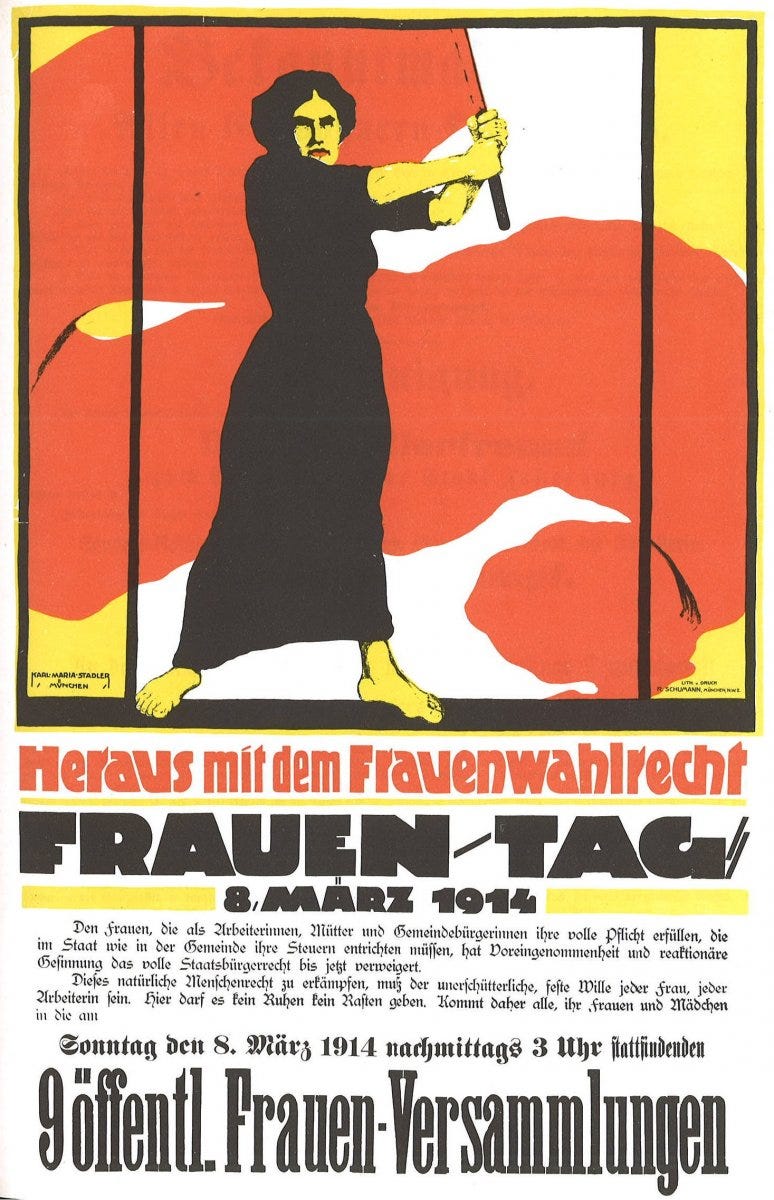
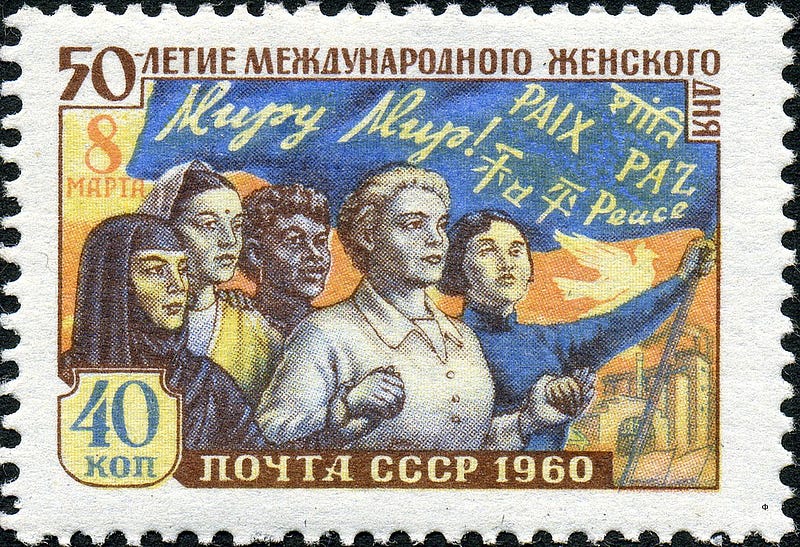
When push comes to shove, the quiet and peaceful people who normally keep their heads down suddenly rise up. Voices united against wrong.
As the “uprising” made headlines, women responded in kind. Marches, everywhere. Copenhagen, Austria, Germany, Switzerland, Poland. Across Europe, across America, women standing side by side in solidarity.
Marching and yelling — we matter.
After the strikes, Serber published “The Diary Of A Shirtwaist Striker”
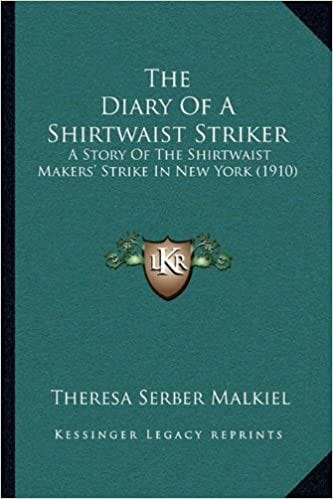

Turned out Theresa had been keeping a journal.
Sure, she sewed garments to pay the bills. But at heart? She was a writer, a rabble rouser and a rebel at heart. She logged everything.
Battles with factory owners. Abuse at the hands of police. 723 people were arrested and 19 women were sentenced to the workhouse. Little Clara, who’d stormed the podium, was arrested 17 times and they broke 6 of her ribs.
It was all in her book.
She dedicated the book to all the heroines of the strike.
“To the nameless heroines of the Shirtwaist Makers Strike this diary is lovingly dedicated by the author.” — Dedication from the front of the book
Fire! Oh my god, fire, someone help them..!
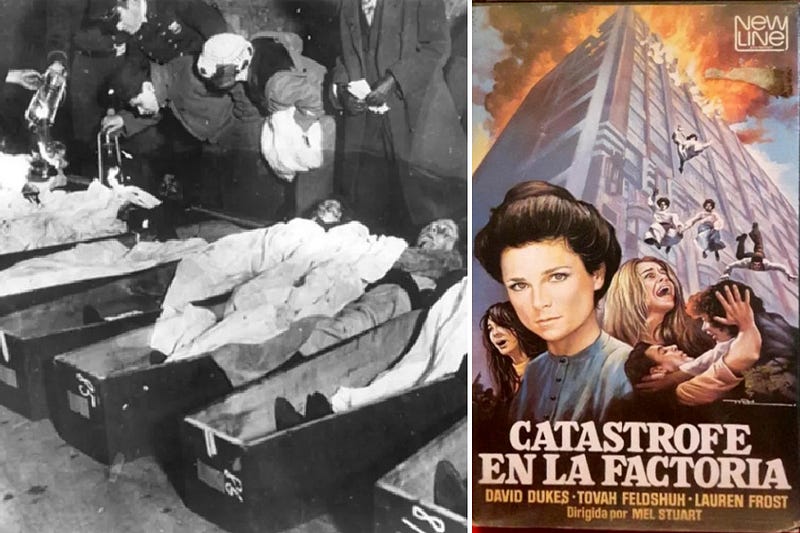
In March, 1911 a fire broke out in the Triangle Shirtwaist Factory.
The owner had locked the doors to stairwells, exits and fire escapes to prevent “unauthorized” breaks.
The factory went up like a tinderbox, as the fire gobbled up paper sewing patterns and fabric scraps and leapt to the women’s poufy dresses.
The screaming could be heard for blocks.
Women pitched themselves out the 8th, 9th and 10th floor windows and plummeted to their deaths on the streets below.
It was better than burning to death.
Fire trucks arrived, sirens screaming, only to realize their ladders didn’t reach high enough. Firefighters watched in helpless horror as women plummeted past them, many engulfed in flames when they leaped.
Those who didn’t jump burned to death or suffocated inside.
It was one of the deadliest work related disasters in American history. 146 garment workers died that day. 123 women and 23 men. Most were just kids, aged 16–23.
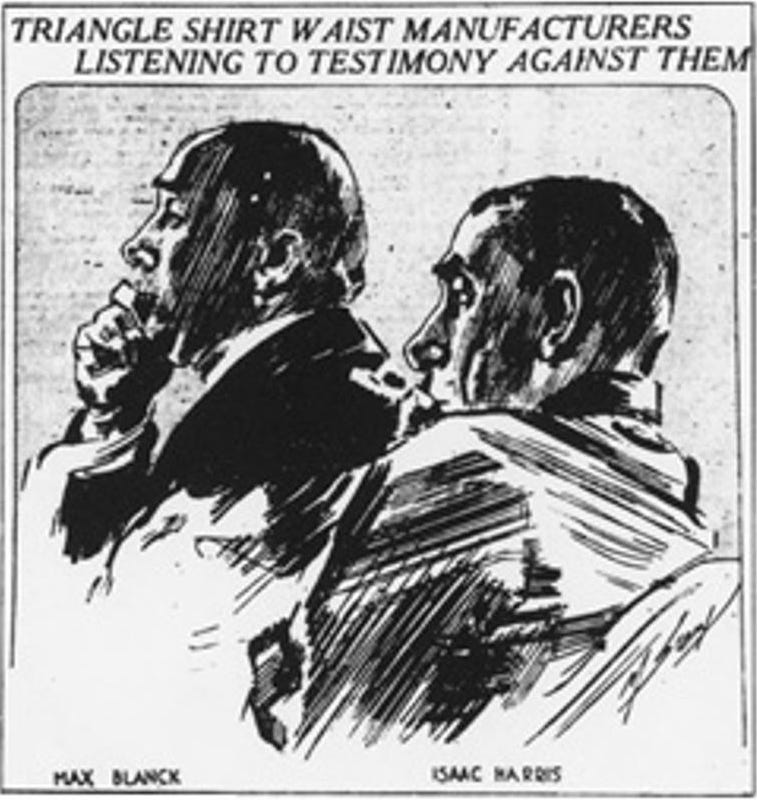
Oh, it went to court. You bet it did…
Don’t forget it was 1911. Men had the legal right to beat and rape their wives and the year before, in 1910, the Supreme Court had denied married women the right to prosecute their husbands for physical assault.
Know what the lawyers for the factory owners did?
They found women who survived the fire. Traumatized, but alive, and they brow beat them in court. Made them repeat their stories over and over, questioning them mercilessly until they wept in confusion.
The factory owners were found not guilty.
They were sued again in civil court but it was a small and bitter victory. The factory owners were ordered to pay one week’s wages to each family as compensation for the loss of their loved one.
Sales of Theresa’s book took off.
111 years, and still we fight…

It’s been 111 years since women leaped from that burning building. 111 years since angry men broke Clara’s ribs. 111 years since a judge found those men not guilty and 111 years since Theresa published her book.
We don’t have wage parity, but we do have #metoo. We can prosecute our husbands and bosses for rape or assault, but 2% will see repercussion.
And every year, a man will sit down at his big desk in the Oval Office and give us women permission to remember our history out loud for one month.
But we don’t.
When Theresa Serber Malkiel died, the obituary in the newspaper described her as “retired writer, widow of a well-known New York lawyer.”
Feisty little Clara was an organizer right to the end, making changes in the senior’s home. When she died in 1982, she didn’t even get an obituary.
And I can’t help but wonder if they weep in their graves.
“The bugle call sounds louder and louder; my toiling sisters of the world, arise!” — Theresa Serber Malkiel
References
— The Woman Behind International Women’s Day — Theresa Serber Malkiel — The Story of Theresa Serber Malkiel — Clara Lemlich and the Uprising of the 20,000 — International Ladies Garment Workers Union