avatarNicole Kinkade

Free AI web copilot to create summaries, insights and extended knowledge, download it at here

2082

Abstract

font to tell me what this e-mail is about. Abena ends the e-mail with a link to where you can view the rest of her content.</p><p id="00ed" type="7">But, Nicole, remember I said I have a lot to say?</p><p id="936d">Right, like I said, there’s a way you can say more. Let’s look at this other example from Abena, where she had more to say:</p><figure id="63e7"><img src="https://cdn-images-1.readmedium.com/v2/resize:fit:800/1*Cas5iByx89IljX-xlkojiA.png"><figcaption>Abena Talks Newsletter, November 2, 2023</figcaption></figure><p id="c1b1">Abena breaks down her information by using bolding and bullets. This makes the content easily skimmable for people, like me, who don’t spend a lot of time in their inbox reading newsletters all day. I can quickly scan the e-mail, see what it’s about, and retain the information.</p><p id="c5fd" type="7">Retention is key</p><p id="2e7c">You want your subscribers to remember what you’re sending them. Chances are, they’re checking their e-mail between meetings or during their lunch break.</p><p id="4015">If you’re selling a product, they’re probably not going to buy it <b><i>right now,</i></b> but they will remember your name if what you say is concise and easy to digest. This means, they will start to trust you and are more likely to buy your product in the future.</p><h1 id="b56b">Example 2: Kat Boogaard</h1><p id="1946">I’ve been subscribed to <a href="undefined">Kat Boogaard</a> for a little while now, and I consistently look forward to reading her content.</p><figure id="7a39"><img src="https://cdn-images-1.readmedium.com/v2/resize:fit:800/1*GLloxQ_d7OcU_YPdcQKlKg.png"><figcaption>Kat Boogaard, November 3, 2023</figcaption></figure><p id="6cbc">Kat uses short, concise sentences (and catchy humor) to keep her readers’ attention. She also utilizes bullets and lists like Abena, to make her important points easy to follow.</p><p id="9e76">I also love her image header and recognize it immediately (because let’s be honest, I sometimes don’t look at the sender’s name when I open an e-mail if the headline is catchy).</p><

Options

h1 id="3525">Example 3: The Filthy Rich Writer</h1><p id="3ba2">Their name had me hesitant to subscribe (because I’m not one to follow “get rich quick schemes,” but <a href="https://filthyrichwriter.com/"><i>Filthy Rich Writer’s</i></a><i> </i>content is topnotch quality, and that includes their e-mail newsletter.</p><figure id="21ea"><img src="https://cdn-images-1.readmedium.com/v2/resize:fit:800/1*tNIA86XLN1hVDSZHh8j14A.png"><figcaption>Filthy Rich Writer, October 18, 2023</figcaption></figure><p id="a90a">This e-mail follows my ideal “one screen” e-mail style. It also includes links in the text that stand out on my computer (I love that they colored them green because they look even more appealing to my eye than a standard green link).</p><figure id="a58f"><img src="https://cdn-images-1.readmedium.com/v2/resize:fit:800/1*6-hwBu7QzTFrZMinguUKRQ.png"><figcaption>Filthy Rich Writer, October 18, 2023</figcaption></figure><p id="5bae">This is another e-mail from <i>Filthy Rich Writer</i>. They could have told their subscribers all about Steffan’s story in the e-mail, but instead, they left the reader hanging, so they’ll want to click the link to read more about Steffan.</p><p id="9588">Using your e-mail newsletter to link to content on your website, Medium, or other platforms is a great way to drive traffic. It’s also my preferred way to consume content since I spend <i>way </i>more time in my web browser than in my inbox.</p><p id="1edc">If I love your link, I’ll bookmark it or leave the tab open to read later. If you put all the content in your e-mail, I’m probably going to forget about it and never read it.</p><h1 id="c48b">It’s That Simple</h1><p id="ec32">Don’t spend hours writing a novel for your weekly newsletter. Keep it short, and concise. If you have to say more, use bullets and bold fonts. Link to your important content when you can.</p><p id="afc8">Do you agree? Subscribe to <a href="https://nicolekinkade.substack.com/?">Working Virtually Mondays</a>, and I’ll give you short, snappy inspiration every Monday morning.</p></article></body>

The Reason Your E-Mails Should Be Short and Snappy

You should say what you need to say in as few words as possible
Photo by Solen Feyissa on Unsplash

I’ve unsubscribed from several e-mail newsletters this week.

They all have one thing in common:

They are too long.

I spend minimal time in my inbox each day and, with that time, I have limited time to read and, if needed, respond. I notice a huge difference between the e-mails I look forward to reading and the ones I’m quick to unsubscribe from.

My favorite e-mail newsletters are short, snappy, and to the point. They don’t waste time getting to the point of their message.

“But, Nicole, I have a lot to say!”

You can still say all you need to say in an e-mail, but you have to be clever about how you’re going to present it to your audience.

An e-mail newsletter is not a place to write your next novel. If you want to write a novel, great — but link me to your book, don’t copy and paste the whole book into the e-mail body!

Let’s look at some examples of great e-mails from newsletters I enjoy.

Example 1: Abena Talks
Abena Talks Newsletter, November 2, 2023

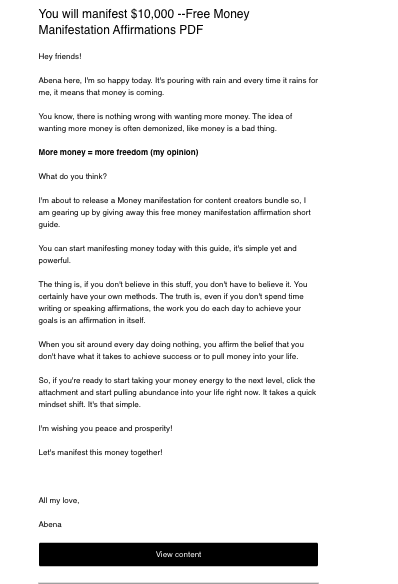
Abena Talks sent this to my inbox on November 2. The best e-mails are the ones I can screenshot. This e-mail demonstrates the perfect e-mail length, in my opinion.

It gets the point across quickly and utilizes a bold font to tell me what this e-mail is about. Abena ends the e-mail with a link to where you can view the rest of her content.

But, Nicole, remember I said I have a lot to say?

Right, like I said, there’s a way you can say more. Let’s look at this other example from Abena, where she had more to say:
Abena Talks Newsletter, November 2, 2023

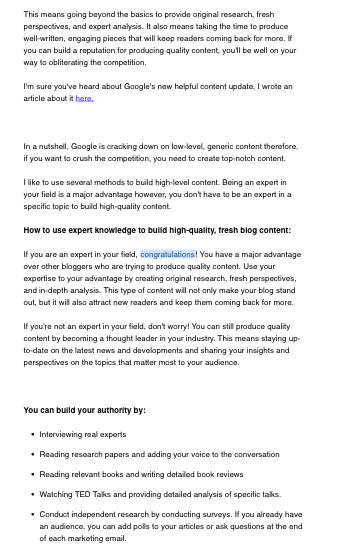
Abena breaks down her information by using bolding and bullets. This makes the content easily skimmable for people, like me, who don’t spend a lot of time in their inbox reading newsletters all day. I can quickly scan the e-mail, see what it’s about, and retain the information.

Retention is key

You want your subscribers to remember what you’re sending them. Chances are, they’re checking their e-mail between meetings or during their lunch break.

If you’re selling a product, they’re probably not going to buy it right now, but they will remember your name if what you say is concise and easy to digest. This means, they will start to trust you and are more likely to buy your product in the future.

Example 2: Kat Boogaard

I’ve been subscribed to Kat Boogaard for a little while now, and I consistently look forward to reading her content.
Kat Boogaard, November 3, 2023

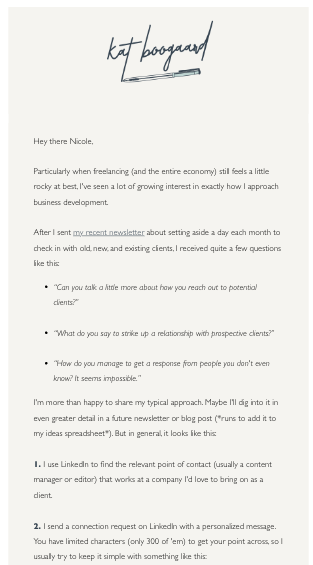
Kat uses short, concise sentences (and catchy humor) to keep her readers’ attention. She also utilizes bullets and lists like Abena, to make her important points easy to follow.

I also love her image header and recognize it immediately (because let’s be honest, I sometimes don’t look at the sender’s name when I open an e-mail if the headline is catchy).

Example 3: The Filthy Rich Writer

Their name had me hesitant to subscribe (because I’m not one to follow “get rich quick schemes,” but Filthy Rich Writer’s content is topnotch quality, and that includes their e-mail newsletter.
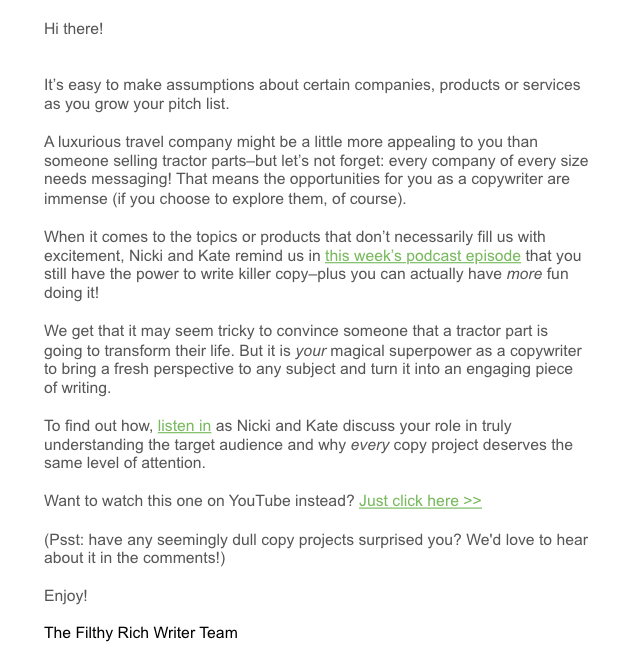
Filthy Rich Writer, October 18, 2023

This e-mail follows my ideal “one screen” e-mail style. It also includes links in the text that stand out on my computer (I love that they colored them green because they look even more appealing to my eye than a standard green link).
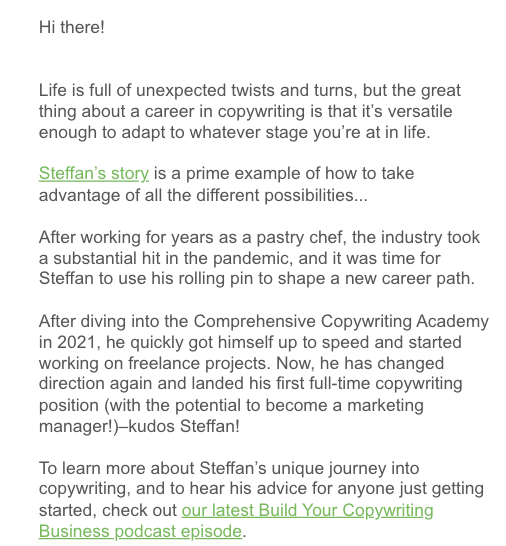
Filthy Rich Writer, October 18, 2023

This is another e-mail from Filthy Rich Writer. They could have told their subscribers all about Steffan’s story in the e-mail, but instead, they left the reader hanging, so they’ll want to click the link to read more about Steffan.

Using your e-mail newsletter to link to content on your website, Medium, or other platforms is a great way to drive traffic. It’s also my preferred way to consume content since I spend way more time in my web browser than in my inbox.

If I love your link, I’ll bookmark it or leave the tab open to read later. If you put all the content in your e-mail, I’m probably going to forget about it and never read it.

It’s That Simple

Don’t spend hours writing a novel for your weekly newsletter. Keep it short, and concise. If you have to say more, use bullets and bold fonts. Link to your important content when you can.

Do you agree? Subscribe to Working Virtually Mondays, and I’ll give you short, snappy inspiration every Monday morning.

Email Marketing
Writing
Copywriting
Newsletter
New Writers Welcome
Recommended from ReadMedium