
Why Vaccines Are So Difficult to Develop
An inside look at why we are so far from a Covid-19 vaccine
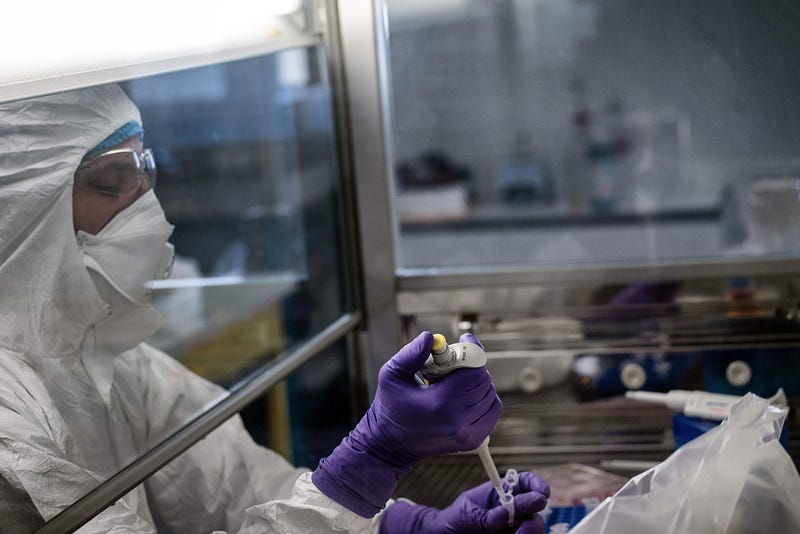
The first major outbreak of a coronavirus was nearly two decades ago. As that strain raged through Asia, there was an immediate effort to develop treatments and vaccines against the novel pathogen. Impressive measures were put into place to curb the spread of the disease and prevent people from contracting it. Vaccines stood as the crown jewel of this effort: to develop a safe and effective one would have been a monumental accomplishment.
Roughly a decade later, after the dust had settled on the original SARS outbreak in Asia, a new strain of the coronavirus emerged in the Middle East causing a similar spectrum of disease symptoms. This new strain, now known as MERS-Cov, ran a similar course. Again, a renewed enthusiasm for developing vaccines surfaced.
Now, nearly two decades from the original SARS outbreak, we face yet another novel coronavirus outbreak, this time emerging from China. This one has, of course, spread rapidly throughout the globe. This pandemic is reminiscent of the prior two coronavirus outbreaks but dwarfs them in its transmissibility and lethality. Once again, the medical community jumped into action to develop drug treatments and vaccines against the newest strain of coronavirus, now known as SARS-Cov-2 or Covid-19.
The question is: Why didn’t we already have a vaccine against coronavirus? The answer to this is complex and goes far beyond the difficult task of identifying and testing a viable vaccine.
In 2014, Dr. Peter Hotez of the School of Tropical Medicine at the Baylor College of Medicine and others wrote an article outlining the urgent need for a vaccine targeting the strains of coronavirus that cause SARS and MERS. At the time, Hotez argued that we not only faced obvious demand — as highlighted by two large coronavirus pandemics — but we also had the information necessary to begin developing vaccines. Researchers had already sequenced the coronavirus genome and gained a clear molecular understanding of how coronaviruses invade the human respiratory systems.
There are currently over four dozen different vaccines awaiting clinical trials. Nearly all of these vaccines rely on the molecular underpinnings that were discovered in the era of SARS and MERS.
The demand and the know-how were in place, but Hotez observed a waning interest in developing a coronavirus vaccine in the years that followed the MERS outbreak. Like many other researchers in this area, he watched funding and research for coronavirus vaccines fall as the outbreak subsided.
Out of sight, out of mind
Once a pandemic goes into containment, the public — for lack of a better way to say it — loses interest. As outbreaks cease to infect and cause public response, there is a declining interest in throwing money and effort toward a disease that appears to have been eradicated. Despite the continued need for treatment and vaccine options for coronavirus and other emergent viruses, it often becomes harder in these times for researchers to gain support for such projects. Often, the funds that were once available for research and development dry up or are diverted to different projects.
Likewise, other outbreaks around the globe capture attention. When Ebola struck in 2013, attention was quickly diverted away from quiescent viruses like coronavirus to this rapidly spreading and highly lethal disease. Soon after, experimental vaccines for Ebola started cropping up, defying the seemingly long and tedious timeline that usually restricts new vaccine development. Even now, as Covid-19 reaches its global peak, new vaccines and treatments have been fast-tracked into clinical trials and compassionate use. But in the years that follow the subsiding of an outbreak, the effort to continue rapid developments inevitably declines.
Such was the case for Hotez around the time of the MERS outbreak in 2012–2013. At that time, he and many of his colleagues felt that a vaccine targeting coronavirus was well within grasp. There was enough knowledge about the viral life cycle and molecular mechanisms of coronaviruses to at least begin targeting them with vaccines. But Hotez received a tepid response to his funding requests to move forward with such vaccines.
In the 2014 article, Hotez wrote that “waiting for a full-blown MERS epidemic, or even pandemic, to occur before even beginning vaccine development could result in the loss of many lives.” Having lived through two coronavirus outbreaks, Hotez had seen the support of vaccine development ebb and flow throughout those years. He knew enough to know that with interest in a MERS vaccine falling, the world would be ill-prepared for inevitable future coronavirus pandemics. As Hotez predicted, the current Covid-19 outbreak is already on track to be the most deadly coronavirus pandemic in history.
New virus, old science
With Covid-19 in full swing, there are currently over four dozen different vaccines awaiting clinical trials. Nearly all of these vaccines rely on the molecular underpinnings that were discovered in the era of SARS and MERS. With the exception of some advancement in our knowledge of the coronavirus life cycle, we are currently more or less picking up where research left off back in 2014.
Researchers at Scripps Institute in California have resurfaced an antibody that was isolated from a SARS patient during the 2003 outbreak. The team began investigating this antibody to determine if it could be used in the treatment of Covid-19. The theory is based on the idea that antibodies developed from patients recovering from the coronavirus theoretically target the virus and could be transfused into patients currently fighting the infection. Antibody therapies are already a highly viable medical treatment area and are used to target diseases ranging from autoimmune conditions to cancer.
Antibodies provide more than just direct therapy. The structure of their antigen-binding region ( the region constructed to match specific antigens found on invading pathogens like viruses ) provides a map to potential vulnerabilities in a virus like the coronavirus. Antibody production in a human is dependent on the antigenicity of a viral protein — essentially how much of a response it creates in the host. When the host immune system generates a high level of serum antibodies, this signals that the antigen it had targeted may be a viable target for a vaccine. It is not a slam dunk per se, but this sort of information is a valuable clue in developing a new vaccine.
Why then would it take 17 years for a research team to begin investigating this old antibody? One explanation is that it is nearly impossible to predict which strain will emerge to begin infecting humans. This would mean predicting the exact mutation likely to lead to the disease emergence and building a therapy to target it — a task that most labs would shy away from for obvious reasons.
Another explanation comes down to funding. Most labs that request funding to develop a vaccine or therapy against a nonexistent pathogen find it difficult to secure the level of support needed to accomplish the task. One could argue that using information about the coronavirus obtained during the 2003 SARS outbreak could have been tested against the next outbreak — MERS — and thus could have produced a treatment useful against Covid-19. In fact, this was the case during the 2012 MERS outbreak, but once that regional epidemic subsided, so too did the global effort to develop such a vaccine.
Playing the “what if” game when looking back at past choices is only partially beneficial. But the past holds lessons that can help steer our future efforts to protect against outbreaks.
Good vaccines are bad business
Vaccines, as a pharmaceutical product, are not particularly profitable. For one, vaccines are massively expensive to produce. The research, development, and clinical trials needed to produce a safe and effective vaccine are quite large. Development alone can take years between research and clinical trials, not to mention the cost to scale and mass produce it. Even if the necessary time and money is invested, many vaccines fail during clinical trials, forcing companies to change course or abandon projects. For pharmaceutical companies, this financial risk is reason enough to avoid the vaccine business altogether.
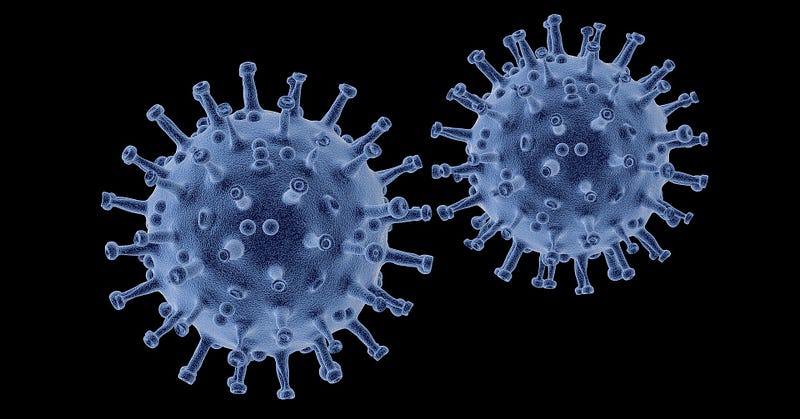
Likewise, vaccines are simply a poor business model. A hypothetical vaccine that has high efficacy against a virus might be administered one time and confer protection for an individual for their entire life. Compare this to drug treatments for chronic conditions, where people take medicines on a daily basis for extended periods of time, and it is easy to see why so many pharmaceutical companies focus their efforts on the latter. As a result, many companies have turned away from vaccines.
With few untested medications and vaccines, the global community is relying on public health and social distancing measures to contain this unprecedented outbreak. These efforts go a long way to neutralize the spread of Covid-19 but pale in comparison to the protective value of a vaccine. Had there been a viable vaccine available after the MERS outbreak, we would now have at least a starting point from which to rapidly develop a new vaccine. Some vaccines even hold promise for future universal coverage. Had the attention and activity toward developing vaccines had continued well beyond 2012, we may have already developed a vaccine of this kind by now.
Playing the “what if” game when looking back at past choices is only partially beneficial. But the past holds lessons that can help steer our future efforts to protect against outbreaks. If history is to be our guide, even when the current Covid-19 outbreak eventually subsides, then we know efforts to create a vaccine against coronavirus must continue with the same enthusiasm and support happening now.


