
The Real Reason the French Are Striking Once More
It’s not what you are reading in the news — striking is national entertainment
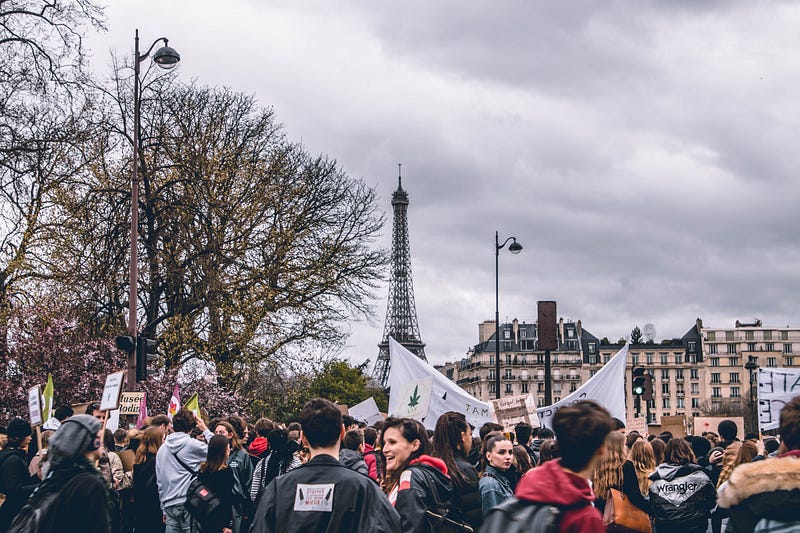
You may have seen pictures of a million protesters lining the streets of Paris. If we are to believe the news, they’re outraged because President Macron is once again trying to raise the retirement age to 64 from the current 62.
You’re probably feeling a bit outraged yourself, right now. “What?!” you’re thinking. “The French have a retirement age? How can that be when they don’t work in the first place?”
Put those uncharitable thoughts aside, and shame on you. The French accomplish more in their 35-hour week than many Germans do in a whole hour.
Besides, when you factor in getting a proper start to the day with your coffee and croissant enjoyed over the paper, a well-deserved break for lunch between 11 and 2, and then knocking off at 3 to enjoy your quality of life, it’s a wonder the French get anything done at all.
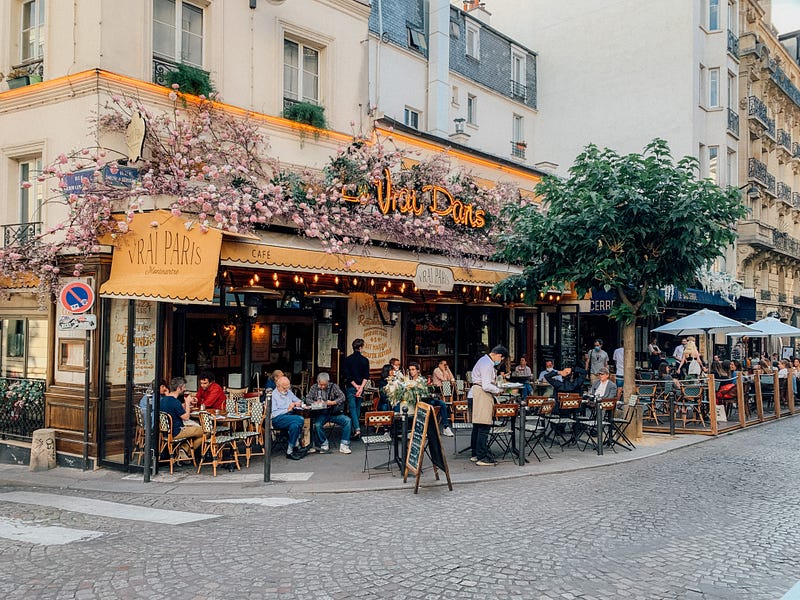
Even French Strikes Are Fashionable
The fact is, the French bring their inimitable style and class to everything they do, and this includes strikes.
I worked for a company that had more unionized employees in France than anywhere else in the world. As far as I could tell, the sole purpose of the unions was to plan for and organize parties. Er, strikes, I mean strikes.
In fact, the unions treated strikes like a combination of birthday parties, street raves, and end-of-term celebrations. There was a strict order of ceremonies, carefully curated invitation lists, and plentiful food and drink.
Our managers were pre-informed of the dates and times of all unplanned strikes. This allowed the managers to bring provisions (in case they missed lunch) and a change of clothes for the obligatory period when they would be confined to their offices as a show of employee strength and resolve.
In fact, our managers were as happy about these carefully planned, unplanned strikes as the unions and employees. With deft advance negotiation, managers arranged to be confined to their offices early on Fridays, so that they could sneak out the windows to begin their long weekends.
That left striking employees a free hand to carefully clear cars from the parking lot and assemble the symbolic pile of tires for eventual burning. You can be certain that no match was struck before the (pre-informed) local media arrived with their camera crews to film the brave employees taking their principled stands.
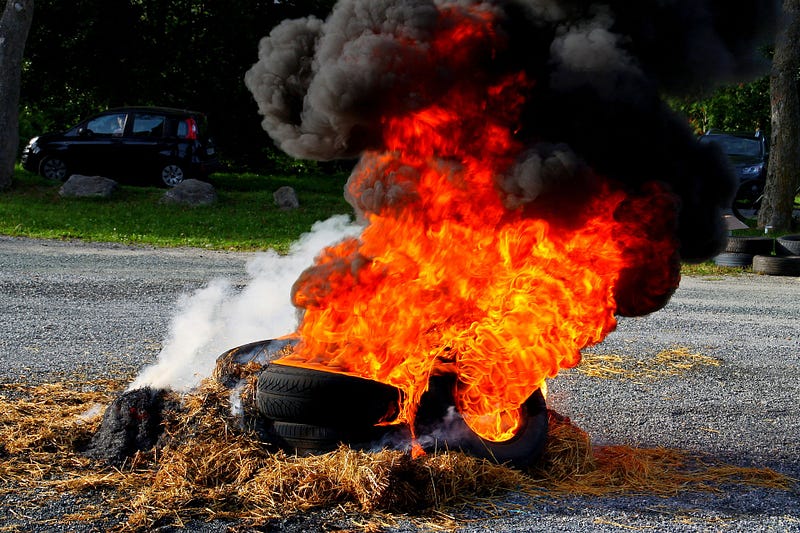
Ah, it was all such a grand theater.
The press got their shot and left, and employees also departed for their hard-won long weekends. Come the following week, a short discussion between management and the union heads quickly settled on what raises employees would receive for what fewer hours they would pretend to work in the coming year.
So What Are French Strikes Really For?
Have you not been reading along? The French are bored out of their skulls.
They spend a few hours a day at work, there are only so many cafes you can frequent, and maintaining a perpetually disaffected superiority is harder than it sounds.
Strikes are strictly for entertainment because the French already have the best standard of living in the world.
- Could they insist on reducing their workweek to 30 hours or even 20? Sure. But it would do them no good because it wouldn’t meaningfully change how much they work today.
- Could they insist on getting paid twice as much as they do today? Again, absolutely. But it would bring them nothing in terms of making their lives better, and they know it.
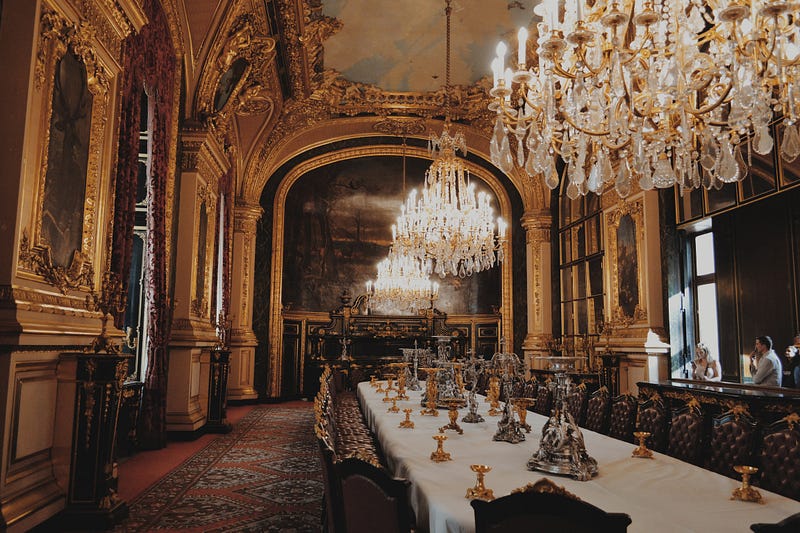
So, the French strike because it’s one big street party for them. And the politicians go along because it makes it seem to foreigners like French politicians’ jobs are hard.
When really, all Macron is doing is plotting which window to sneak out of on his next long weekend.
Be well.