The Real Reason Everyone Hated Marie Antoinette
Nothing to do with cake
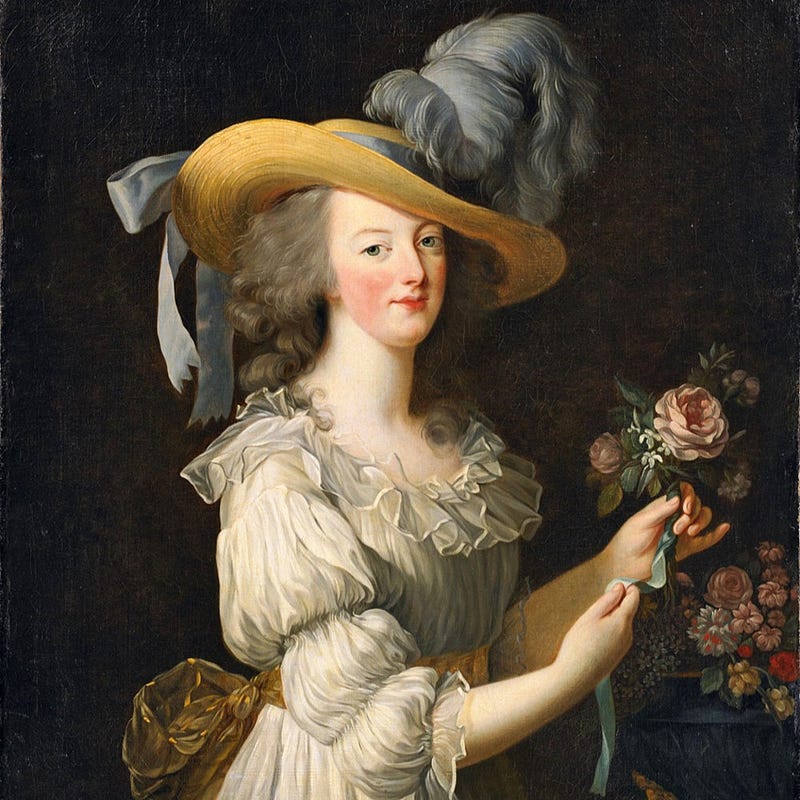
Marie Antoinette was a controversial figure in her time and has remained controversial to this day. To some, she is the embodiment of wasteful wealth and malicious power. To others, she is a victim who was unfairly treated and killed for her troubles. Wherever you land on this spectrum, there is no doubt that in her day, she was reviled and despised by large swaths of the French public. Some believe this was because of her spending habits or her infamous quote about letting the people eat cake. But neither of these things tells the whole story.
The truth about Marie Antoinette was that she was playing with the cards stacked against her from day one. The French people didn’t hate her because of who she was. They hated her because of where she came from.
The French-Habsburg Rivalry
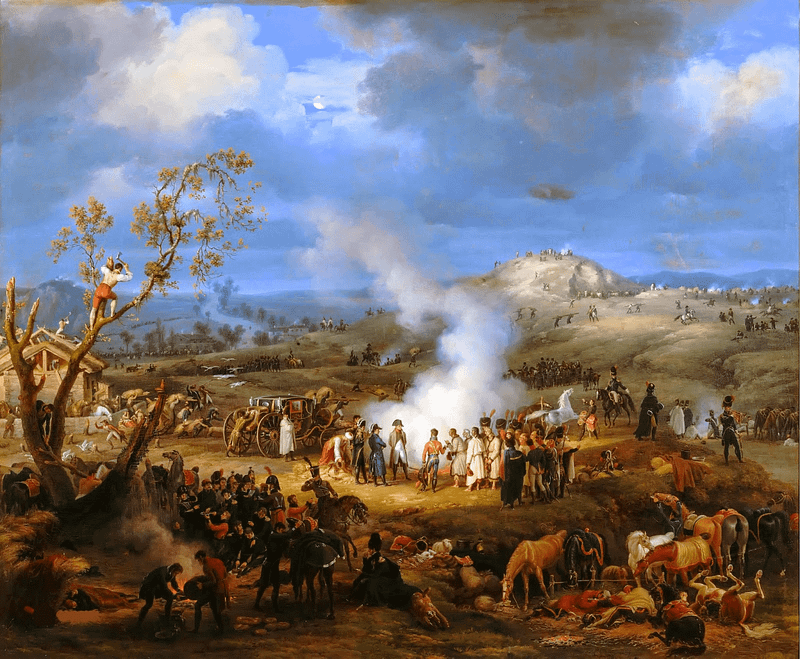
By the time Marie Antoinette entered stage left in the play of French history, the French had been in a two-hundred-year-long struggle with their bitter rivals, the Habsburgs. The Habsburgs were a political force de jure in Medieval and Renaissance Europe and controlled multiple thrones and vast tracts of land in Central and Southern Europe. The Habsburgs were Austrian, and their ancestral homelands and private estates were all in Austria. This put the French on the opposite side of the military table from Austria on numerous occasions.
The French fought against the Austrians in multiple bloody wars, including The Italian Wars, The Thirty Years’ War, and the Nine Years’ War. Most of the fighting had to do with Great Power Politics. The Austrians were generally favorable to the British, whose navies complimented Austria’s land forces. The Austrians were also mired in Italian and Spanish politics, two nations that directly bordered France. Unsurprisingly, France was also mired in Italian and Spanish politics during this era, putting them in direct conflict with the Habsburgs of Austria.
Every French child grew up with tales about the dastardly Austrians. News from the front usually included information about the enemy — the Austrians. Patriotism was deeply tied up in hatred for the Austrians. This patriotic fervor and anti-Austrian sentiment lasted for over eight generations. But all things must come to an end eventually.
The Diplomatic Revolution
In the 18th century, the main reason that France and Austria had fought each other so ferociously was gone. Spain was a power in irrevocable decline. No one wanted to jostle for Spanish influence anymore. Instead, eyes were turning abroad to other pursuits. With Spain out of the equation, the entire balance of power in Europe had to be realigned to ensure that no side became more powerful than the other.
Britain picked up new allies in the Prussians but lost close allies in the Dutch and the Austrians. France was forced to parlay with their bitter enemies, the Austrians, in order to keep a stable number of alliances to counteract the British.
It was this Diplomatic Revolution that set the table for future conflicts. The British were to become pro-German, a feature of their diplomatic face until the outbreak of World War I. France would become inextricably tied to Russia through, ironically, the Austrians, which would remain a feature of their diplomatic relationship until the end of World War II.
When the diplomatic feeding frenzy came to a close, it came as a great shock to the common Frenchman that their new supposed allies were none other than the Austrians. The very same Austrians they had been taught to hate for nine generations. To add insult to injury, this new alliance was being sealed in the traditional manner — via marriage.
The Austrian Princess Marie Antoinette was engaged to be married to none other than the Dauphin of France, Louis XVI.
The marriage was necessary from a political standpoint and a necessary from a tradition standpoint. To the people involved at the highest levels, this marriage was pure gold. But to the regular person working the land, it seemed like a betrayal of the highest order. The heir apparent to the great French kingdom was engaged to an Austrian. It was a horrifying thought and one that could not be reconciled.
The Austrian Princess
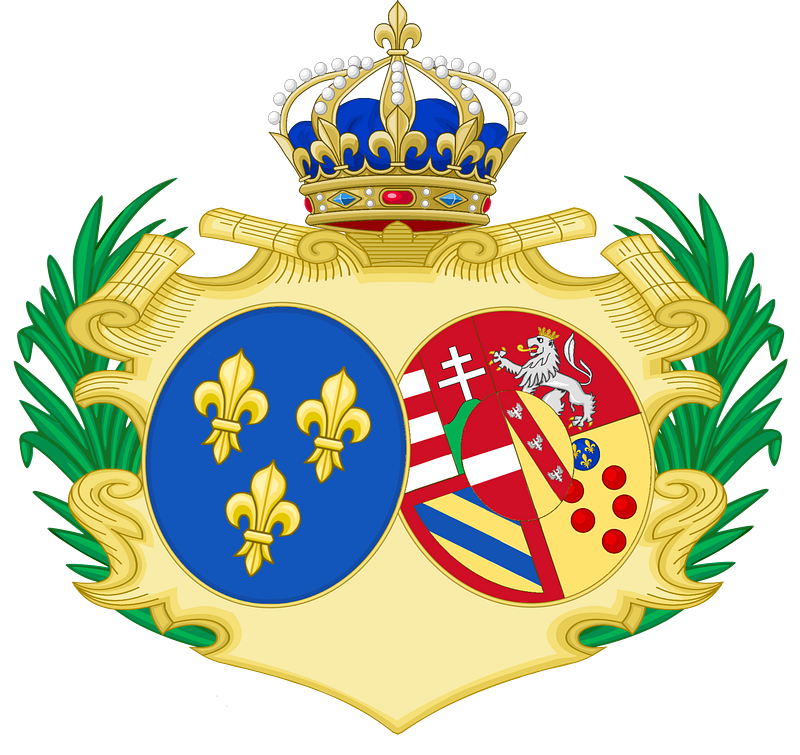
Again, Marie Antoinette had the deck stacked against her when she took her first steps into Paris. She was Austrian, and the common French people hated the Austrians. The fact that she was marrying their monarch did nothing to change that. It actually made it worse. When Marie Antoinette became the Queen, she was put under an intense spotlight. Not because of her spending habits. Not because of her language. But because of her heritage. One might even be able to argue that she was only under so much scrutiny because she was Austrian, and said scrutiny led to salacious details that only damaged her reputation further.
Would Queen Marie have been falsely accused during the Affair of the Diamond if she weren't Austrian? Would the French people have accused her of being promiscuous if she were French? Would an Italian princess be painted as a foreign spy lurking to undermine French power as Anoinette was? Probably not.
The important piece of the puzzle that most people miss when examining Marie Antoinette and the subsequent French Revolution was her nationality. Many people discount how much the French hated the Austrians. And for good reason. They had been rivals for hundreds of years. People do not forget that so easily.
Marie Antoinette became a visible face of what the people perceived as a real betrayal by the monarchy. The fact that they threw in with Austria was in direct conflict with the will of the people. Antoinette embodied that long before the rest of the problems with Louis XVI’s court became apparent.
As an Austrian, there was nothing that Marie Antoinette could do right. In fact, the only way she would have escaped the raw persecution of the people was if she had been the perfect Queen, which, of course, she wasn’t. That’s not her fault. No one is perfect. But when the entire population of a 25-million-strong kingdom is looking for an excuse to hate you, perfection is warranted.
Off With Her Head
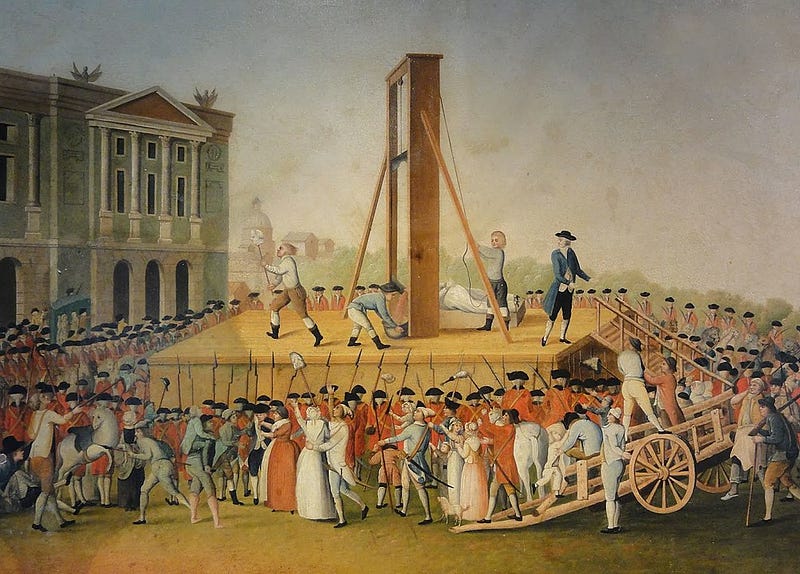
On 16 October 1793, the guillotine blade came whirling down and separated Marie’s pretty head from her body. She had been found guilty at a revolutionary trial and executed just two days later. She managed to outlive her husband for nearly a year but ultimately met the same fate. In a different world, Marie Antoinette might have escaped execution, but due to her links to the malignant mismanagement of the monarchy and her status as an Austrian who seemed to care not for the French people, her fate was sealed.
To this day, she remains a compelling and misunderstood figure. She was put in a bad situation by people she had no control over. The situation only got worse as time went on. She was never ever going to gain the love of the people. Her nationality put her under a microscope in which anyone would have withered. She was playing with an altered deck, and all of the cards were in the hands of her husband and the people. And she came up short.
The real reason everyone hated Marie Antoinette was that she was Austrian. Everything else became ancillary to that fact. The people’s disgust, distrust, and ultimately hatred for her was due to the fact that she came from a country that France had been fighting constantly for nearly 250 prior. It was not her fault. It was not the Frenchs’ fault for eating the patriotic soup fed to them for nine generations. But in the end, Marie Antoinette lay dead, and the country was shattered for a time.