
The Real-Life Doctor Who Treated King George’s Mental Illness Was Just As Brutal As ‘Bridgerton’
But it was the norm rather than the exception of late 18th-century mental health care
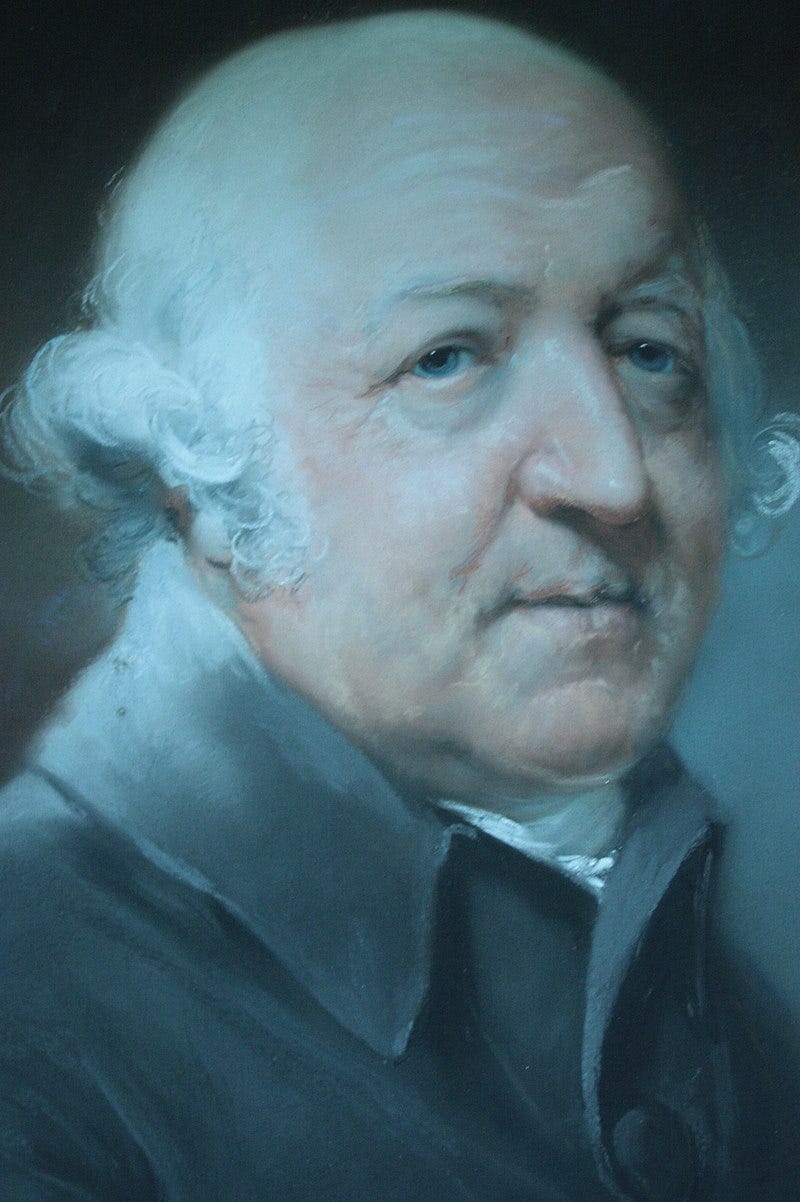
In the Queen Charlotte version of Bridgerton, King George III suffers a debilitating mental illness and goes to desperate lengths to treat it, especially in a time period when people didn’t know what mental illness was.
The doctor who secretly treats King George in the cellar of the palace resorts to harsh and horrifying methods, including bloodletting him, waterboarding him, tying him to a chair and gagging him, and forcing him to spend a lot of time in freezing water.
The Queen stops these treatments after hearing the King’s endless screams, and the doctor who treats it is depicted as torturing and tormenting the King rather than actually making him better.
That doctor is Dr. John Monro, who according to Diksha Sundriyal at The Cinemaholic, was a real doctor famous for treating “madness” in the United Kingdom in the late 18th century. He was a physician at Bethlem Hospital, which was notorious for allowing visitors to pay money to observe mentally ill patients.
But the actual doctor most famous for treating King George was not Dr. Monro.
Instead, it was a man named Francis Willis.
Who was Francis Willis?
In real life, King George was known to have violent fits and had an unfortunate nickname of the “Mad King George.” His worst episode of mental illness was in 1788, and historians believe that King George had a blood condition called porphyria, which causes epileptic fits and seizures.
However, some contemporary historians have contested this diagnosis, instead pointing to bipolar disorder as the most likely mental illness that aligns with the King’s symptoms.
In 1788, the Queen Consort hired Dr. Willis to treat the King.
Writer Will Parker, who transcribed a number of King George’s menus in 1789, found one menu where King George referred to himself as “Dr. Willis’s servant,” a seeming validation of the brutally torturous methods Willis may have used to try to subjugate King George as a subject.
Parker notes Willis was born to a minister in 1718, and then graduated with his MA at Oxford University in 1741 to be a priest.
Willis became an ordained priest, like his father and because the calling ran in the family, but eventually grew disillusioned with the ministry. Willis returned to Oxford University in the late 1750s to study medicine instead.
He eventually became known for treating the mentally ill, becoming a physician at the Lincoln General Hospital. He started treating people in his own home and built a reputation for successful treatment.
It’s important to note that Willis was a bit of an outcast from the medical elite and establishment when he was called to treat the King. He was not a member of the Royal College of Physicians and was known to have unorthodox methods.
The king would go on to be Willis’s most high-profile patient.
Willis’s treatments of King George
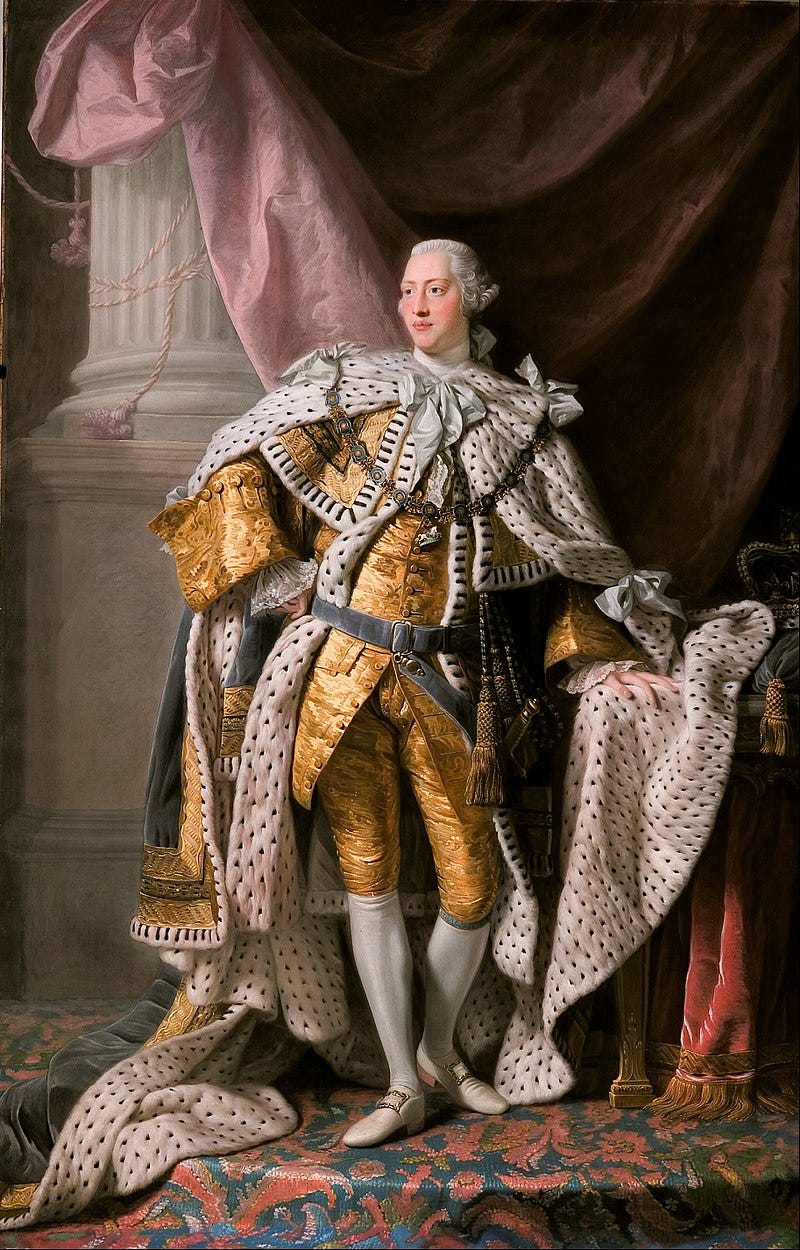
According to English historian Earl Phillip Henry Stanhope, Willis had a strong reputation as someone who cured King George’s “madness” almost immediately.
Prior to Willis treating King George, George III was denied a razor at his toilet and was denied a fork and knife at his table. Francis Willis allowed King George to have these items again.
Queen Charlotte had Willis take up residence at Kew Palace, the home of King George and Queen Charlotte.
Willis was known for being kinder than other doctors at the time who treated mental illness. However, he also resorted to very harsh methods like the other doctors. In one diary entry, Willis describes putting the king’s feet in water and vinegar for half an hour. Willis was also given a very strong dose of bark, which sedated him and put him to sleep for about an hour and a half.
A lot of treatments depicted in Bridgerton were true — Parker notes Willis had King George tied to a chair, bound and gagged while Willis lectured at him. Willis’s assistants would beat him, and part of his treatment would involve blistering the legs of King George to “draw out bad humours,” according to Parker.
Even though his “delusions continued unabated,” Stanhope notes George had much greater calmness and better health. Within two months, Willis reported George III was completely recovered, which made Willis a celebrity for the time period.
He had five fancy portraits of him painted as a result, much to the chagrin of other royal physicians that did not take Willis’s treatments and practice seriously. Prime Minister William Pitt gave Willis a pension of £1,000 per year as a reward.
Legacy
It’s important to note Willis’s treatments were the norm rather than the exception and had a reputation for being even milder and kinder than those of other physicians. If this was how a doctor who treated mental illness treated the king, the most powerful person in the most powerful imperialist empire in the world, we would be horrified to imagine how regular people in asylums were treated.
Although Willis and other doctors who treated mental illness believed they were doing the right thing, such methods age horribly by 2023 standards. To be fair, these doctors did act with the knowledge they had at the time, and Willis had a reputation as a relatively progressive reformist.
Ultimately, King George’s recovery was only temporary. He would suffer relapses throughout his life involving episodes of mania and hypomania. In 1810, King George’s relapse into mania would be permanent following the death of his daughter, Princess Amelia. After this period, King George stopped writing his letters himself.
Willis died in 1807, so later treatments of King George were done by Willis’s sons. And it’s important to note that even today, most mental illnesses cannot be cured, merely treated and managed. As someone who has struggled with anxiety, even a temporary reprieve like the result of Willis’s treatment of King George in 1789 feels like a huge success.
Treating King George did wonders for Willis’s fame, practice, and reputation. Willis’s next most prominent patient was Queen Maria I of Portugal three years after treating King George. According to Timothy Peters and Clive Willis in the British Journal of Psychiatry, Willis advised “moral management” and nutrition over medicating Queen Maria, which ultimately didn’t work.
Although Willis’s treatment of Queen Maria was more hands-off, Peters and Clive Willis point to the pressures of court life and various stressors of, well, being the queen as sources of significant distress. Willis wanted to take Queen Maria on a vacation to England, but the plan was rejected because of the sheer amount of people and officials that would have to go with her. Queen Maria’s son would become Prince Regent and rule in her stead after 1792.
Despite the lack of results, Willis made £16,000, which is worth over £3,000,000 today before returning to England.
Willis is actually portrayed favorably in the famous play The Madness of King George III, while Dr. Monro is depicted as someone who just made the King suffer for no reason in Bridgerton.
Clearly, Willis’s legacy is mixed, but most agree that his treatments are a symptom of the horrid treatment of the mentally ill at the time rather than malevolence and bad intent on the part of Willis himself.


#/media/File:Dr_Francis_Willis_(detail)_by_John_Russell,_1789,_National_Gallery,_London.JPG)
