
The Real Climate Impact of the Hunga-Tonga Volcanic Eruption: Don’t Be Fooled By Denialism
The volcano reshaped the seafloor — now it’s being used to shape our minds
Volcanoes are like Earth’s climate regulators, operating on both long and short timescales. While they play a crucial role in the carbon cycle over millions of years, short-term volcanic eruptions can also have significant but temporary effects on our climate.
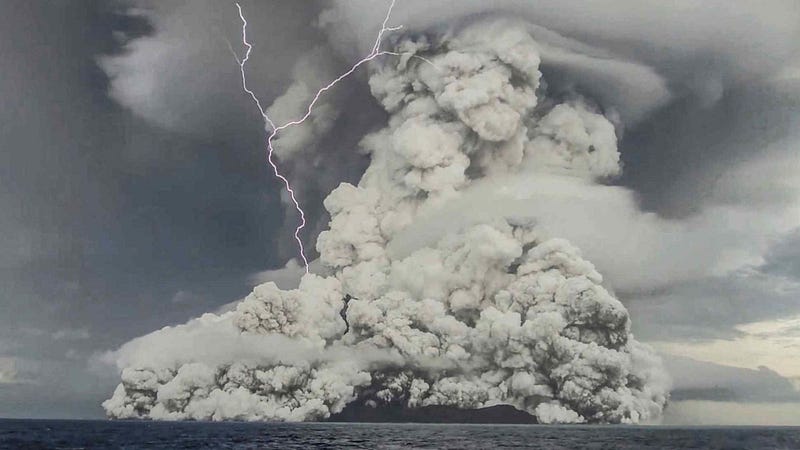
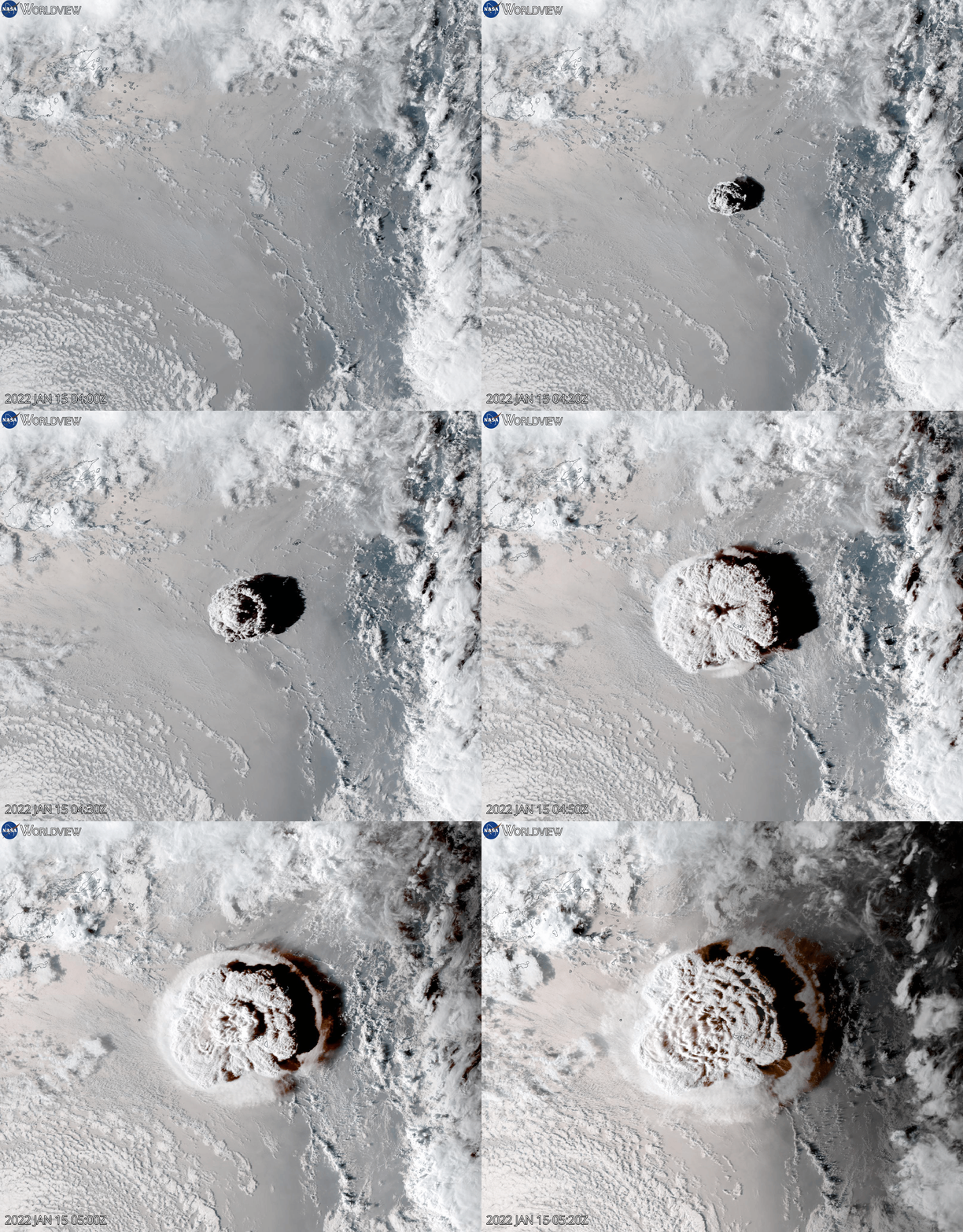
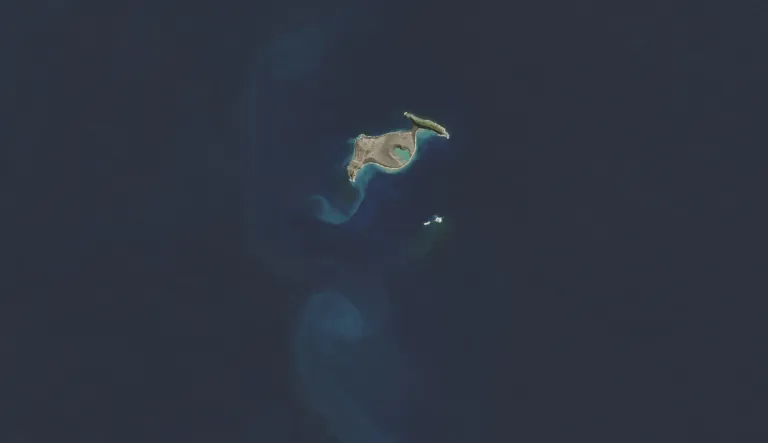
For years, the summit of the massive undersea volcano known as Hunga Tonga-Hunga Ha’apai peeked out above the waves in the southern Pacific Ocean, looking like a miniature island. On January 14th, 2022, the drowned caldera under the South Pacific isles erupted in one of the most dramatic geologic events in recorded history. The volcanic eruption shot gas and ash 53 kilometers into Earth’s mesosphere. It darkened the sky over the 171 Polynesian Kingdom of Tonga islands. The most potent explosion observed on Earth in modern history unleashed a tsunami that reached Peru, and a sonic boom heard as far as Alaska. There were global consequences, too.
Consequences Deep Down
An estimated 75% of Earth’s volcanoes are underwater, and 20% of all fatalities caused by volcanic eruptions since 1600 CE have been associated with underwater volcanism. Yet, explosive underwater eruptions are poorly understood.
Volcanic debris from the Hunga eruption in the form of rock, ash, dust, and glass fell back into the water and traveled under the sea at an unprecedented distance, reshaping the seafloor. It moved as much matter in a few hours as the world’s rivers delivered into the oceans in a year. These immense flows traveled at a record-breaking speed — reaching 122 km/hour, faster than the speed limit on most highways and 50 percent faster than any other underwater flow recorded on the planet. This is bog-standard for such eruptions, and it typically produces the fast-moving pyroclastic flows that menace anything in their path. But over Hunga Tonga–Hunga Haʻapai, that falling mass had nowhere to go but out to sea.
“It’s like seeing a snow avalanche, thinking you’re safe on the mountain next to it, and this thing just comes straight up against you,” says Michael Clare, a marine geologist at the National Oceanographic Centre and author.
It also destroyed part of the network of seafloor telecommunication cables (seafloor cables carry 95% of global communications). While this was a significant inconvenience for Tongans and rescue efforts, it was a valuable timestamp for scientists, who could piece together what occurred beneath the tsunami waves. The cable was severed approximately an hour and a half after the eruption, indicating the eruption’s effect on the seafloor.
“These processes have never been observed before,” says study author Isobel Yeo, a marine volcanologist at the UK’s National Oceanography Centre.
To uncover the seafloor disruptions, scientists had to get creative. Unlike terrestrial events visible from satellites, changes below the ocean’s surface required direct inspection. Fortunately, the seafloor around Tonga had already been mapped, enabling scientists to corroborate topographical changes.
Consequences Up High?
→ Sulfur Gases: The Cooling Factor
Volcanic eruptions are well-known for their cooling effect on climate. This effect arises from the release of sulfur gases into the stratosphere, where they combine with water vapor to create tiny droplets called volcanic aerosols. These minuscule particles act like shades, reflecting sunlight away from Earth’s surface and causing cooling. For example, the 1991 eruption of Mt. Pinatubo cooled the climate by about 0.5°C for a few years after the event.
While Hunga Tonga did release sulfur gases (0.4 MtSO2), these were far less than the 1991 Pinatubo volcanic eruption (~20 MtSO2). Thus, the lesser impact though it has sparked claims that it’s to blame for our recent hot weather.
→ A Surge of Water Vapor
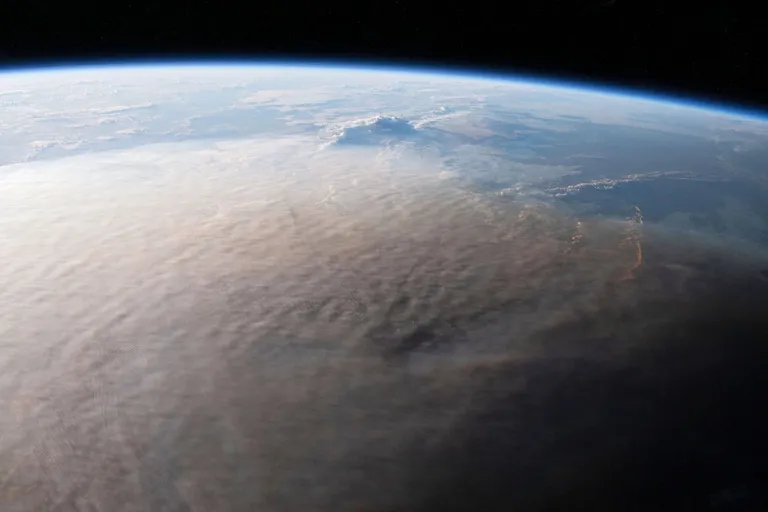
What sets the Hunga Tonga eruption apart is the enormous amount of water vapor it injected into the stratosphere: equal to 10% of the water already in that atmospheric layer and enough to fill more than 58,000 Olympic-size swimming pools. Water vapor acts as a greenhouse gas, which means it tends to warm the climate. So, the overall atmospheric impact of this eruption is the net difference between the cooling effect of aerosols and the warming effect of water vapor.
With all due considerations, the most recent publication by Dr. Mark Schoeberl determined that:
“The direct solar radiative cooling associated with the HT aerosols overwhelms the enhanced thermal radiation from stratospheric water vapor plume. Our results are in good agreement with net radiative forcing changes estimated by Silletto et al. and Zhu et al. We find that the zonal mean peak change in net radiative forcing occurs in May 2022, but the SH average forcing peaks in June/July as the constituents spread throughout the SH. Using the observed impact on tropospheric temperatures from Pinatubo as a scale, Hunga-Tonga would produce an SH annual average surface temperature change of less than −0.038°C for clear skies and −0.021°C for all skies.”
On the contrary, Jenkins et al. estimated that the warming effect of water vapor would increase the global average surface temperature by a few hundredths of a degree, but their study neglected the role of volcanic aerosols in reducing solar flux. Other significant studies into Hunga-Tonga include:
- Zhang et al., accounting for both aerosol cooling and water vapor warming, concluded a decrease in surface temperature by about 0.0315–0.1118°C over the next 1–2 years.
- Zhu et al. inferred that the net effect of the volcano would be cooling, with a total radiative forcing of around -0.2 W/m² on the Earth’s surface.
- Yu and Huang et al. arrived at nearly identical results, also in good agreement with net radiative forcing changes estimated by Silletto et al. and Zhu et al.
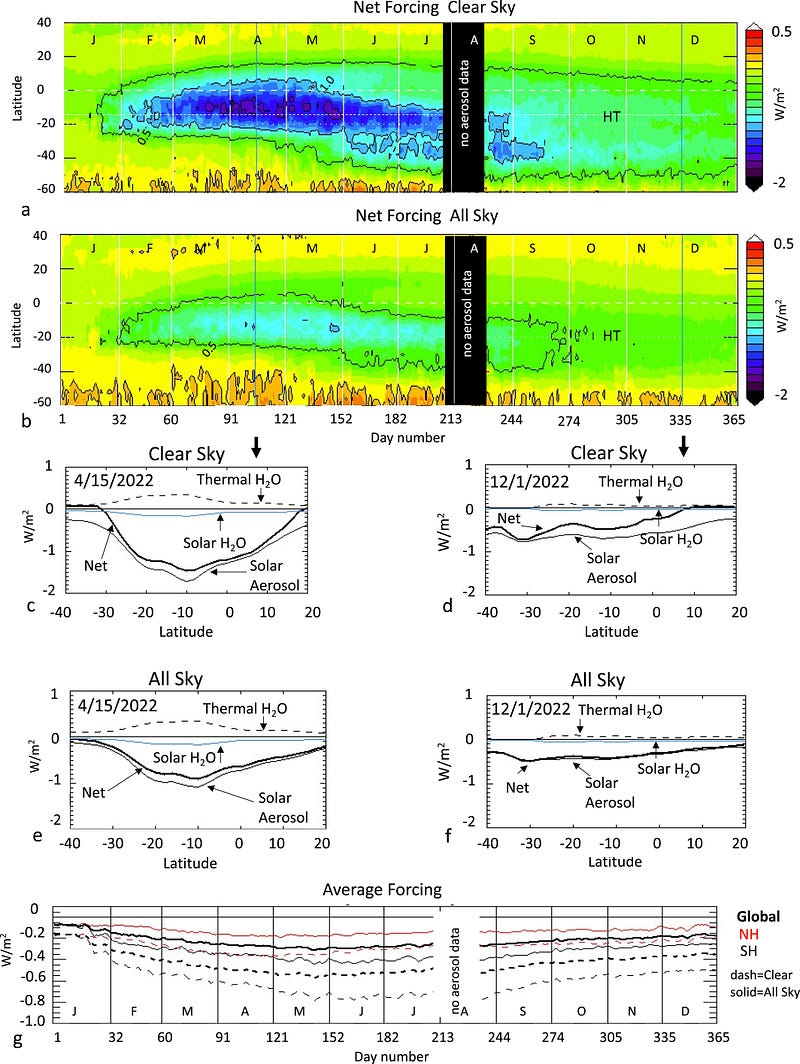
You might wonder why the massive water vapor injection into the stratosphere isn’t causing significant warming. It’s all about where the water went: most reached heights above 25 km where its climate impact is minimal.
This clarifies that Hunga Tonga is unlikely to be the cause of the current high temperatures. And the comprehensive science done so far suggests this phenomenon is more likely to cool the climate system.
In Need of a Wiser Choice
Hunga Tonga-Hunga Ha’apai’s impact on climate is relatively small and unlikely to be the cause of our current weather woes — in fact, it is likely to be cooling the environment. If you’re feeling the heat, consider the broader context and recognize that the influence of volcanic eruptions on the global climate is relatively small compared to other factors, such as human activities like burning fossil fuels.
Yet, as Andrew Dessler said: “The spectacular nature of this event has led many climate deniers to proclaim that this is why it’s so hot this summer.”
The world is getting uncomfortably close to an average temperature increase of 1.5°C above pre-industrial levels set by the 2015 Paris Agreement. This limit, considered crucial to avoid hitting points of no return, is now in jeopardy. A May World Meteorological Organization report indicated a 66% likelihood of crossing this threshold between 2023 and 2027. But Berkeley Earth now estimates a 55% chance that 2023 will see an average temperature increase of 1.5°C.
So, how long are we going to keep denying the climate crisis?

The impacts, once projected for 2050, are already upon us. Libya destroyed, New York under water, Canadian megafires, landslides and glaciers disappearing, Antarctic ice-sheet formation at record lows, heatwaves all over the globe — these are signs that the predicted mega-scale impacts are arriving far sooner than anticipated.
The damages are undeniable. Towns razed, Canada emitting more carbon from megafires than any other source this year, failing crops, jeopardized water, and unbreathable air in unexpected places. And we’re just at 1.2 degrees. Imagine what 3 degrees would bring — entire regions uninhabitable, fundamental systems failing, and the fabric of society tearing apart.
A distressing figure emerged in a recent review of 180 articles on the human death rate of climate change: upwards of a billion people could die from climate-related catastrophes over the next century. A billion lives lost would be the single greatest tragedy in human history. To put it in perspective, approximately 75 million people perished during World War II. This climate crisis could be an order of magnitude larger than that. To put this in perspective, that’s around a tenth of the world’s population. One out of every three families on Earth losing a member due to climate change. It induces the “1000-ton rule,” according to which a future person dies for every 1000 tons of CO2 emissions. And it’s based on solid scientific consensus.
This should provoke a strong reaction in each of us. And it often does, triggering the Dunning-Kruger effect, a phenomenon where non-experts or cynical deniers feel a need to challenge or refute the facts. But dismissing this data would be unwise: read the paper yourself. This is cutting-edge research that deserves to be taken seriously.
Consider the European heatwaves that claimed over 60,000 lives, and then imagine what will happen when similar heat thresholds are crossed in the Indian Subcontinent, the American West, or Southeast Asia. Another study links 5 million deaths annually to abnormal temperatures, likely to rise as climate impacts intensify.
The point here isn’t to convince you of a specific number but to emphasize the scale of the challenge. Unfortunately, most of us are unaware of these facts. The United Nations Secretary-General frames climate change as a choice between collective suicide and collective action. Yet, not a single headline. But it should. Instead, trolls, denialists, and scientists harassed and silenced while we pedal the gas. And lack of awareness leads to a lack of progress and even regression.
Our world is at a stage where every decision related to climate change is pivotal, and we may not have many chances left to act. And we are all going to have to act on this. Whether we like it or not.
Thank you for your thorough reading and support!
If you crave more insights into climate change, scientific progress, and geopolitics with a Patagonian twist, subscribe to the newsletter Antarctic Sapiens and dive into thought-provoking content weekly.


