
The question is not where, or how, but when
Millennials vs Generation X — Different fans, and not in a bad way.
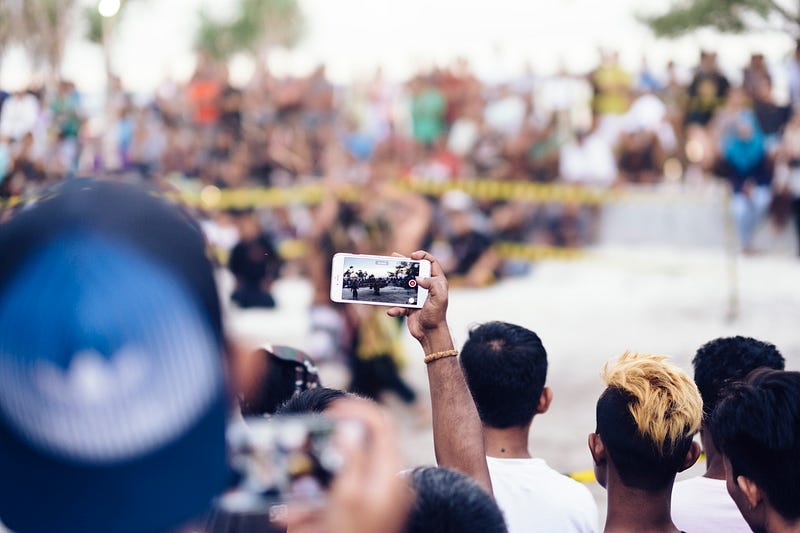
A few days ago, I had a conversation with a friend of mine about our passion for sports, for certain teams and players, and how they influence us as fans, how as kids we grow to love them. The reason was mainly for the way they act on the football pitch/arena or basketball court. If they acted as leaders, carried the team, or played in an inspiring way, we wanted to be like them.
And if a player was fulfilling any of these three, he would get media time, appear in commercials and attract other publicity that will bring added value to the team. Of course, he will benefit as an individual, but the team has a lot to gain from a player who has a lot of fans, no matter where he plays or how good he is on the court.
Maybe I will sound like an old person grumbling, but the way millennials consume sport is very different from Gen X. Not better, not worse, just different.
It’s no surprise that millennials have different wants and expectations from sports. With new industries like esports rising, attendance of the younger generations at live sporting events has declined — these new preferences are changing the face of sports.
Imagine the 2030 draft, instead of a dribble, shooting speed, strength, and power we will have followers on social media, TikTok singing abilities, and a number of Snapchat photo uploads.
As the sports industry seeks to build new direct-to-consumer channels, age is an ineffective way to segment and target digital sports fans. Older generations are adopting digital technology almost as fast as millennials, and fans’ online behaviors are far better signals of purchase intent. The following are a few important findings.
Franchises and networks have had to adapt and adjust to these changes in consumer attitudes, acting in the short-term, for instance, with stats and quick highlights breaking down how and what the change is for new generations.
Millennials enjoy sports just as much as other generations. It’s the way they consume sports that is different. When watching live sports, there’s nothing like sitting on the edge of your seat and watching your favorite team or player scores the winning goal or make a basket at the last second in the final match. Today, live streaming platforms are providing sports fans with a way to watch their favorite games without relying on traditional TV. Athletes now create their own individual media brands through their social platforms. Learning how to create multi-dimensional content utilizing athletes, touches on passion points that are appealing to millennials’ action-oriented mindsets.

Over the last decade, millennial sports fans have contributed to a decrease in live TV ratings and attendance at live events. The percentage of fans has slipped from about 35% to 30% in stadiums’ occupancy. For all the exposure that the NFL has been receiving, teenage interest has fallen from 26% to 19% over the past two decades instead of customized highlights, web analysis, podcasts, or other media that they can consume for free has flourished. When they do arrive, they are often distracted, using personal devices to engage with the team and stadium and stay up to date with friends. While this takes place, time will pass until stadium capacity will return to how we remember it (it’s not the same no matter how exciting the current game is). Millennials are the generation that value experiences and explore, so what do young fans want out of their live events? What will it take for teams and venues across leagues to get fans off the couch and back into the stadium? The problem of declining attention spans will not be solved by TV, video, or PCs and mobile devices.
As media and sports companies create new digital products, including services for live-streamed events, highlights, fan commentary, news, and analysis, they should innovate for new, digital behaviors that cut across generations. And they should concentrate in 3 main action plans:
1. Viewing sessions with quick navigation to other games for instance.
2. One-click access from social media or a search that will be triggered by alerts on popular game situations or previous fan history.
3. Fast social media sharing of game highlights that can allow fan comments and increase fans’ engagement.
Both generations are consuming digital sports at the expense of traditional TV viewing. Sport-tech companies or media companies that will develop digital products can defiantly leverage these 3 factors and build stronger fan bases than ever before.

So, what do I mean: when will it happen? Transformation doesn’t happen overnight, and we can’t really predict the date that the needle moves and sports-consuming fans are in perfect synergy, but we are consuming much more as millennials do since 2020 started. In my article “The Future of Sports As We Know It”, I made an assumption that COVID-19 will be the catalyst for sports technology take over, instead of waiting for the will of millennials.