
The Psychology of Regret: Causes Consequences and Coping
Of all the words of mice and men, the saddest are, “It might have been.” ― Kurt Vonnegut

Regret is a complex emotion that plays a significant role in human psychology. It is a feeling of sadness, disappointment, or distress over something that has been done or failed to be done. Regret can be a powerful motivator for change, but it can also lead to a range of negative emotional states, including depression, anxiety, and feelings of worthlessness.
Understanding Regret
Regret is often associated with the concept of missed opportunities. Gilovich, Medvec, and Kahneman (1998) in their seminal work highlighted the impact of inaction on the experience of regret. They demonstrated that, over the long term, people tend to regret actions not taken more than actions taken, despite the immediate emotional impact of the latter. This dichotomy between short-term and long-term regret plays a crucial role in decision-making processes.
Additionally, the intensity of regret is influenced by several factors. Roese and Summerville (2005) noted that the ease with which an alternative outcome can be imagined plays a significant role in the intensity of regret. When individuals can easily envision a more favorable outcome, the feeling of regret is often more intense. This is closely related to the concept of “what might have been,” which leads individuals to ruminate on different choices and their potential outcomes.
Regret and Decision-Making
The role of regret in decision-making is multifaceted. According to Zeelenberg and Pieters (2007), regret is a consequence of decision-making that can, in turn, influence future decisions. This feedback loop can lead to more cautious decision-making, as individuals seek to avoid the painful feelings associated with regret. However, this can also lead to a paradox where the fear of regret causes individuals to avoid making decisions altogether, potentially leading to more missed opportunities and, consequently, more regret.
Beike, Markman, and Karadogan (2009) explored how the anticipation of regret can shape decision-making. They found that the anticipation of regret can be a useful tool in making more thoughtful decisions, as individuals consider the potential for future regret when making choices. However, this can also lead to decision paralysis, where the fear of regret inhibits action.
Marry, and you will regret it; don’t marry, you will also regret it; marry or don’t marry, you will regret it either way. Laugh at the world’s foolishness, you will regret it; weep over it, you will regret that too; laugh at the world’s foolishness or weep over it, you will regret both. Believe a woman, you will regret it; believe her not, you will also regret it… Hang yourself, you will regret it; do not hang yourself, and you will regret that too; hang yourself or don’t hang yourself, you’ll regret it either way; whether you hang yourself or do not hang yourself, you will regret both. This, gentlemen, is the essence of all philosophy. ― Søren Kierkegaard
Coping with Regret
Coping with regret involves several psychological strategies. According to Bonanno and Burton (2013), resilience plays a key role in coping with regret. Individuals who are more resilient are better able to cope with the negative emotions associated with regret and can move forward more effectively.
Mindfulness and acceptance are also important coping strategies. As Hayes, Strosahl, and Wilson (1999) pointed out in their discussion on Acceptance and Commitment Therapy (ACT), accepting one’s feelings of regret without judgment can lead to healthier coping mechanisms. By acknowledging regret and learning from it, individuals can avoid the negative spiral of rumination and depression.
Maybe all one can do is hope to end up with the right regrets. ― Arthur Miller, The Ride Down Mt. Morgan
Regret and Mental Health
The relationship between regret and mental health is significant. Regret can lead to depressive symptoms, anxiety, and a decreased sense of well-being. Conversely, a healthy approach to dealing with regret can contribute to greater psychological resilience and overall mental health.
Research by Wrosch, Bauer, and Scheier (2005) highlighted the impact of regret on mental health. They found that persistent regret can lead to chronic stress, which in turn can have a negative impact on physical and mental health. Learning to let go of regret, therefore, is not only psychologically beneficial but also essential for physical health.
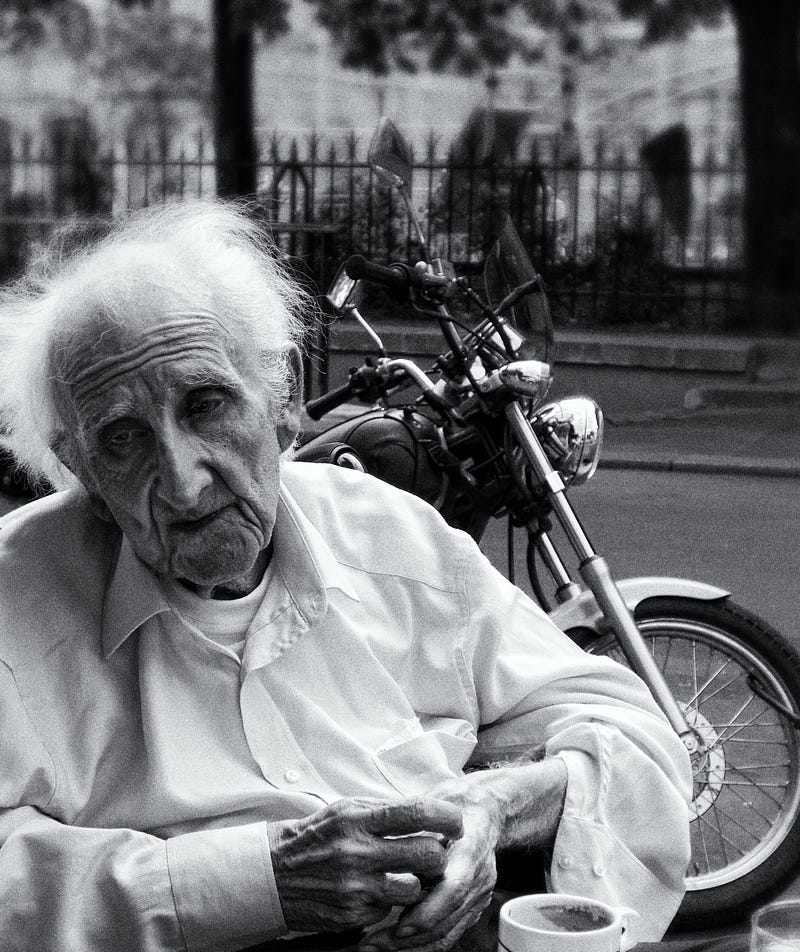
Regret is a complex and multifaceted emotion that plays a significant role in human psychology. Understanding the mechanisms of regret, its impact on decision-making and mental health, and effective coping strategies is essential for psychological well-being. As research continues to evolve in this field, it offers valuable insights into how individuals can better manage their feelings of regret and use these experiences for positive personal growth.
References
Beike, D. R., Markman, K. D., & Karadogan, F. (2009). What we regret most are lost opportunities: A theory of regret intensity. Personality and Social Psychology Bulletin, 35(3), 385–397.
Bonanno, G. A., & Burton, C. L. (2013). Regulatory flexibility: An individual differences perspective on coping and emotion regulation. Perspectives on Psychological Science, 8(6), 591–612.
Gilovich, T., Medvec, V. H., & Kahneman, D. (1998). Varieties of regret: A debate and partial resolution. Psychological Rreview, 105(3), 602.
Hayes, S. C., Strosahl, K. D., & Wilson, K. G. (1999). Acceptance and commitment therapy: An experiential approach to behavior change. Guilford Press.
Roese, N. J., & Summerville, A. (2005). What we regret most . . . and why. Personality and Social Psychology Bulletin, 31(9), 1273–1285.
Wrosch, C., Bauer, I., & Scheier, M. F. (2005). Regret and quality of life across the adult lifespan: The influence of disengagement and available future goals. Psychology and Aging, 20(4), 657–670.
Zeelenberg, M., & Pieters, R. (2007). A theory of regret regulation 1.0. Journal of Consumer Psychology, 17(1), 3–18.