
The Psychology of Possessions: What Our Things Mean to Us
The Power of Objects
Possessions are a fundamental aspect of human life. From the earliest civilizations, people have accumulated things and used them to express their identity, status, and personal values. Our possessions hold emotional and symbolic significance, and they can tell the story of who we are and what we value. In this article, we will explore the psychology of possessions and what they mean to us.
The study of possessions is an interdisciplinary field that encompasses psychology, sociology, anthropology, and consumer behavior (Belk, 1988; Dittmar, 1992). Researchers have investigated how possessions influence our sense of self, our relationships with others, and our attitudes and behaviors. The insights gained from these studies provide a deeper understanding of why possessions are so important to us and how they shape our lives.
The Self-Expression Hypothesis
One of the key insights from the study of possessions is the self-expression hypothesis (Belk, 1988). This hypothesis suggests that possessions serve as a means of communicating our identity and values to others. Our possessions reflect our personality, interests, and aspirations, and they can be used to signal who we are and what we stand for. For example, someone who values environmental sustainability may choose to own a hybrid car or purchase products made from recycled materials. These choices send a message to others about their values and help to establish their identity as someone who cares about the environment.
The self-expression hypothesis has been supported by a number of studies that have shown that people use possessions to express their individuality and to communicate their personal identity (Belk, 1988). In Belk’s studies, participants were asked to describe their most valued possessions. The results showed that participants used their possessions to express their personality, values, and aspirations. They reported that their possessions reflected their interests, beliefs, and lifestyles, and that they used them to communicate their identity to others.
The Importance of Material Possessions
Material possessions are also important to us because they serve as a source of comfort and security (Belk, 1988; Dittmar, 1992). We use our possessions to create a sense of stability and familiarity in our lives, and they can provide a sense of continuity even when other aspects of our lives are changing. People often hold onto sentimental items such as family heirlooms or childhood toys, even if they no longer have practical use. These possessions serve as a reminder of our past and help to connect us to our personal history.
Moreover, possessions can also provide a sense of control and mastery over our environment (Belk, 1988). By choosing and acquiring things, we have the ability to shape our physical surroundings and create a sense of order and structure in our lives. This can be especially important for people who feel overwhelmed or uncertain about their place in the world. By controlling their possessions, they can create a sense of stability and security, even when other aspects of their lives are uncertain.
The Social Significance of Possessions
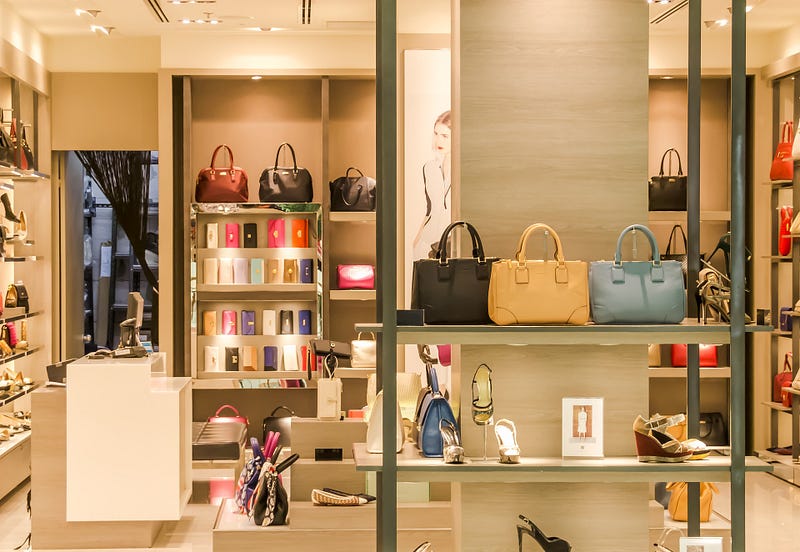
In addition to serving as a means of self-expression and providing comfort and security, possessions also play a significant role in our social relationships (Belk, 1988; Richins, 1994). Our possessions can be used to signal our status, wealth, and social standing, and they can influence how others perceive us. For example, a designer handbag or a luxury car can signal to others that we are wealthy and successful. This can be especially important in cultures where status and material success are highly valued.
Possessions can also be used to create and maintain social connections (Belk, 1988). For example, people often give gifts to each other to celebrate special occasions or to
express affection. These gifts serve as a symbol of the relationship and can help to strengthen the bond between the giver and the recipient.
The Dark Side of Possessions
While possessions can bring joy, comfort, and security, they can also have a negative impact on our lives. There is a dark side to our relationship with possessions, and the accumulation of things can lead to negative outcomes such as stress, anxiety, and depression.
Materialism is a state of mind that prioritizes material possessions over other values such as relationships, personal growth, and spirituality. People who are highly materialistic place a great deal of importance on owning things and may feel that their self-worth is tied to the possessions they own. This can lead to a constant pursuit of acquiring more and more things, which can result in financial stress, relationship problems, and a sense of emptiness (APA, 2014; Kasser, 2002).
In addition, the accumulation of possessions can lead to clutter and disorganization, which can have a negative impact on our physical and mental well-being. Clutter can cause stress, anxiety, and feelings of being overwhelmed, and it can interfere with our ability to focus and be productive. It can also make it difficult to find the things we need and can lead to a sense of disarray in our physical environment (Kasser, 2002).
Furthermore, the focus on material possessions (and the relentless pursuit thereof) can distract us from other aspects of our lives that are more important, such as our relationships and personal growth. It can cause us to lose sight of what is truly meaningful and can lead to feelings of dissatisfaction and unhappiness.
Our possessions play a significant role in our lives and are an important part of our identity, for better or worse. They serve as a means of self-expression and influence our social relationships. The study of possessions continues to provide valuable insights into the human experience and how our things shape our lives. While possessions can bring joy and comfort, it is important to be mindful of the dark side of our relationship with things. By recognizing the potential negative outcomes of materialism and focusing on what is truly important in our lives, we can cultivate a more balanced and fulfilling relationship with our possessions.
References
American Psychological Association. (2014, December 16). What psychology says about materialism and the holidays. https://www.apa.org/news/press/releases/2014/12/materialism-holidays
Belk, R. W. (1988). Possessions and the extended self. Journal of Consumer Research, 15(2), 139–168. https://doi.org/10.1086/209154
Dittmar, H. (1992) The Social Psychology of Material Possessions: To Have Is to Be. Hemel Hampstead, England: Harvester Wheatsheaf and St Martin’s Press, New York.
Kasser, T. (2002). The high price of materialism. Cambridge, MA: MIT Press
Richins, M. (1994). Valuing Things: The Public and Private Meanings of Possessions. Journal of Consumer Research. 21, 504–21. 10.1086/209414.


