The Psychology of Money
The Human Side of Financial Decision-Making
Hi lovely readers!
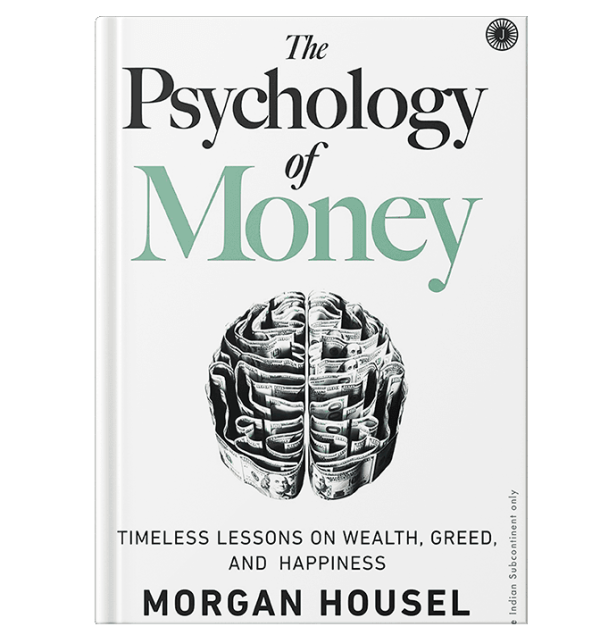
Have you ever wondered: What’s the secret to making wise financial decisions? Is it a thorough understanding of the stock market, a keen eye for the right moment to buy or sell, or perhaps a rigorous savings plan? While these elements are significant, they often overshadow a critical factor: the human psyche. In his book “The Psychology of Money,” Morgan Housel dives deep into the intricate relationship between people and their finances. He argues that to truly grasp why individuals make the financial choices they do, we must explore the realms of envy, greed, and optimism. In this article, I aim to provide you with a glimpse into Housel’s fascinating insights by sharing the main highlights of his enlightening book.
My 8 Takeaways
- Diverse Financial Experiences: Everyone’s financial perspective is shaped by their unique life experiences. The Great Depression, for example, had varying impacts on different families. Understanding these personal narratives is crucial in grasping the broader economic picture.
- Driven by Personal History: People’s investment strategies and financial decisions are often deeply influenced by their personal histories, particularly their early adulthood experiences with the economy.
- Economic Concepts as Historical Infants: Many financial mechanisms we take for granted today, such as retirement plans and consumer debt, are relatively new. Our struggles with financial planning might stem from our inexperience with these concepts.
- The Significant Role of Luck: Luck plays a more substantial role in financial success than many might admit. Understanding its impact can provide a more realistic perspective on investment outcomes and success stories.
- Patterns Over Specifics: To make wiser financial decisions, focus on broad patterns of success and failure rather than emulating specific individuals. Success stories often involve a fair amount of luck, which can’t be replicated.
- The Dangers of Envy: Envy can lead to reckless financial decisions. Striving for what others have without considering the risks can result in significant losses.
- The Challenge of Maintaining Wealth: Earning money is one thing; keeping it is another. Those who have made fortunes can quickly lose them if they fail to adapt their strategies and recognize the role of luck in their initial success.
- Success Amidst Failure: In investments, as in art collecting, a few significant wins can outweigh numerous losses. The key is to spread risks and wait for a few winners to emerge.
Summary
“The Psychology of Money” offers a comprehensive look into the intricate relationship between human psychology and financial decision-making. By understanding that our financial choices are not always as rational as we think and accepting the significant role of luck and personal history, we can approach our financial lives with a more nuanced and informed perspective. As we navigate the maze of our minds, we can learn to make decisions that are not only financially sound but also psychologically rewarding.
If you found value in the insights shared in this article, please consider passing it along to your peers. Sharing not only helps spread valuable knowledge but also supports my work, allowing me to continue providing content that enriches our understanding of the complex world of finance and psychology. Your support is greatly appreciated!
Order the book from the link below:
THANK You for Reading!
Your support means everything to me. If you enjoyed this story and want more directly to your inbox, subscribe here!
- Follow me to stay updated → LET’S CONNECT
- Clap if you found it valuable (it helps me get featured).
- Comment with your thoughts on this topic.
- Let’s keep the conversation going.
- Join a community of 19,000+ solopreneurs and entrepreneurs!
Consider becoming a Medium member
Support me and thousands of other writers while enjoying unlimited access to all stories on Medium for just $5/month. By signing up through this link, you directly support my work at no extra cost to you. Thank you for making a difference!
See ya soon! Mo