
The Psychology of Introversion
& My Experience with Solitude
“Introverts live in two worlds: We visit the world of people, but solitude and the inner world will always be our home.” ― Jenn Granneman, The Secret Lives of Introverts: Inside Our Hidden World

Who are you?
By definition, introverts are people whose personality style is characterized by a preference for the inner life of the mind rather than the outer world. We are often categorized as the exact opposite of extroverts, who are more stimulated by social environments than solitude.
Introverts are often misunderstood as antisocial or awkward, shy or withdrawn, and sometimes intimidating.
The truth is, we communicate and respond to social interaction differently compared to more extroverted people.
It’s not that introverts don’t enjoy being around other people, but we often feel that small talk is more of a social barrier than a way to connect.
Introverts tend to prefer meaningful one-on-one conversations as opposed to large ‘mingling’ groups.
The “quiet one” in groups is usually perceived as conceited or arrogant; trying to correct that kind of impression requires more self expression than most introverts are comfortable with.
Individuality is a very complex topic. None of our personalities can be simply defined by whether we are more extroverted or introverted, and none of us are simply one or the other. However, our perspectives of the world and ourselves are undoubtedly influenced by these tendencies.
In 2011, a group of psychologists categorized the 4 types of introverts as:
- Social introverts — not opposed to social settings, but they feel drained after a lot of interaction and gain energy from being alone
- Thinking introverts — intellectual wallflower types, very in tune with their feelings, often daydreaming
- Anxious introverts — nervous in social settings, they crave solitude even when they’re with close friends; comparable to social anxiety
- Restrained introverts — reserved, thoughtful, often unemotional, they’re very methodical
I identify with some aspects of all of these; I genuinely enjoy being around people in the right type of environment, but my social battery absolutely has a time limit.
I spend a lot of time contemplating my decisions, dreaming about the endless possibilities life presents us with, and doing my best to understand all the emotions that come with the human experience.
I also struggle with social anxiety, although I refuse to let it inhibit my interaction with the world.
I have learned to acknowledge irrational fear rather than trying to suppress it, and by doing so I feel relatively in control of my mental state.
I don’t believe I would be nearly as self-aware if I wasn’t content in solitude.
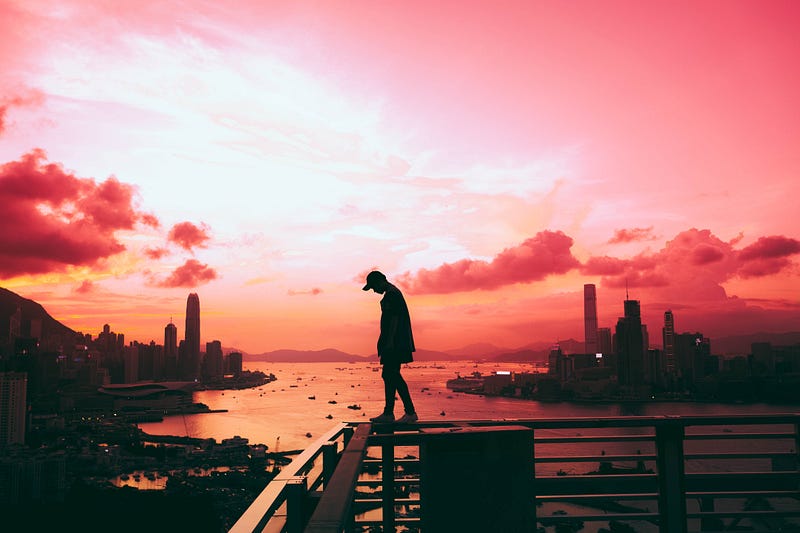
“Don’t think of introversion as something that needs to be cured…Spend your free time the way you like, not the way you think you’re supposed to.” — Susan Cain, Quiet: The Power of Introverts in a World That Can’t Stop Talking
Introverts tend to have more brain activity than extroverts due to the extensive internal processing that we’re always actively participating in.
This is not to say that introverts are inherently more intelligent, but research shows that our brains really do function and process things differently.
This may explain why large social gatherings can be so overwhelming. There is too much stimulus going on for our brains to be able to analyze and respond to all of it, so we often get quiet.
Lack of expression is typically perceived negatively.
I have consistently been misjudged for being quiet, which is usually because I’m second guessing myself too much to express anything.
Being alone or with people that I trust is more comfortable, but I also appreciate the growth that comes with expanding one’s comfort zone.
I have been fortunate enough to have jobs that allowed me to meet people from all over the world. I wouldn’t trade that experience for anything as I am fascinated by people, which almost seems contradictory to my antisocial tendencies.
I genuinely enjoy learning about different perspectives and cultures; conversing with strangers has actually proven to be very enjoyable in my experience.
The opportunity to learn from other people has only presented itself when I allowed myself to be open to it. This can be challenging for introverts, but maintaining a balance between social life and the inner world is so important.
“Intuitive types very often do not perceive by their eyes or by their ears; they perceive by intuition.” — Carl Jung
Introverted people also tend to be more sensitive and empathetic. We communicate differently because we interpret more than verbal communication, and we’re usually aware of people’s intentions.
As someone who admittedly overthinks everything, I tend to internalize and suppress feelings rather than expressing myself. I feel things very deeply but I wait until I’m alone to work through them.
I would argue that introverts feel things even more deeply because of the level of contemplation involved with everything we experience.
Are you spending enough time with yourself?
Living alone is one of the best decisions I ever made. After a long day of social interaction, my dog and cat are the only company I want.
To put it simply, I love being alone because there is no one else around.
I can allow my daydreams to become fully formed ideas when they’re uninterrupted.
When I’m not overthinking about the way I’m being perceived, it allows for deeper thought processes.
I have struggled with self worth for most of my life. Establishing independence and learning to be kind to myself were things that I had to figure out alone, and I take pride in that.
Investing time in getting to know myself has allowed for more introspection than I knew was possible. Self discovery is a very personal journey and I have learned to embrace the solitary nature of it.
If you can relate, please share your thoughts about introversion ~ I would love to start a conversation.
Thank you for reading!
You know what buttons to push if you enjoyed it ;)
Also, follow @gopublish for a variety of stories from myself and fellow creatives ❤


