
The Psychology of Aerophobia: Understanding Fear of Flying
Aerophobia, or the fear of flying, is a complex psychological condition that affects millions of people worldwide.
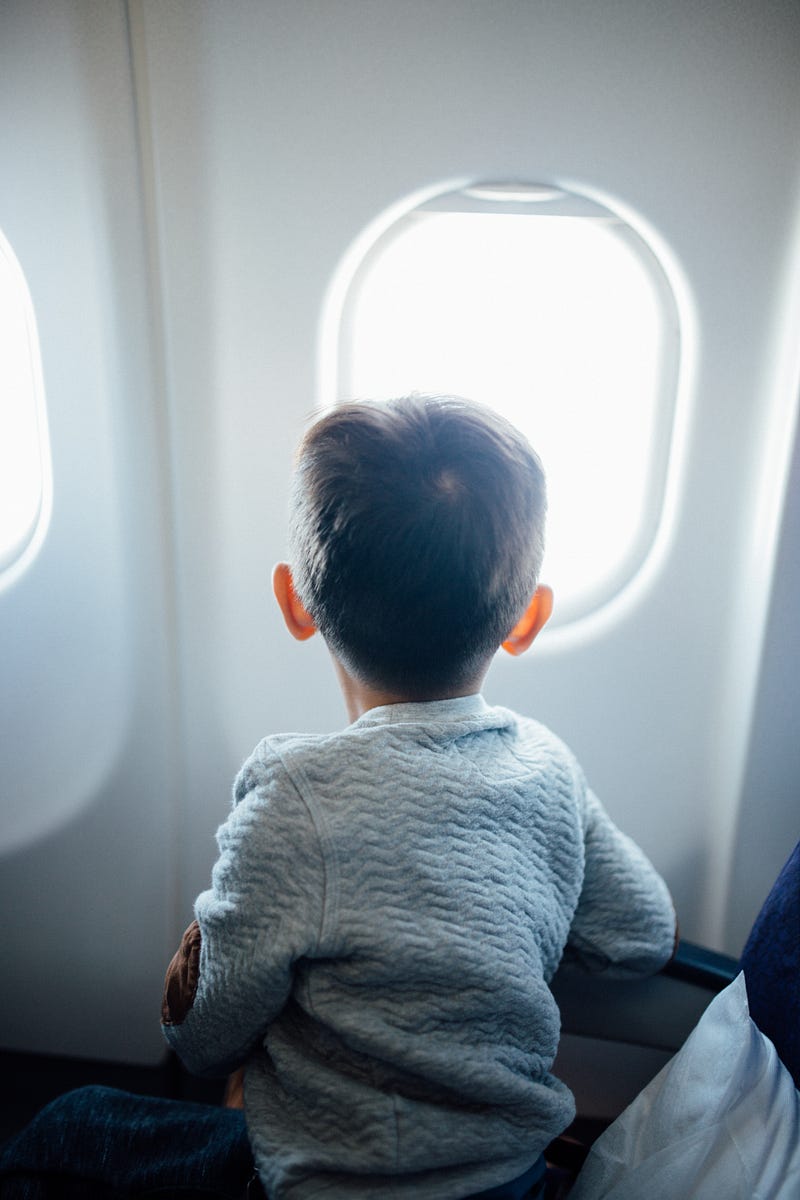
I was always afraid of dying. Always. It was my fear that made me learn everything I could about my airplane and my emergency equipment, and kept me flying respectful of my machine and always alert in the cockpit. — Chuck Yeager
Definition and Prevalence
Aerophobia, commonly referred to as the fear of flying, is an anxiety disorder characterized by an intense, persistent and irrational fear of traveling by airplane or other airborne vehicle, classified in the DSM-5-TR as a specific phobia, situational type (APA, 2022). This phobia can range from mild anxiety to a severe condition that completely prevents a person from flying and represents a significant issue in the context of modern travel. According to research:
- Between 33% and 40% of all people experience some form of anxiety when it comes to flying
- 60% of sufferers experience generalized anxiety during the flight (and leading up to it) that they can easily manage on their own
- Between 2.5% and 5% of the population have crippling anxiety, a genuine fear of flying that is classified as a clinical phobia (Oakes & Bor, 2010; Thomas, 2022)
Psychological Theories Behind Aerophobia
Classical Conditioning
Classical conditioning plays a crucial role in the development of aerophobia. This theory, first proposed by Pavlov (1927), suggests that a fear response can be conditioned through association. For individuals with aerophobia, this could involve associating flying with negative experiences such as past trauma, turbulence, or exposure to media reports of aviation disasters (Brown, 2019).
Cognitive Theory
Cognitive theory, particularly the work of Beck (1967), emphasizes the impact of negative thoughts and beliefs on emotional responses. People with aerophobia often exhibit catastrophic thinking, where they overestimate the danger of flying and underestimate their ability to cope (Beck & Emery, 1985). This cognitive distortion leads to increased anxiety and avoidance behavior.
Social Learning Theory
Bandura’s social learning theory (1977) also contributes to our understanding of aerophobia. This theory posits that behaviors can be learned through observation and imitation. Thus, witnessing others’ fearful responses to flying, either in person or through media, can reinforce and perpetuate the fear (Bandura, 1977).
Manifestations of Aerophobia
Aerophobia manifests in various ways, ranging from anticipatory anxiety weeks before a flight to panic attacks during a flight. Common symptoms include increased heart rate, sweating, shortness of breath, and feelings of dread (Oakes & Bor, 2010). These physiological responses are often accompanied by avoidance behaviors, where individuals may go to great lengths to avoid flying or endure it with intense fear.
Treatment Approaches
Cognitive-Behavioral Therapy (CBT)
CBT is a widely used approach for treating aerophobia. This therapy focuses on identifying and challenging irrational beliefs about flying and developing coping strategies to manage anxiety (Beck, Emery & Greenberg, 2005). Exposure therapy, a component of CBT, involves gradual exposure to the feared stimulus (in this case, flying) to desensitize the individual to their fear (Andrews, 2003).
Pharmacotherapy
In some cases, medication can be used to manage symptoms of aerophobia. Anti-anxiety medications, such as benzodiazepines, are commonly prescribed for short-term relief. However, they are not a long-term solution and can be addictive (Garakani et al., 2021; Koen & Stein, 2011).
Virtual Reality Exposure Therapy (VRET)
VRET is an emerging treatment for aerophobia, where individuals are exposed to a simulated flying experience in a controlled environment. Research has found that VRET can effectively reduce symptoms of aerophobia by providing a realistic yet safe environment for exposure therapy (Carl et al., 2019; Ribé-Vines et al., 2023)

Aerophobia is a multifaceted psychological disorder that can significantly impact an individual’s life. Understanding its psychological underpinnings is crucial for effective treatment. Combining cognitive-behavioral strategies with exposure-based therapies offers the most promise in helping individuals overcome their fear of flying.
References
American Psychiatric Association. (2022). Diagnostic and statistical manual of mental disorders (5th ed., text rev.). https://doi.org/10.1176/appi.books.9780890425787
Andrews, G. (2003). The treatment of anxiety disorders: Clinician guides and patient manuals. Cambridge University Press.
Beck, A. T., Emery, G., & Greenberg, R. L. (2005). Anxiety disorders and phobias: A cognitive perspective. Basic Books/Hachette Book Group.
Beck, A. T. (1967). Depression: Clinical, experimental and theoretical aspects. Harper & Row.
Bandura, A. (1977). Social learning theory. Prentice-Hall.
Carl, E., Stein, A. T., Levihn-Coon, A., Pogue, J. R., Rothbaum, B., Emmelkamp, P., Asmundson, G. J. G., Carlbring, P., & Powers, M. B. (2019). Virtual reality exposure therapy for anxiety and related disorders: A meta-analysis of randomized controlled trials. Journal of Anxiety Disorders, 61, 27–36.
Garakani, A., Murrough, J. W., Freire, R. C., Thom, R. P., Larkin, K., Buono, F. D., & Iosifescu, D. V. (2021). Pharmacotherapy of anxiety disorders: current and emerging treatment options. Focus, 19(2), 222–242.
Koen, N., & Stein, D. J. (2011). Pharmacotherapy of anxiety disorders: a critical review. Dialogues in Clinical Neuroscience, 13(4), 423–437.
Oakes, M., & Bor, R. (2010). The psychology of fear of flying (part I): A critical evaluation of current perspectives on the nature, prevalence and etiology of fear of flying. Travel Medicine and Infectious Disease, 8(6), 327–338.
Pavlov, I. P. (1927). Conditioned reflexes: An investigation of the physiological activity of the cerebral cortex. Oxford University Press.
Ribé-Vines, J. M., Gutiérrez-Maldonado, J., Zabolipour, Z., & Ferrer-Garcia, M. (2023). Efficacy of virtual reality-based exposure therapy for the treatment of fear of flying: a systematic review. the Cognitive Behaviour Therapist, 16, e19.
Thomas, J. (2022, January 4). Fear of Flying Statistics, Trends & Facts (2022 Data). Stratos Jet Charters, Inc. https://www.stratosjets.com/blog/fear-of-flying-statistics-trends-facts/