Ghouls and Alien Abduction? You Just Might Have Sleep Paralysis!
The terrifying real-life experiences of sleep paralysis and the science behind them
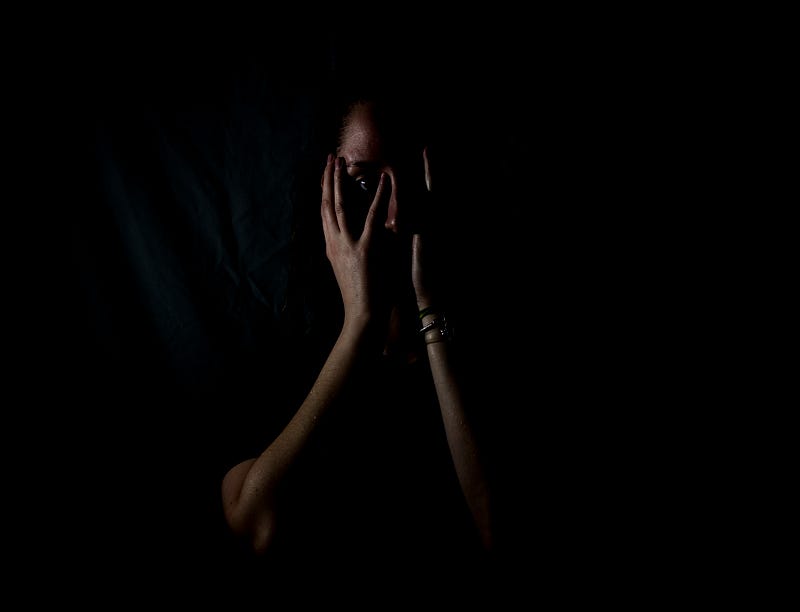
It’s the middle of the night, it feels like 2 or 3am. The wind howls outside, violently shaking my window. As always, my eyes are wide open, I am paralyzed and I wait. Yet every time the Shadow Man visits, I am terrified again. I still try to scream and try to will the muscles in my legs to work again so I can run. The figure looms over my bed for what seems to be an eternity, it’s shadowy hands extending towards my chest. All I can do is wait, wait for it all to be over. I feel it pressing down on my chest. I feel like I’m suffocating but in the back of my mind, I know none of this can be real.
No, this is not an excerpt from a horror novel or a creative writing exercise. Many people around the world report these otherworldly, creepy manifestations and visitations. This phenomenon is present in almost every culture, inspiring much of our horror mythos. Despite differences across cultures, there are common trends across many of these visitations: difficulty breathing, feeling suffocated, and being paralyzed in bed. These waking nightmares are symptomatic of sleep paralysis. Our brain shuts off parts of our body while we’re asleep and dreaming. However, occasionally something will go awry. It’s common for this to happen to us once or twice throughout the course of our lifetime. However, for an unfortunate few, sleep paralysis becomes an almost nightly occurrence.
There are many documentaries featuring accounts of sleep paralysis. I’ve linked the trailer for The Nightmare (2015) that features the common manifestation of the Shadow Man.
This phenomenon is present in almost every culture, inspiring much of our horror mythos. Despite differences across cultures, there are common trends across many of these visitations: difficulty breathing, feeling suffocated and being paralyzed in bed.
How Does Sleep Paralysis Occur?
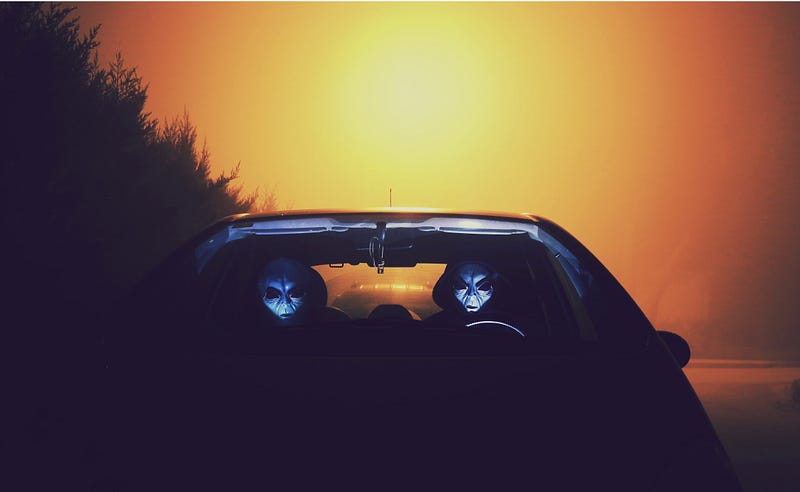
It is estimated that sleep paralysis happens at least once for up to 2 in 5 people! For most individuals, this only happens once or twice during their life. Rather than being in an unconscious sleeping state during the REM-phase, they are conscious while dreaming. They are paralyzed and often experience what they describe as intruders in their bedroom, alien abductions and a variety of other horrifying nightmares.
There are several stages of sleep that our brain cycles through while we rest. One of these cycles is called the rapid-eye-movement (REM) stage of sleep. It’s in this phase that we dream every night. It first occurs 90 minutes after we fall asleep, lasting about 10 minutes. The brain first cycles through four stages of non-REM sleep.
Once we enter REM-sleep, our eyes move quickly in many different directions while the rest of our body is kept still. The brain sends signals to the rest of the body preventing any thrashing or movement so that we don’t injure ourselves by acting out our dreams. This stage is also characterized by higher levels of brain activity, resulting in vivid dreams. Throughout the night, we cycle through non-REM and REM sleep, which each subsequent REM cycle lasting longer and longer. Typically, the last REM phase of the night can last an hour.
Neuroscientists Dr. Patricia Brooks and Dr. John H. Peever discovered that two neurotransmitters are responsible for making sure we don’t move in REM sleep. These two neurotransmitters are called gamma-amino-butyric acid (GABA) and glycine.
Each of these neurotransmitters is like a key, that is able to turn and activate specific locks within the brain. These regions are located in the brainstem, called the pons and the medulla. These locks are receptors that tell regions of the brain to slow their firing. Since the parts of the brain with these lock-receptors are involved in muscle control, it ensures our limbs remain still.
There are other important brain regions involved during REM sleep.
- Suprachiasmatic Nucleus of the Hypothalamus: This region of the brain contains light-sensitive cells. They act as pacemakers during our sleep. This includes coordinating other areas of our brain and ensuring that other tissues within the body adapt accordingly.
- Amygdala: This part of the brain adds an emotional component to our brain.
- Thalamus: This part of the brain relays information from our senses during wakefulness. While we’re in non-REM stages of sleep, this part of the brain is shut off, tuning out environmental stimuli. However, once we enter the REM stage, this area begins firing to coordinate the sound, visuals, and other senses within our dreams. The occipital lobe in our cerebral cortex for example, responsible for our visual perception, generates vivid visuals in our dreams.
This stage of sleep is fascinating. Parts of our brain are awake enough to dream, but other parts are suppressed just enough to keep us from waking.
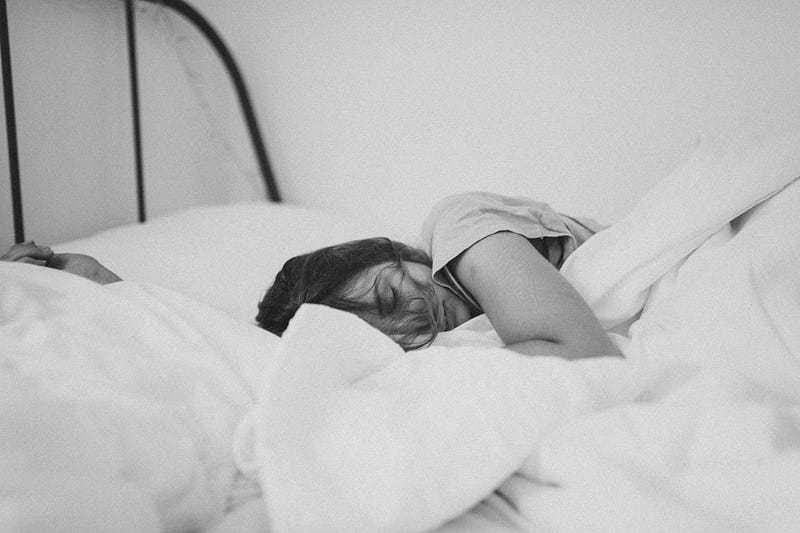
It is estimated that sleep paralysis happens at least once for up to 2 in 5 people! For most individuals, this only happens once or twice during their life. Rather than being in an unconscious sleeping state during the REM-phase, they are conscious while dreaming. They are paralyzed and often experience what they describe as intruders in their bedroom, alien abductions and a variety of other horrifying nightmares.
Nobody knows what causes sleep paralysis, though it’s linked to several other disorders: including generalized anxiety disorder, post-traumatic stress disorder, panic disorders and other sleep disturbances. Some individuals afflicted by sleep paralysis even report learning to enjoy the experiences, like an immersive horror show.
Goblins, Ghosts, Grey-Aliens, and Goons
While the neurobiology of sleep is of utmost importance to learn more about sleep paralysis, our culture also plays an important role. The brain incorporates previous information to make the most sense of it. When it comes to sleep paralysis, the current cultural zeitgeist greatly influences which intruders visit us in the middle of the night. Across different times and different countries, people experience this very same phenomenon differently.
Hundreds of years ago, Americans and Canadians believed that beings were draining their life energy at night, attributing sleep paralysis to vampires or witches. In recent decades, this was replaced by alien abductions and shadow people. In Thailand, people report being enveloped by a ghost, calling the experience phǐǐ am. In Iran, there is a similar experience called Kabus described as a heavy presence sitting on the chest, suffocating you.
Sleep paralysis is even described in Herman Melville’s 1851 novel, Moby Dick:
My arm hung over the counterpane, and the nameless, unimaginable silent form or phantom, to which the hand belonged, seemed closely seated by my bedside. For what seemed ages piled on ages, I lay there, frozen with the most awful fears, not daring to drag away my hand; yet ever thinking that if I could but stir it one single inch, the horrid spell would be broken.
Broad cultural differences and distances separate us from people in other countries. Despite these large fundamental differences, we still experience the same phenomena when we sleep. Even though cultural manifestations differ, there are so many uncanny similarities.
Human psychology is fundamentally similar, no matter what time or place you’ve been born into. Our brain confabulates extravagant explanations, based on previous cultural information to understand ourselves the world around us. This truly weird phenomenon is humbling — it can happen to anyone, anywhere no matter how rich or smart you are. It reinforces the necessity of understanding other cultural experiences in order to better understand the biology of sleep paralysis.