
The Promise of the Ketogenic Diet in Treating Brain Disorders
The science behind the ketogenic diet as an effective treatment for many seemingly untreatable disorders.

While the ketogenic diet has historically been used in the treatment of epilepsy, it has now found success in the treatment of other neurological disorders. This diet leads to a switch in the body and brain’s metabolism from using glucose for fuel to using fat, and this has many subsequent neurological benefits. Recent literature on the use of the ketogenic diet in epilepsy, Alzheimer’s disease, brain tumours, and traumatic brain injury was reviewed and shows success in minimizing the impact of these disorders and potentially treating them. The ketogenic diet often has fewer and less harsh side effects than medications used in the treatment of these disorders, as well as providing reprieve in disorders that are not responding to medication or other treatments, thus making it an appealing treatment option.
The ketogenic diet has been used as early as the 1920s in the treatment of neurological disorders, with most of the research and success in the treatment of epilepsy. However, this diet is showing promise in many other neurological disorders, such as brain tumours, headaches, autism, Parkinson’s disease, Alzheimer’s disease, stroke, and brain injuries. This essay will focus on the use of the ketogenic diet in epilepsy, Alzheimer’s disease, brain tumours, and traumatic brain injury. As well, ethical and feasibility issues will be addressed.
The ketogenic diet
The ketogenic diet is a high fat, moderate protein, and low carbohydrate diet, which switches the body’s metabolism from using glucose to fat for energy. This simulates the body being in a fasted state, resulting in the same physiological response and a production of ketones as a by-product of fat metabolism as you would experience if you were fasting. These ketones cross the blood-brain barrier and go into the brain to be utilized as a source of energy.
The ketogenic diet can be favourable over the use of medication, due to having fewer and less harsh side effects than do most medications for neurological disorders, and these side effects subside early on. While mild compared to the side effects experienced with medication use, the side effects of the ketogenic diet may include: inability to gain weight, decreased growth, constipation, and kidney stones, however, all can be managed without cessation of the diet.
History
The use of fasting for the treatment of neurological disorders can be traced back to biblical times, with Jesus prescribing “prayer and fasting” to heal a young boy experiencing seizures (Mark 9:14–29 King James Version). Hippocrates was also known to have used fasting to heal people presenting with seizures in 400BC. However, the recent interest in the use of fasting for neurological disorders came in 1921, when Doctor Rawle Geyelin published in Medical Record that fasting had been used as a successful treatment for epilepsy. That same year, Russell Wilder published in The Mayo Clinic Bulletin that a diet high in fat and low in carbohydrate could mimic the state of being fasted, and therefore obtain all the same benefits and metabolic state. He found success in treating epilepsy with this diet, and thus the use of the ketogenic diet was begun.
Treatment of epilepsy
Epilepsy results from an excess of electrical activity in the brain, and antiepileptic drugs target and suppress this activity. However, while about 1 percent of the population has epilepsy, approximately one third of these do not respond to medication or other treatments, such as surgery. Epilepsy can have cognitive as well as psychological and social implications, thus highlighting a need for another treatment option. The ketogenic diet changes the fuel source in the brain from glucose to ketones, which alters the brain’s electrical activity. This appears to affect synapses and ion channels in order to reduce electrical activity, thus reducing seizures.
One study looked at the effect of the ketogenic diet on patients aged 18 years or younger, with an acquired structural developmental and epileptic encephalopathy. The authors found that all nine patients involved in the study experienced improvements, with three patients seizure free and two with 94 percent reduction in seizures at 6 months after diet initiation. The families of the patients also noted that quality of life improved, especially developmentally and behaviourally.
Another study investigated the effect of a ketogenic diet on a 10-year-old girl with glucose transporter type 1 deficiency syndrome (Glut-1 DS), a condition with a high frequency of epileptic seizures and developmental delays. The authors found that within a week, she was experiencing less confusion and only occasional seizures. After 3 months on the diet, her information processing speed as well as executive functioning had improved considerably. Similarly, another study found that after at least 6 months on the ketogenic diet, all six Glut-1 DS patients in their study experienced significant improvements in many aspects of neuropsychological functioning. Interestingly, the biggest improvements were made with the youngest patients, and thus the authors suggest that an early diagnosis and initiation of the diet is important for the greatest results.
A further study investigated the effect of a ketogenic diet on a 5-year-old girl with Landau-Kleffner syndrome, a condition characterized by aphasia and verbal agnosia, as well as seizures, the condition appearing suddenly after having developed normally thus far. While she did not respond to most antiepileptic drugs, the seizures were able to be controlled with the initiation of a ketogenic diet. The girl also regained her normal cognitive functioning.
Yet another study looked at 65 children under the age of 15, with recurrent seizures that were not responding to treatment. The children were started on the ketogenic diet and reassessed 1 year later. Seizure frequency reduced from a mean of 25 per day to less than 2 per day. Using the Developmental Profile — second edition (DP-II) and the Child Behaviour Checklist (CBCL) the authors measured change in developmental functioning, behaviour, and emotional functioning. They found that there was statistically significant improvement in developmental functioning, notably motor skills, as well as in attention and social skills.
As the ketogenic diet is challenging and requires full commitment, there have also been investigations into the feasibility of developing a drug that induces the same physiological mechanisms as the ketogenic diet, in the hopes of having an easier to administer treatment option for drug resistant epilepsy.
From this literature, it can be seen that the ketogenic diet is finding a great deal of success in treating, or at least, reducing the symptoms of epilepsy. It appears to be effective and efficient with various types of epilepsy, providing reprieve in even the most drug resistant cases, by reducing the electrical activity in the brain through the utilization of the metabolism.
Treatment of Alzheimer’s disease
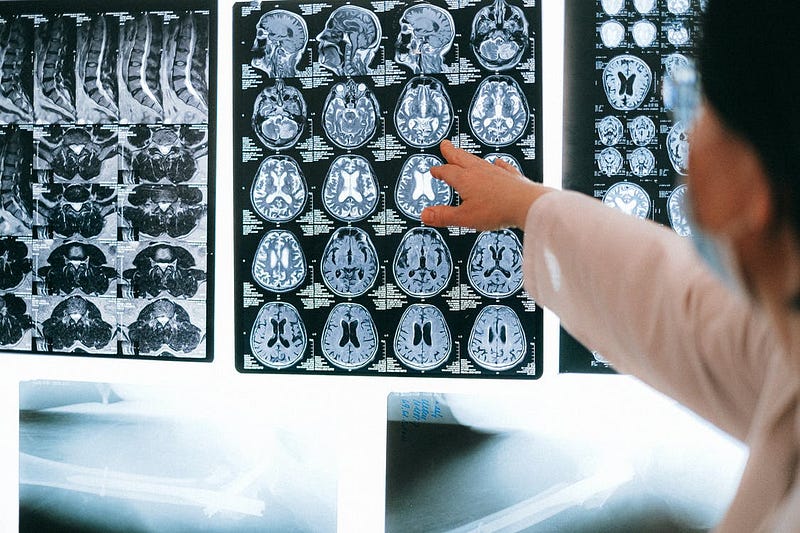
Studies have indicated that Alzheimer’s patients experience hypometabolism, a reduction in the brain’s ability to utilize glucose, especially in the hippocampal region, as well as experiencing mitochondrial deficits. It is suggested, then, that a ketogenic diet will enable these deficits to be circumvented by providing a different source of fuel for the neurons in the brain. A reduction in glucose utilization is said to be one of the first events in the development of Alzheimer’s disease, and so this may be a promising target of treatment and/or prevention of the disease. Also, it is suggested that the utilization of diet to improve outcomes for people with neurodegenerative diseases may be appealing, as it allows some control over a situation where they often otherwise feel as though they have no control.
One study investigating the effect of a ketogenic diet on the motor and cognitive performance of mice with amyloid deposits and subsequent learning and memory deficits found that this diet significantly improved motor performance compared to the control diet mice, although it had no significant impact on cognition. The authors note that this improved motor performance could be a result of motor learning, or of the improved muscle efficiency caused by a ketogenic diet.
Another study looked at the effect of beta-hydroxybutyrate (a ketone body) on cognition in 20 adults with Alzheimer’s disease or mild cognitive impairment. The subjects drank either medium chain triglycerides (MCTs), a good source of this ketone body, or a placebo drink, and were subsequently tested 90 minutes later (after obtaining baseline results at an earlier study visit). The subjects had a mean Mini-Mental State Examination (MMSE) of 22. The neuropsychological measures used were: Alzheimer’s disease Assessment Scale-Cognitive Subscale (ADAS-cog), the MMSE, and the Stroop Colour Word Interference Task. Patients without the apolipoprotein E (APOE) allele showed improved performance on the ADAS-cog, and all MCT treated subjects showed improvement with the Stroop test. Beta-hydroxybutyrate also appears to have neuroprotective properties within the hippocampus against beta-amyloid toxicity, the amino acid shown to be involved in the development of Alzheimer’s.
Similarly, a study investigated the supplementation of AC-1202, a form of MCT, on the cognition of 152 subjects diagnosed with mild to moderate Alzheimer’s disease. These authors also used the ADAS-cog as a neuropsychological measure and found that by day 45, there was a significant improvement in ADAS-cog scores in the treatment group subjects without the APOE allele, compared with the placebo group.
The ketogenic diet is obtaining success in reducing symptoms of Alzheimer’s disease by bypassing the glucose hypometabolism present in these patients’ brains, through the supply of ketones for fuel and their resultant neuroprotective properties. Patients are experiencing improvements in cognition, and while there is currently not a large body of research in this area, it looks promising for future developments.
Treatment of brain tumours
The average life expectancy when diagnosed with a glioblastoma, a malignant brain tumour, is 18 months, which highlights the need for the development of more effective treatments. Recent research has indicated that tumours can be reduced by decreasing the availability of glucose in the patient’s diet, by means of a ketogenic diet. Cancer has been called “a disease of abnormal energy metabolism” by scientists. Tumour cells require a substantial amount of glucose and most are inflexible in shifting their metabolism to the use of ketones. However, the cells in the rest of the body can readily switch to the use of blood ketones for energy. A sugar “withdrawal” may even occur at the outset of diet initiation, leading to further cell death in the tumour.
Similar to neurodegenerative diseases, brain tumours are said to have mitochondrial deficits, however, these subsequently prevent the tumour from being able to utilize ketones for fuel. This suggests that the tumour cells will be unable to generate enough energy to survive when the patient is on a ketogenic diet, thus leading to tumour cell death.
A study was conducted investigating the effect of a ketogenic diet on mice with an implanted malignant glioma. The authors found a significant difference in the survival rates of the mice on the ketogenic diet compared with the standard diet (28 days vs 23 days). When the ketogenic diet was paired with radiation, 81 percent of the mice in this group were cured of their tumour and the tumours did not recur when the mice were put back on a standard rodent diet. Similarly, another study found that a ketogenic diet paired with a chemotherapy treatment produced an anti-tumour effect in mice with a neuroblastoma, reducing tumour growth and density. This suggests that a ketogenic diet, when part of a multimodal treatment plan, is more effective than radiation or chemotherapy alone.
The use of the metabolism to manage brain tumours may be favoured over the use of chemotherapy and radiation, as these forms of treatment cause a magnitude of oxidative damage in the body, as well as the death of healthy cells, reducing the quality of life of the patient. Often, they are merely short term treatments, managing the growth over a period of months or years before the tumour ultimately comes back. Interestingly, these treatment methods also provide a great amount of glucose to these glucose-hungry tumour cells, which may actually promote their growth.
The recent literature demonstrates the potential of the ketogenic diet as a treatment option for brain tumours, especially as an adjuvant to other treatments such as chemotherapy and radiation. There is a large degree of heterogeneity in brain tumours, and thus it is difficult to develop treatments to target specific tumour cells. The use of a metabolic treatment, however, targets a trait shared by essentially all tumours and thus may be a much more efficient and a promising long term treatment option.
Treatment of traumatic brain injury
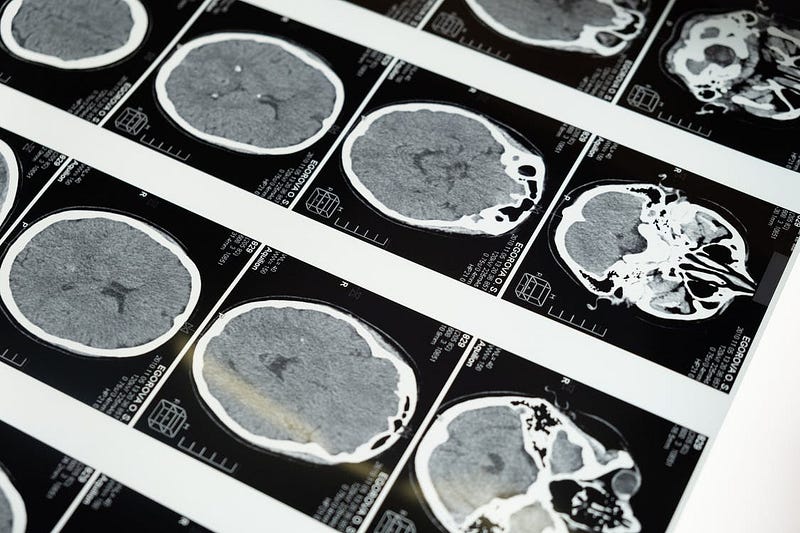
Traumatic brain injury (TBI) is a leading cause of death and disability worldwide, causing not only a huge economic burden but often also a drastic reduction in quality of life for the injured person. During the acquisition of a TBI, the brain will move rapidly within the skull, which starts a cascade of neurochemical disruptions. The brain will undergo an energy crisis as a result of a change and reduction in cerebral glucose metabolism. This is where glucose utilization becomes less favourable due to its obstruction and diversion in the glycolytic pathway, and results in decreased glucose oxidation and ATP levels, resulting in a significant reduction in glucose metabolism. This reduction in glucose metabolism is proportional to the severity of the injury, as measured by the Glasgow Coma Scale. A dysfunction of the mitochondria is another event in the cascade, and this along with the decreased glucose metabolism can cause secondary injury. Secondary injury is the cause of the majority of damage in TBI, thus making these events a promising target in treatment for the ketogenic diet.
The mitochondria in the brain are able to use the ketone bodies produced by this diet as an alternative fuel source to produce ATP. Ketones are also a more efficient source of fuel in the brain than glucose and may be more suitable under certain neuropathological conditions, as well as having anti-inflammatory properties. This can improve the metabolism and subsequently the energy production in the brain, allowing the neurons to survive times of metabolic stress. This shows promise in the prevention of sustaining subsequent concussions, as there appears to be a cumulative effect of decreased energy metabolism which makes receiving a further concussion much easier.
One study was conducted with 36 juvenile rats, assigned to either a placebo surgery or a surgery-induced controlled cortical impact injury, and then either to a standard rodent diet or a ketogenic diet. It was found that TBI-induced oxidative stress and damage was reduced in the ketogenic diet group, and that the TBI-induced mitochondrial dysfunction was inhibited by the ketogenic diet. The authors concluded that early on after injury, it is the antioxidant effects of the ketogenic diet that are providing the success, with the oxidative stress and mitochondrial dysfunction, but in the later stages the alternative substrate of ketones over glucose is what leads to improved outcomes.
One study investigated the effect of the ketogenetic diet on cognitive and motor deficits following TBI in rats. Beam walking and the Morris water maze were used to assess these deficits, with one group on a standard rodent diet and the other on the ketogenic diet. It was found that the ketogenic group demonstrated better performance as well as quicker times on the beam walking, and shorter escape times in the maze. These results suggest that the ketogenic diet may improve cognitive and motor outcomes in TBI.
At this stage there are very few studies which address the impact of the ketogenic diet on cognitive and behavioural outcomes in TBI. However, there are an increasing number of studies showing the diet’s efficacy in reducing secondary injury and other physical and physiological symptoms, thus showing promise for future developments in reducing cognitive and behavioural impairments resulting from TBI.
Feasibility and considerations
The ketogenic diet as a method of treatment has been shown to be safe for humans. However, on initiation of the diet, some patients may experience gastro-intestinal side effects. Other symptoms include brain fog, irritability, headache, and fatigue, but these usually subside within the first week.
The majority of research on the impact of the ketogenic diet on neurological disorders has been conducted in lab settings primarily on rodents, while few human studies have been undertaken. Where a human study does exist, it is often a single case study, or the study numbers are very small and do not use a randomized design. The studies also rarely include a control group, as this is difficult to find due to the uncommon nature of the treatment group. Also, while having similar mechanisms, it is suggested that some of the effects come from the calorie restriction which sometimes accompanies a ketogenic diet: Calorie restriction and fasting also increase ketone levels, and thus some results may reflect this rather than the actual diet.
While all methods thus far have shown success with neurological disorders, there is a large degree of variability in the implementation of the ketogenic diet, making a standardized protocol for administration very difficult. However, the International Ketogenic Diet Study Group has outlined some suggestions in implementing this diet: Before initiation of the diet, metabolic disorders as well as any complicating factors such as kidney stones, physical developmental delays, liver disease, and gastro-intestinal issues should be assessed and ruled out. The patient and family should be well educated on how to adhere to and properly carry out the diet, as well as of the psychosocial implications of the diet. The group suggest a minimal period of 3 months, and advise frequent (initially every 3 months) follow ups with the dietician and neurologist. They also highlight the need for the patient to be informed of the realistic expectations for what will be achieved with this diet.
There is conflicting evidence on the effect of the ketogenic diet on the growth of children, yet it appears that there is not enough evidence to conclude either way. However, there is a risk of decreased bone density and resultant reduced growth rates in children due to vitamin D deficiencies that often come with the ketogenic diet if there is not adequate supplementation, as well as possible weight loss.
There exist some considerations when working with complementary and alternative medicines: There may be some issues with obtaining insurance coverage for the use of alternative therapies, and it can be more difficult for doctors and clinicians to obtain licensing to implement this type of treatment as well as a possibility of medico-legal implications, i.e. medical malpractice or negligence. Also, as of yet there is not a large evidence base of the efficacy of this treatment, especially with human studies, and a lack of specific guidelines on the implementation of the diet, as mentioned previously. There is consequently a need for the professional implementing the diet to consider the safety and efficacy of the treatment through being aware of the literature, educating the family, and using professional judgement to decide the way forward.
Conclusion
The success of the ketogenic diet in treating neurological disorders appears to lie in the fact that oxidative stress, inflammation, mitochondrial deficiencies and a subsequently affected metabolism underlie many neurological disorders, and the ketogenic diet is able to target these. This diet has shown success in epilepsy, Alzheimer’s disease, brain tumours and traumatic brain injury, among other conditions, and while research is still in its infancy in these areas it is showing a great deal of promise. It appears to be an efficient and safe treatment, without harsh side effects, and thus a hopeful option for those living with these disorders.
If you want to try implementing some new habits into your life, sign up for my free newsletter. Each week you’ll receive one new habit to try, with an explanation of why it’s important and how to implement it. The habits focus on improving all aspects of health and wellbeing, from physical fitness and nutrition to happiness and finding meaning.