
The Problem with Mainstream News
Why I don’t intake the recommended dose of information
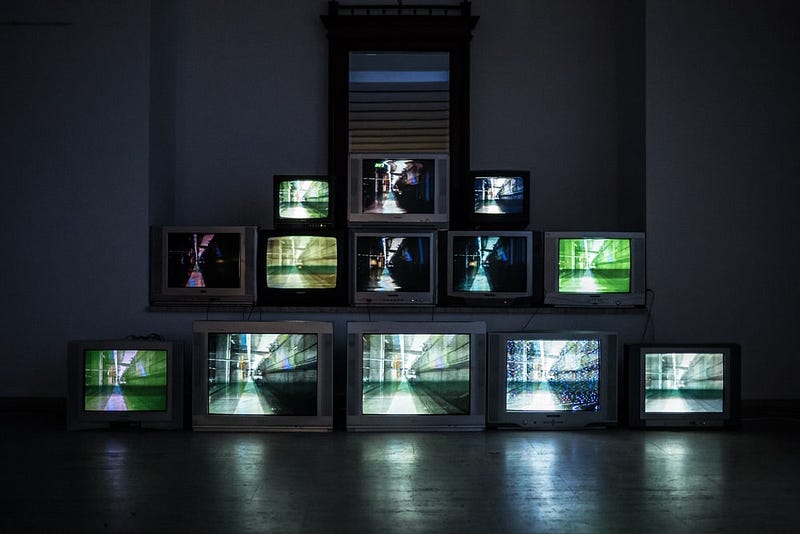
Before I jump into this article, I would like to clarify that I am not suggesting that the whole world stop watching the recent news as distributed by the mass media, neither am I stating that mainstream news only comes with its setbacks. I am simply mentioning a few of my reasons for which I have come to regard several news networks as distributors of selected bits of irrational fear.
You could blame mass digitization for the constant stream of news that come our way, especially during a global pandemic which numerous segments ought to devote their time to. If the technology we had today existed during the Second World War, a person would never go to sleep at night without knowing the total number of casualties taking place every day.
Any event that has resulted into a tragic amount of lives lost throughout history would leave the populations living during that time feeling horrified, hectic, and helpless. Much like the sentiments that embody us today. But it goes beyond that. In an age where we are bombarded with incoming shots of information, we reach a point where we begin to exchange any critical thinking skills we own for a quick nod to the details being showcased before us.

Handpicked Information
You’ve probably heard this being said a thousand times before, but news has a tendency to be biased. A platform that publishes information will hope to assemble an audience that supports the product being released, and any specific audience tends to come with pre-conceived expectations.
A news broadcast on the Western hemisphere of the world will present information that may contradict the details being given out by a news network in the East. Where does truth come to play in a mixture of opinions and perceptions? Most importantly, where does your personal perspective come to play among the perspectives of others?

Fear on Repeat
As often as we may forget, news networks are businesses. As with every commercial business, their primary goal is to profit off their activities that are seasoned with occasional sponsors. Not that there is anything wrong with wanting to monetize your content, but when the content is manipulated to cause people to want to intake more of it, then there is a problem.
As any advertizing company knows, getting people to feel nervous, or fear they miss out on a particular product or service is enough to get them to interact with the business. The consumer, or in this case, audience, must feel something. Consumers and audiences, in this case, are interchangeable.
Getting people to fear is getting people to stay. It needs to be ensured that the screen before us isn’t switching off anytime soon.
It is no surprise that most of the news presented to us is negative, hardly ever leaving space for the positive happenings around the globe. If all we saw were the beautiful aspects of humanity, then we’d easily disregard the challenges that merely need a bit of unity to combat, which brings me to my next point.
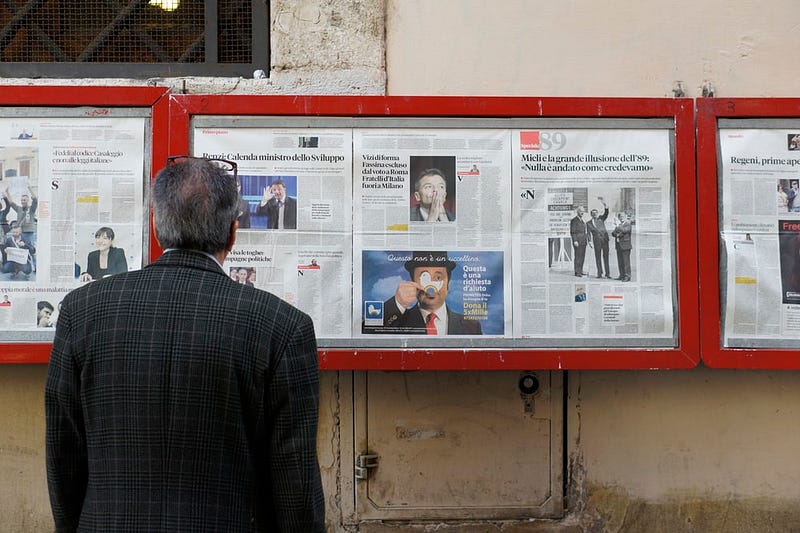
Lack of Focus on Improvement
It hits me as ironic that platforms with some of the biggest audiences throughout the world have the power to display virtues such as the world coming together as one in order to tackle any issue, yet spend an unjustified amount of time promoting and focusing on the divisions that have been placed between members of society, reiterating them instead of presenting any notion of questioning them.
Rather than condemn the act of war, we spend time watching individuals argue about which part ought to win. Rather than contemplate the nature of corruption, we listen to statements that try to excuse it. Rather than question the presence of world hunger and homelessness, we watch the latest take on the stock market.
With a higher amount of time and focus spent following events and trends that are showcased to us, we slowly lose grip of deciding what matters to us, as well as our unique perception of the world. The ideas we own are gradually replaced by a presentation of themes that have spun around the world for centuries. Themes that now have the misfortune of being taken advantage of by entering a cycle of information that runs 24/7.
At some point along the way, we realize that we may not even know what concerns us anymore, so we continue to partake in the stream of information guaranteed to let us know of everything we should know.
At some point, we need to ask ourselves the question: What do we really want to know more about?
Angelina Der Arakelian