
The Problem Is, You Think You’re Special
Navigating a Me Versus We World

My daughter’s favorite show is a Japanese anime series about an unassuming middle school boy with incredible psychic powers. This character, nicknamed Mob, has been raised to believe that even though his spoon-bending gifts are unique, they aren’t special. Being athletic, getting good grades, and being popular is more highly valued. Like most middle-schoolers, Mob wants to fit in.
Mob could be the world’s most potent psychic, but his goal is to lead a regular life. He doesn’t want to stand out. The idea is even stated in the opening song’s lyrics: “If everyone is not special, maybe you can be what you want to be.”
In Japan, like most Asian cultures, an individual’s identity is more defined by the “we” than the “I.” In Collectivist societies, it’s essential to take care of the group, so it makes sense that the cartoon character Mob hates attracting attention.
The concept of Collectivism was foreign to me until college, when I happened upon a Native American sweat lodge community called Descendants of the Earth.
A sweat lodge is a low-to-the-ground dome-shaped, circular structure, and I attended one with friends as an assignment for an Arts and Rituals class. Everyone sits in a circle. It’s dark inside, and the heat can be very intense. Within the bentwood blanket-topped frame, water gets poured onto heated rocks like a sauna, and the heat cleanses impurities from the body and inspires spiritual insight.
There is a convention of sharing intentions or community concerns in between rounds of singing and pouring water on the rocks. The lodge leader spearheads the sharing and asks about prayers or concerns. I never felt comfortable speaking up. It was clear that doing so was reserved for regular attendees and community members who had grave problems, such as a sick or dying family member or a lost job.
I was young and in good health at the time. I had a decent apartment and an okay job. My life wasn’t trouble-free, but I deferred to the community elders or those more in need.
The sweat lodge’s regular attendees were primarily Native American folks who all knew each other. The lodge leader, a Lakota man named Wolf Wapepah, was very gracious and enjoyed sharing his traditions with everyone, even when someone would show up without knowing what to wear (comfortable, loose-fitting clothes) or what to bring (bottles of water and wood). Now and again, folks like me would turn up — non-Native people curious about what a sweat lodge could offer.
Once in between rounds, before community elders had spoken, a first-time attendee piped up with her concerns. “I am having a lot of problems with feeling good about myself,” she said. “I’m not even sure who I am or what I want from life or if my boyfriend is good enough for me.”
She went on to describe a series of complaints that I might have expressed myself a few weeks prior, but to my new Collectivist ears, it sounded like, “me, me, me, me, me.” Clearly, she didn’t understand the lodge conventions or consider how her needs were superseded by the elder losing his home or the woman dying from cancer.
Once she’d exhausted all of her grumbles, Wolf let the silence fall. He always had a thoughtful response for everyone, but I couldn’t imagine what he would say to this young woman.
“Sister,” he finally said, “The problem is that you think you’re special. It can be very painful to feel too special.” There was no judgment in his voice, but the words were shocking. She was too caught up in her story to listen or feel grateful. The chasm between the way each saw the world was a mile wide.
The following week in the quiet before Wolf began leading us through a “thank you” song, the distinctive zizz of a bee could be heard. I felt a momentary fright in the darkness — not knowing where the bee would land, but I also knew it was against protocol to speak before the lodge leader. After a fair amount of buzzing, a newby piped up with a tentative, “Excuse me. I think maybe there’s a bee in here?” As the whir-whiz of the bee sounded ever closer, he blurted out a feeble, “Help!” Wolf took a long pause before responding. “Please, friend,” Wolf said, his words imploring though his tone was measured and even, “let’s not make the bee feel unwelcome.”
These were such watershed moments for me. The first-time visitors wanted their unique concerns met, but Wolf had a hive mentality — the health of the community and its happiness as a whole, which in his mind included the bee.
I grew up on the East Coast to an Irish Catholic father and a mother whose family traced their roots back to the Mayflower. I was spoon-fed on the American Dream and would like to believe that no one can stop me from pursuing my goals if I have the skill and ambition needed to achieve them.
Still, my idea of self-actualization is tempered by the wish that my success doesn’t come at a cost to others. Those Mayflower folks all needed each other to survive (45 out of 102 died the first winter) so in some ways our country was founded as much on community survival as on individualism.
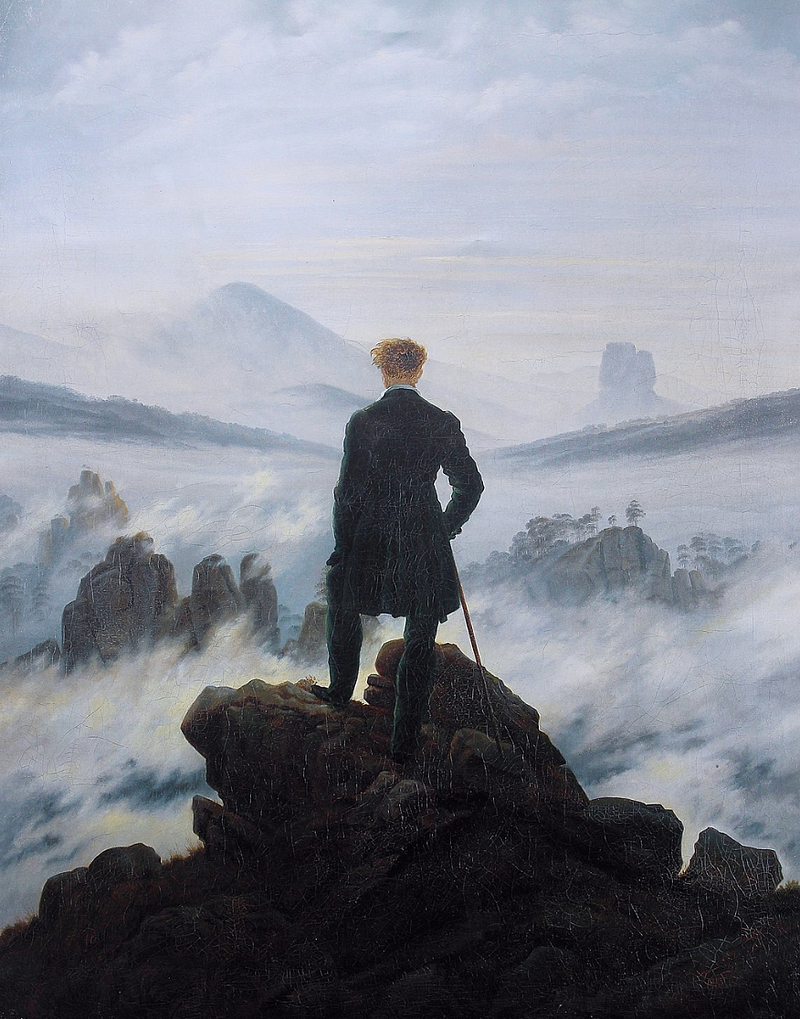
Social psychologist Sheena Iyengar studies the idea of Individualism versus Collectivism. In her book, The Art of Choosing, she talks about how people’s choices and beliefs can differ based on the kind of culture they were raised in. In Individualist cultures like America, we see ourselves as unique and special. In a Collectivist culture, decisions are made by what is best for the group.
I agree with Wolf’s assessment that feeling special can sometimes be painful. The individualistic messages that define American culture can be tricky: emphasizing individuals means that personhood affords us certain equalities and liberties, but standing out can also isolate us. Society tends to impugn individuals and sometimes whole groups for their “choices” (the elderly, the poor) rather than taking a look at the social systems that may have failed along the way.
I can’t make a value judgment about Individualism vs. Collectivism as a lifestyle or cultural choice, but I think I’m the most comfortable with a fusion. I’m thankful for the diversity of customs my daughter and I get to experience in our community and worldwide, and I’ll keep looking for ways to make the bees feel welcome.