avatarRob Brooks

Free AI web copilot to create summaries, insights and extended knowledge, download it at here

2158

Abstract

mer Kate Middleton is in capable hands at London’s King Edward VII Hospital, and I do hope she and the several million other women suffering from HG right now make as rapid a recovery as possible. As we are due to endure incessant Royal baby chatter and HG sympathy over the coming months, I thought I’d sneak in quickly with an important lesson that HG and pregnancy sickness illustrates about evolution.</p><p id="c567">One might expect something as awful but common as morning sickness to have a damned good adaptive explanation. In fact, while many explanations have been put forward, the obvious ethical difficulty in doing experimental tests makes it hard to separate the good ideas from the bad.</p><p id="98df">Morning sickness has long been explained as a way for mothers to avoid food poisoning that can devastate a growing fetus. If a woman is too nauseous to eat, and if the most dangerous foods revolt her, then she limits her chances of picking up dangerous bacteria like which cause food poisoning.</p><p id="6a58">But pregnancy sickness might also be a manifestation of a <a href="http://www.ncbi.nlm.nih.gov/pubmed/8115596">simmering gestational battle</a> between mother and fetus. Pregnancy takes a huge toll on a mother and uses up a large chunk of a mother’s reproductive lifespan. Given these costs, if a mother’s body detects signs that a fetus has little chance of thriving, her body will often spontaneously miscarry that fetus.</p><p id="f778">This rather ruthless piece of physiology happens well beneath a mother’s conscious awareness, often before the mother has any inkling she is pregnant. But it has evolved because it gives the mother a chance to get pregnant again soon with a fetus that has better prospects of thriving.</p><p id="ecd9">While a pregnant woman has an evolutionary interest in spontaneously aborting any fetus with poor prospects of growing into a healthy adult, the miscarried fetus loses everything. And so embryos and fetuses do all they can to avoid being miscarried.</p><p id="8471">Primate embryos long ago evolved the capacity to make <a href="http://en.wikipedia.org/wiki/Human_chorionic_gonadotropin

Options

#HCG_forms">Human Chorionic Gonadotrophin</a> (hCG), a hormone that mimics the hormone mammalian mothers use to control pregnancy. The placenta — which is more a part of the fetus than it is a part of the mother — secretes hCG into the mother’s blood as a signal that the fetus is thriving and healthy. The more hCG, the less likely the mother’s body is to spontaneously abort the pregnancy.</p><p id="080f">So hCG can be thought of as a tool embryos and fetuses have evolved to <a href="http://scholar.google.com.au/scholar_url?hl=en&amp;q=http://www.erin.utoronto.ca/%7Ew3gwynne/BIO418/Forbes2002MornSickness.pdf&amp;sa=X&amp;scisig=AAGBfm1euNJW59I-LPNIq1IRUjFXSfbHdA&amp;oi=scholarr&amp;ei=JWy9UPTdMs2jiAeD7oDoBQ&amp;ved=0CDEQgAMoATAA">manipulate their mothers into not aborting them</a>. The genes a father passes to a fetus have everything to lose and nothing to gain if the mother miscarries. By this logic, it should be no surprise that paternal genes drive hCG signaling in the placenta. Dad’s genes are involved in begging mum not to miscarry the fetus.</p><p id="3647">But high levels of hCG also cause severe pregnancy sickness. If there is an upside to pregnancy sickness it is that healthy fetuses produce plenty of hCG, making them less vulnerable to spontaneous miscarriage. Twins also secrete more hCG, making mothers carrying twins more susceptible to pregnancy sickness and HG.</p><p id="85ce">Which is why <a href="http://www.heraldsun.com.au/news/world/hyperemesis-gravidarum-is-kate-middleton-pregnant-with-twins/story-fnd134gw-1226529551394">speculation</a> that Kate is carrying twins has proliferated. But only 9% of women with HG — as opposed to 3% of women without it — bear twins. That makes the <a href="http://www.paddypower.com/bet/novelty-bets/royal-specials?ev_oc_grp_ids=610129">16 to 1 odds on offer at Paddypower</a> — firming from 28 to 1 overnight — for a royal pair of twins a tempting proposition.</p><p id="a0f2"><i>Originally published at <a href="https://theconversation.com/the-princess-and-the-pregnancy-some-fully-sick-royal-news-11142">https://theconversation.com</a> on December 4, 2012.</i></p></article></body>

The Princess and the Pregnancy — Some Fully Sick Royal News

One from the archives: When Princess Kate suffered from intense morning sickness during her first pregnancy.
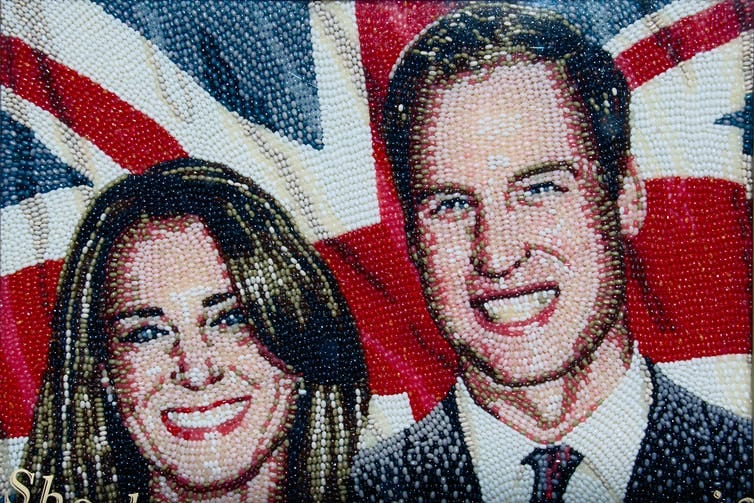
Your ancient Greek-Latin binomial for the day is hyperemesis gravidarium. HG for short. It’s a particularly extreme form of pregnancy sickness (or morning sickness). Brought to you today by Catherine, The Duchess of Cambridge, who was hospitalized yesterday with the condition.

Pregnancy sickness, and HG in particular, illustrate the complete absence of intelligent design in nature. It’s the kind of condition that even a vengeful and misogynistic deity would have trouble conceiving. HG, as you have probably read a dozen times today already causes severe vomiting and an inability to eat or take in fluids. As a result, dehydration, weight loss and their metabolic consequences can become life-threatening.

Before the advent of intravenous rehydration, an appreciable number of women with HG died. The most famous casualty until now: author Charlotte Brontë who died in 1855, four months pregnant after severe HG left her unable to take on food or water.

I am sure the former Kate Middleton is in capable hands at London’s King Edward VII Hospital, and I do hope she and the several million other women suffering from HG right now make as rapid a recovery as possible. As we are due to endure incessant Royal baby chatter and HG sympathy over the coming months, I thought I’d sneak in quickly with an important lesson that HG and pregnancy sickness illustrates about evolution.

One might expect something as awful but common as morning sickness to have a damned good adaptive explanation. In fact, while many explanations have been put forward, the obvious ethical difficulty in doing experimental tests makes it hard to separate the good ideas from the bad.

Morning sickness has long been explained as a way for mothers to avoid food poisoning that can devastate a growing fetus. If a woman is too nauseous to eat, and if the most dangerous foods revolt her, then she limits her chances of picking up dangerous bacteria like which cause food poisoning.

But pregnancy sickness might also be a manifestation of a simmering gestational battle between mother and fetus. Pregnancy takes a huge toll on a mother and uses up a large chunk of a mother’s reproductive lifespan. Given these costs, if a mother’s body detects signs that a fetus has little chance of thriving, her body will often spontaneously miscarry that fetus.

This rather ruthless piece of physiology happens well beneath a mother’s conscious awareness, often before the mother has any inkling she is pregnant. But it has evolved because it gives the mother a chance to get pregnant again soon with a fetus that has better prospects of thriving.

While a pregnant woman has an evolutionary interest in spontaneously aborting any fetus with poor prospects of growing into a healthy adult, the miscarried fetus loses everything. And so embryos and fetuses do all they can to avoid being miscarried.

Primate embryos long ago evolved the capacity to make Human Chorionic Gonadotrophin (hCG), a hormone that mimics the hormone mammalian mothers use to control pregnancy. The placenta — which is more a part of the fetus than it is a part of the mother — secretes hCG into the mother’s blood as a signal that the fetus is thriving and healthy. The more hCG, the less likely the mother’s body is to spontaneously abort the pregnancy.

So hCG can be thought of as a tool embryos and fetuses have evolved to manipulate their mothers into not aborting them. The genes a father passes to a fetus have everything to lose and nothing to gain if the mother miscarries. By this logic, it should be no surprise that paternal genes drive hCG signaling in the placenta. Dad’s genes are involved in begging mum not to miscarry the fetus.

But high levels of hCG also cause severe pregnancy sickness. If there is an upside to pregnancy sickness it is that healthy fetuses produce plenty of hCG, making them less vulnerable to spontaneous miscarriage. Twins also secrete more hCG, making mothers carrying twins more susceptible to pregnancy sickness and HG.

Which is why speculation that Kate is carrying twins has proliferated. But only 9% of women with HG — as opposed to 3% of women without it — bear twins. That makes the 16 to 1 odds on offer at Paddypower — firming from 28 to 1 overnight — for a royal pair of twins a tempting proposition.

Originally published at https://theconversation.com on December 4, 2012.

Pregnancy
Health
Evolution
Science
Wellbeing
Recommended from ReadMedium