
The Price of Convenience
Unravelling the True Cost of Uber Eats
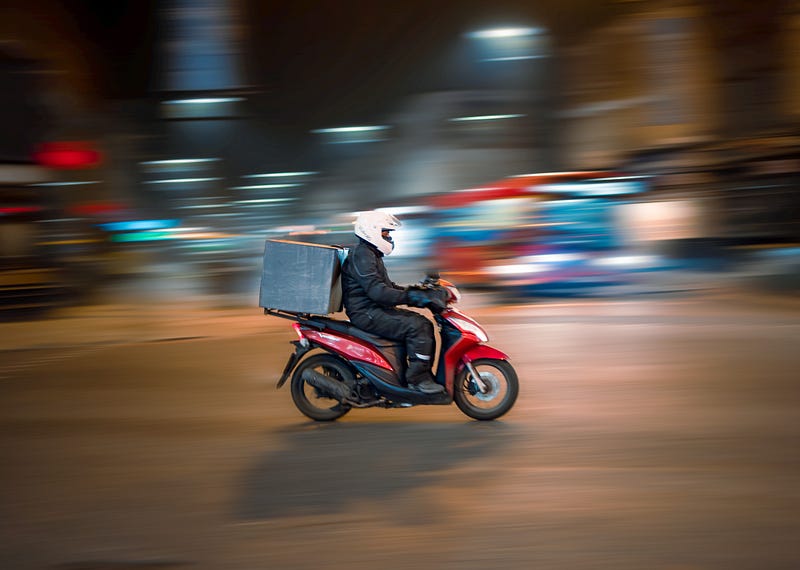
In the era of instant gratification and on-demand services, the convenience of having your favourite meal delivered right to your doorstep is undoubtedly tempting. The advent of food delivery platforms like Uber Eats has revolutionized the way we satisfy our culinary cravings. However, as we revel in the ease of tapping our way to a delivered feast, it's crucial to dissect the actual cost of this modern convenience.
Uber Eats, the vanguard of the food delivery industry, has undeniably transformed the dining landscape. Yet, behind the sleek interface and the promise of gastronomic satisfaction lies a web of fees that, like a stealthy pickpocket, silently siphons off our hard-earned dollars. The convenience we so eagerly embrace comes at a material premium — a fact that demands closer scrutiny.
First and foremost, the delivery fee is an upfront charge for the luxury of having your meal brought to your doorstep. This fee alone is enough to make one pause and question the wisdom of the delivery option. However, you can typically sign up for a subscription instead of delivery fees. Add to this the service fee, another layer of expense cunningly woven into the transaction. But the hidden culprit, lurking in the shadows, is the impact on the prices set by the restaurants we patronize.
Consider, for instance, the humble fish and chips from a local shop. A palatable $18 on the Uber Eats menu, it promises a hassle-free, greasy gourmet experience. Yet, venture to the shop itself, and lo and behold, the same gastronomic delight is priced at a mere $12. The price differential is staggering, and the question naturally arises: what forces are at play to justify this substantial markup?
The answer lies in the commission that Uber Eats extracts from the restaurants. While the platform claims a commission fee for the services rendered, the economic ripple effect extends beyond a mere transactional cut. In the case of our fish and chips example, the local shop, burdened by the commission, has been forced to inflate the price of its offerings by 50%.
The ramifications of this upward price adjustment are manifold. Not only does it strain consumers' pockets, but it also places local businesses in a precarious position. The very establishments that Uber Eats claims to support are caught in a paradox — relying on the platform for increased visibility but forced to pass on the burden to their customers.
In the pursuit of convenience, are we inadvertently sacrificing the charm of local eateries on the altar of corporate profitability? The affordability and accessibility that once defined neighbourhood favourites are gradually eroding, giving way to a model where the ease of app-based ordering comes at an inflated cost.
As consumers, we must weigh the allure of convenience against the tangible financial implications. The onus is on us to decide whether the luxury of having meals delivered to our doorstep justifies the exorbitant premiums extracted by Uber Eats. In this era of unparalleled convenience, it is time to reconsider our priorities and preserve the economic vitality of our local dining establishments. After all, the actual cost of convenience should never be at the expense of the communities we call home.
Until next time.
Thank you for reading! If you enjoy my writing, it will help me to follow and subscribe so I can keep contributing engaging content.
Subscribe Here For an Email Reminder of my next post.
Thanks for reading
- 👏 Please clap for the story (50 claps) to help the article to be spread
- 🌐 Share the story on Social Media
- 📝 Join the Medium Membership Program for only 5$ a month, and support other writers and me to keep up the tremendous work.


