
The pressure of coming out as a queer Muslim
Coming out as queer to my Muslim family was never a thing I even dreamed possible. I’ve been living a quasi secret queer life away from them for a while.
As a non binary polyamorous pansexual political Muslim activist and drag performer, that throws kinky sex parties, I’m not what you would consider “traditional Muslim” (a phrase I hate but that’s for another day). I’ve always feared very deeply what would happen to me if I came out – how much I would lose of my family, of my self, of my community, of my life. The idea of coming out as a QTIPOC to my Muslim family has always been surrounded by loss.
A few years ago in Pakistan, a distant uncle of mine came out. He was in his 60s, and I can’t even begin to imagine the strength it must have taken him to do what he did, to be so completely honest. From the hushed, mocking, incredulous conversations of my other aunts and uncles, I understood that he had separated from his wife, asked his ex-wife and his adult children (in their 30s and 40s) to leave the house they all lived in – all because he had fallen in love with one of the servants. He and his new, young partner were now living in this grand home together. It was shocking and for the first time ever, brought the conversation about being gay into the home.
About a week or so later, I learned that they had him institutionalised, claiming that he was going “insane”. About a month later, I discovered he had died in that institution. All my aunts and uncles commented on how sad it was.
I didn’t know him at all, but whether he knew it or not, we had a kinship that went beyond the family we were unlucky to be born in. I wept in private, thinking about him, I spent hours wondering what happened to the young man he loved so fiercely that he destroyed every convention, every false moral code, every expectation. I wondered what their relationship must have been like for those few weeks before my uncle was taken away. Was it the utopian fantasy that they had always dreamed of? Was it worth it?
He became a symbol for why I was never going to come out. I didn’t have the privileges of a cis man to protect me. My case was always going to be worse than his, because as an AFAB body, I was responsible for any shame I would bring upon my family. I have paid for that shame in being emotionally abused, in being manipulated and tricked out of the country (i.e. essentially being kidnapped) for a forced marriage, in being beaten, and in being restricted and controlled.
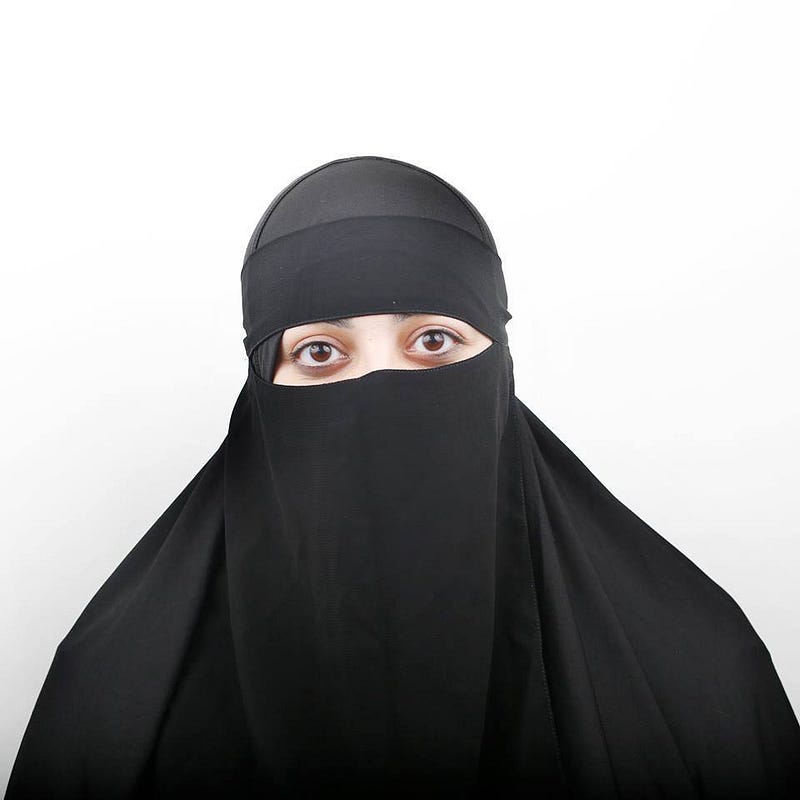
And I was still one of the lucky ones. I got to go to school and then to university. I had shelter. I had some freedom. I didn’t have to wear a burqa or a headscarf. And eventually I found my way away from my fundamentalist family. It was a very hard won freedom, that I have to fight for every day. It’s a freedom that hangs precariously, so fragile that the wrong sentence to the wrong person might make it crumble. It’s a freedom that few are afforded.
How can I risk that immense privilege to come out? I’ve always believed that coming out is a western construct – only those who are privileged enough can be able to “live their truth”. It’s not something that’s available to all of us.
So when an opportunity arrived this morning, and I could invite a member of my family with more liberal leanings to learn about who I really am, I felt this immense weight lifting off my shoulders. I imagine that same rush my uncle might have felt when he started seriously considering that, yes he might actually do this! I imagined what it would be like to never have to lie to anyone about yourself, fabricate intricate lives and memories that don’t exist, just so you can survive. I imagined that I could live the rest of my life, even more free. It was like a drug, I was completely and overwhelmingly intoxicated by the idea.
But I did something that I’m sure my uncle never would have had the opportunity to – I spoke to my friends in my community to ask their thoughts, and to talk through my own thoughts. What transpired was a really useful exercise that I had never considered about coming out. I asked myself:
Why are you coming out?
In this case, I wanted to come out because I was tired of lying. I had let my exhaustion on maintaining my facade supersede my safety. I had. unconsciously decided that coming out was worth the risk to my life.
As I chatted through my thoughts my friend asked me whether the person I was coming to was going to be an ally, and what kind of allyship and support I might need from him. And I realised in that moment, that it’s not worth it. I saw no realistic allyship from him or the rest of my family. I was only thinking about coming out, not what was going to happen after.
Those three weeks of fantasy, as wonderful as they might have been, as worth it as they might have been to him – they aren’t to me. I would rather live a whole secret queer life, than three weeks of fantastical honesty.
Coming out is complicated, and no one should be pressured into doing it. Our white, cis, homonormative culture creates this pressure. It idolises coming out as a rite of passage, romanticised as a trauma bond, or feel good inspiration. We all desire to participate in it, because maybe if you haven’t come out, you’re just not gay enough. Or that you are ashamed of your queerness.
Neither of those things are true. I am queer enough. I am not ashamed. And I do not need to come out.