The Practice Of Negative Visualization
Visualize the worst case scenario.

I was surprised when I first heard the term ‘Negative Visualization.’ I have been practicing creative visualizations with little success over the last couple of years. I can’t entirely blame the concept, though. It’s not fair to expect a spiritual technique to work for my gambling aspirations.
Jokes apart, the objective of this article is to write about the opposite form of visualization, i.e., Negative Visualization.
What is Negative Visualization?
Negative visualization or futurorum malorum præmeditation is a technique of visualizing the worst-case scenario. It sounds skeptical, but the stoic heroes must have seen something in it to write about it so extensively.
Visualizing the worst-case scenario gives a reality check and prepares us for what lies ahead. I am not as visionary as the stoic heroes, but I see two advantages from a personal standpoint.
- We get to know things in our control versus those that are not.
- We get a reminder of the gifts we have. It keeps us grounded and teaches us the art of being thankful.
What’s in your immediate control?
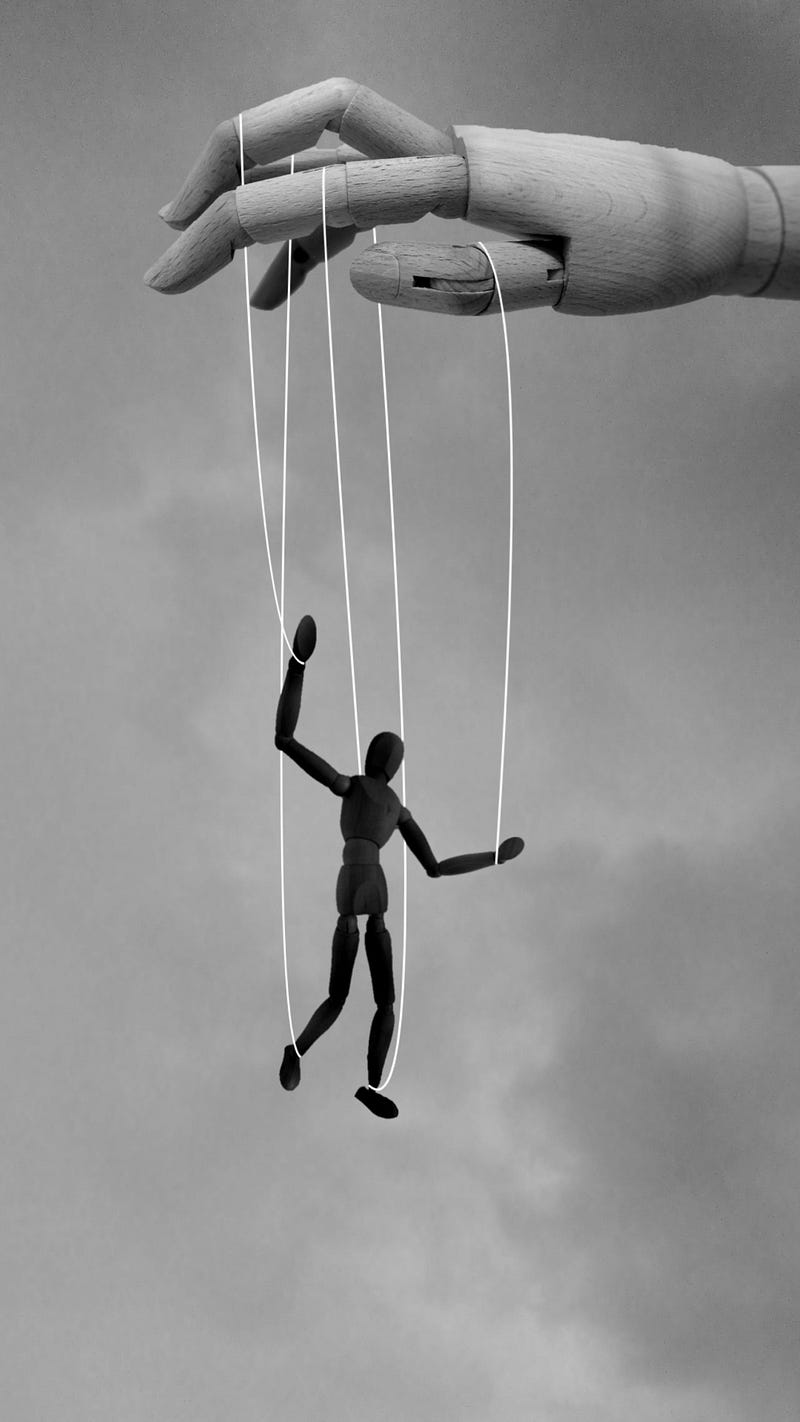
Visualizing the worst-case scenario is a double-edged sword. A carefree approach to always think about the worst-case scenario could make us highly anxious.
Bad things do happen, but they are not bound to happen.
The first step is to identify things in our control. The easiest way to do this is to write down worst-case scenarios for a problem and highlight what you can work on in the next 15 days. Anything outside the scope of the next 15 days is out of our control and does not deserve our focus.
A Hypothetical Scenario
John works for a software company known as ABC. ABC is going through a challenging financial phase and is laying off many employees. John is anxious. How can he use negative visualization to handle the situation?
John needs to ask himself — What is the worst-case scenario?
John loses his job and can’t find a new job as the market is terrible. He is too old for a career switch, and his financials does not allow him to start a business. He can’t pay off the mortgage and loses his house to the bank. His marriage has been on the rocks for years, and his financial state became the reason for divorce. In the end, John sees himself lonely and depressed.
All of this can come true, but it’s not bound to come true.
The only thing John can do in the next 15 days is developing a strategy to find a new source of income while he is still at ABC. It will include finding work opportunities in ABC and outside. Some research on new career development courses or certifications can provide a lift to his resume.
Find Help?
The only thing John can control is his approach to finding a new income source. The next step is to identify resources that will help him do this.
John’s friend works for a registered training office that provides subsidized courses for the vulnerable looking for a career switch.
John’s children stay in the same city. John and his wife are very close to their kids, and they have a respectful relationship with them. John and his wife can move in with them and put the house on rent to cover mortgage payments.
John’s wife works as a manager in the local supermarket, and he heard her talking about an opening in the store to cover for weekend shifts. John can apply for this job, and it will go a long way if he gets fired from ABC.
Gratitude

Once we focus only on things we can control, we learn to appreciate our gifts. The universe plants various resources around us to fight through our challenges. We get so engrossed in the rat race that we forget to enjoy them. Negative visualization is one of the ways to look back at the gifts we have.
John was anxious due to his work issues but was ignorant of his gifts. He has dependable and resourceful friends and enjoys a healthy relationship with kids.
The job situation was also a perfect opportunity to work on his marriage. He had been married for over 20 years. Every wedding has its ups and downs and compatibility issues crop up with time. The job setback could be the perfect opportunity to deal with the family issues, and the whole family can work together to help John out of this problem.
Conclusion
Every setback has a purpose. From personal experience, a setback is placed explicitly in our lives to look back at our gifts. In our efforts to conquer the world, we forget to enjoy precious moments with people we meet along the way. We fail to appreciate things we get for free. Only a blind can understand the gift of eyes.
The next time you meet a setback, look around. There will be a lot of hands looking to support you. They have been there all this while; you need to open your eyes. That’s it.
Happy visualization
Thanks
Tarun
P.S — Medium is an excellent platform to read, write and learn from fellow authors. If you want to join this journey, Join medium today.