
The Power of Reciprocation.
Reciprocation is defined as the act of feeling or behaving towards someone else in the same way as they feel or behave towards you. We have all done this before, given something, the other person took it and then they have given something back to us, we call this favours. I used to do this at birthday parties as a kid, people would ask me what I want, I would say nothing and give them something in return but I would drop a little hint about what I wanted.
Let us say I wanted a Nerf gun, I would never directly tell my uncle or aunt about the toy, I would just mention it casually in a conversation whilst giving them a cup of tea or coffee, I would listen to their grievances, which I could hardly understand, and at my birthday party, nine times out of ten I would get what I wanted.
After a while I was curious as to why this happened, I mean a Nerf gun is expensive but I always got what I wanted. Here is why.
Give, Take and Take a little More.
I picked up the book Influence by Robert Cialdini and he explains this concept of giving, taking and taking some more. It has happened to all of us, the cute little boy or girl walks up and gives you a cookie, you take it and he asks for two dollars. If you ask me that is an overpriced cookie, I mean the kid probably did not make the cookie but we still paid for it. Why do we do this?
Simply because we are obliged to. Cialdini mentions how the term “much obliged” is a synonym for “thank you.” You see when I listened to my aunt moan about her husband or when I gave her a cup of tea, she would feel obliged to give me the toy that I had mentioned during our conversation.
The beauty is that this happens everywhere. I was the cool nerd in school, I used to help the dumb kids who were perceived as cool during tests and so to return the favour I would get invited to parties. During the first three years of high school, I had designed a network of favours simply by agreeing to help a guy by allowing him to copy me. Even in sports, this would regularly happen, there would be the one teammate that was always late for training, and was not very good at sports but would always have a place in the team, why? He was friends with the captain because he had given him something, his place in the team was built on reciprocation.
Many organisations do this in the form of free samples, which are not free at all. You go shopping and see that a famous soft-drink company is offering a free sample of their brand new cola, you go and taste it and whether or not you like it, you may feel obliged to buy a few cans of the cola. Cialdini writes in his book about the Disabled American Veterans organization mailing a donation package. A package sent with a gift would receive a donation thirty-five per cent of the time, compared to an ordinary package that would have a response rate of only eighteen per cent.
How to Use This in Your Life.
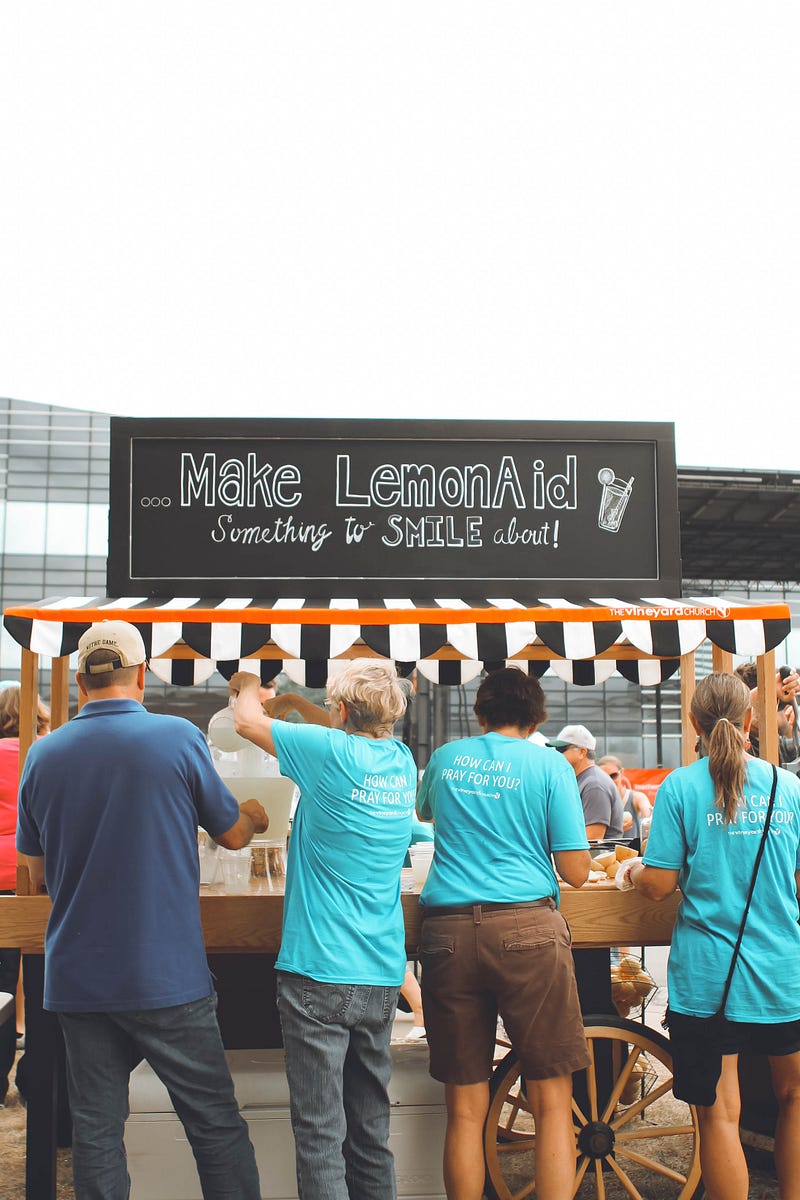
It is not that hard, Cialdini mentions a concession method in his book. Allow me to give you a personal anecdote to explain this method. In my neighbourhood, this boy was offering lemonade and soft drinks, he wanted people to drink the lemonade he had made, so what he would do is overprice the soft drinks and so as a “concession” I would buy the lemonade. Pretty smart tactic if you ask me. You can use a similar method in your life, do not overhype your requests, place your requests skillfully, go from larger requests to smaller requests.
Many people already know of this rule and they may use it against you. In cases like these if I like what they are selling then I am alright to buy but if I do not like what they are selling the best method is to say no.
How to Say No.
You may have a difficult time saying no. There are two ways to go about this. The first is pretty easy, it is setting your boundaries and just saying no. The downside of this is you may come off sounding rude and insensitive.
There is another way to counteract this, simply redefine the person’s intentions. A person coming in for a fire inspection more often than not will want to sell a fire alarm to you, but if you take it at face value and view it as an inspection after which you send the spokesperson on his way, you will not feel so bad.
Conclusion
Society is built on favours and feelings of obligation, there is nothing wrong with that, but, we must use this to our advantage. Helping another person is a good deed, so don’t shy away from random acts of kindness either.
