
🌿 THE POWER OF PLANTS 🌿
Written By: Zach Champ
Originally published on www.americangypsyherbalist.com, Reprinted with permission on Medium.com

The spirit of plants is their medicine. This is the ancient teaching of the indigenous peoples and their plant teachers, who for centuries have revealed and shown themselves to mankind, allowing for us to embrace these plants and their uses for healing the mind, body, and soul. Ethnobotany, the study of different cultures uses of different plants, has revealed that all human cultures around the world have a tradition of using plants for both food and medicine, as well as other applications. Plants all over the world are used in similar ways to treat similar illnesses and maladies, to feed people, as a fuel source, and to create.
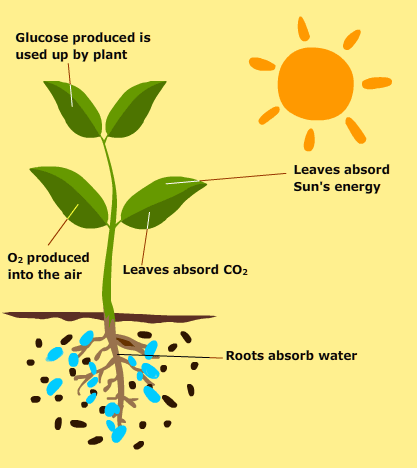
Plant’s most important role in nature is that they provide the oxygen we need to breathe, by converting carbon dioxide through a process called photosynthesis. This process relies on energy captured from light to create chemical energy within the plant. The plant captures the light and converts it into this energy with the aid of pigment cells called chlorophyll found in the leaves, stems, and sometimes flowers. The way chlorophyll refracts light makes the pigment appear green. Oxygen is released as the byproduct of this energy conversion, while carbon dioxide is the fuel for the process. It is because of plants that we have our breathable atmosphere. As a consequence, large forests such as the Amazon rain forest contribute to a large percentage of the world’s carbon-fixation and oxygen production cycle. When giant forests such as these, which have existed for tens of thousands of years, are decreased in size, this lowers the potential ability and percentage of these forests in the carbon-fixation and oxygen production process.
Forest and other ecosystems with large plant communities are important not just because they contribute a large share of oxygen to the atmosphere, but they also provide biodiversity. Biodiversity is defined as the representation of various different types of living things within a given area. When thinking about biodiversity, probably the most comparable concept is that of profitability in business and economics! Biodiversity yields more- more food, more medicine, more potential. Ecosystems with larger rates of biodiversity are the sustaining havens of life on the planet. Without them there is nothing. It is because we have such an abundant assortment of useful plants (and animals!) surrounding us in the wild that we humans have been able to create such an advanced society and lifestyle.
A plant’s spirit is defined by the chemical constituents within the plant. Plants produce an astonishing array of biochemical’s ranging from the cellulose that forms the woody material of plants, to the chlorophyll that makes leaves green and which are an essential and integral part of the photosynthesis process. Even more spectacular are the alkaloids that plants produce, a large and diverse class of biochemical’s that a plant will create for any variety of reasons including self-defense and reproduction. It is in the alkaloids that we find the compounds that often make a plant stimulating, depressing, narcotic, hallucinogenic, tonic, diuretic, vasoconstricting, and so forth. Many pharmaceutical groups that research plants look into these specific compounds to derive their man-made drugs which eventually become prescribed, either creating a synthetic analog or artificially synthesizing the natural compound desired.
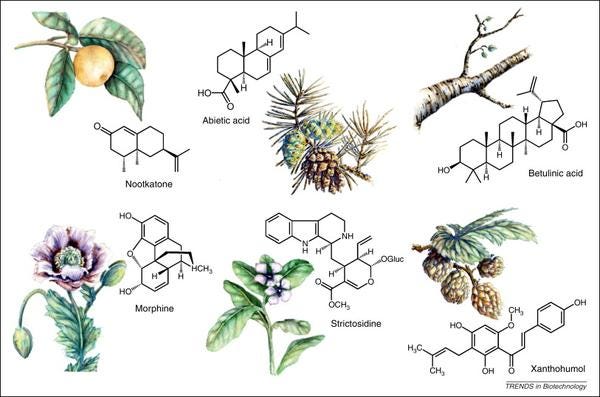
It is through the delicate connection of life, for which with we are all entwined, that allows for these properties of plants to manifest. Plants heal and nourish in many ways. Consider, for instance, the variety of plants for which we are dependent on as cash crops and food staples: corn, potatoes, wheat, barley, rye, rice, and other fruits and vegetables. Know that aspirin comes from the bark of a willow tree. Even go further and consider other plant byproducts such as rubber and natural oils. Hemp, made from cannabis, is one of the world’s strongest and most durable fibers. Speaking of cannabis, we also know it brings bliss and happiness through its inebriating alkaloids! Less known, and even more taboo is that plants even help the soul take flight, such as with the visionary and powerful plants in the Ayahuasca brews, and the mystical Peyote cactus of the southwest US.
Plants are perhaps the most powerful natural resource we possess, but this capacity is little understood or appreciated!


