
The Power of Peer-to-Peer Learning in Challenging Times
How the Next Generation Is Shaping a Brighter Future Through Collaborative Learning
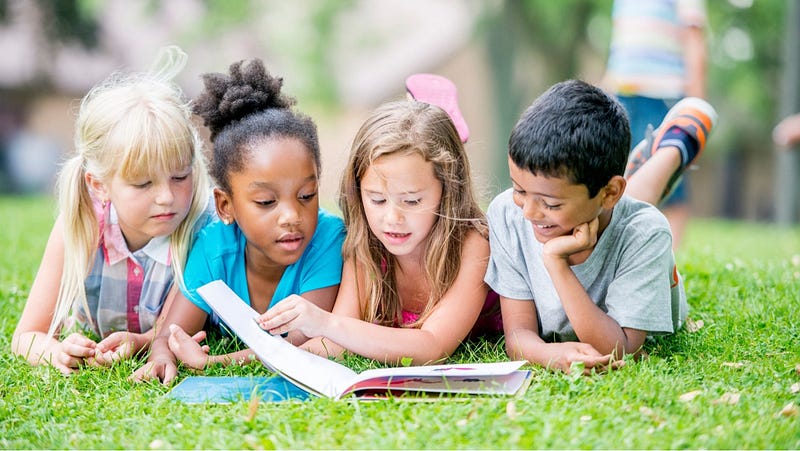
As a mother of two, with a daughter at the cusp of adulthood and a young son growing up in an era marked by uncertainty, I am constantly amazed by my children’s capacity for understanding and compassion. My daughter’s discussions with her peers often revolve around the pressing issues of our time, be it climate change, economic disparities, or the ongoing conflicts that rattle our world. These are young minds actively engaging in dialogues that many adults shy away from.
In these moments, I am struck by the power of peer-to-peer learning today. Unlike traditional educational models, where knowledge flows from older generations to younger ones, this form of learning thrives on mutual exchange. It’s a dynamic process, one that values the experiences and insights of each participant, regardless of age. This method of learning is particularly pertinent in today’s world, where traditional solutions often fall short in the face of novel challenges.
The issue of climate change is a good example of this — a topic that frequently surfaces in my daughter’s discussions. This generation is inheriting a planet in peril, and they’re acutely aware of it. But rather than succumbing to despair, they’re using their collective knowledge to explore innovative solutions. They discuss carbon footprint reduction, sustainable living, and the potential of renewable energies, not as abstract concepts, but as practical, achievable goals.
This approach to learning and problem-solving is fundamentally different from how many of us were educated. It’s collaborative, not competitive; holistic, not segmented. It respects and harnesses the diverse experiences and backgrounds of each learner. In this environment, my daughter and her peers are not just preparing for the future; they’re actively shaping it.
But this style of learning extends beyond environmental issues to. Economic inequality, another pressing concern, frequently crops up in their conversations. They grapple with the complexities of global wealth distribution, the impact of socioeconomic backgrounds on education and opportunities, and the role of policy in shaping fairer societies. These discussions reflect a deep-seated desire to understand and address the inequalities that plague our world.
The beauty of peer-to-peer learning lies in its ability to foster empathy and understanding. As my daughter interacts with her friends, she’s exposed to a multitude of perspectives. She learns to listen, to challenge her assumptions, and to appreciate the nuances of complex issues. These are invaluable skills in a world where polarised views often dominate and where the ability to understand multiple sides of an issue is important for finding common ground.
In a world where information is abundant but often fragmented and biased, guiding young learners to find credible sources and develop critical thinking skills is paramount, however. As parents, our role is to support and facilitate this process, to encourage curiosity, and to provide the tools and guidance necessary to navigate this vast sea of information.
And in a world increasingly dominated by technology, finding the right balance between digital and real-world interactions is critical. While online platforms can enhance learning by connecting learners from across the globe, they cannot fully replace the richness of face-to-face interactions. Encouraging physical meetups, group projects, and community involvement can provide a more holistic learning experience.
As I reflect on my daughter’s journey, I am filled with a sense of optimism. Through peer-to-peer learning, she and her friends are not just preparing for the challenges of tomorrow; they are actively developing the skills, knowledge, and empathy needed to tackle them. They are learning to collaborate, to think critically, and to approach problems with creativity and compassion.
In these uncertain times, it’s easy to feel overwhelmed by the magnitude of the challenges we face. But when I listen to my daughter and her peers, I am reminded that hope lies in the next generation. They are not waiting for solutions to be handed down to them; they are actively seeking, learning, and creating them. As a parent, there is nothing more inspiring than witnessing the birth of a new era of problem-solvers, change-makers, and compassionate leaders.